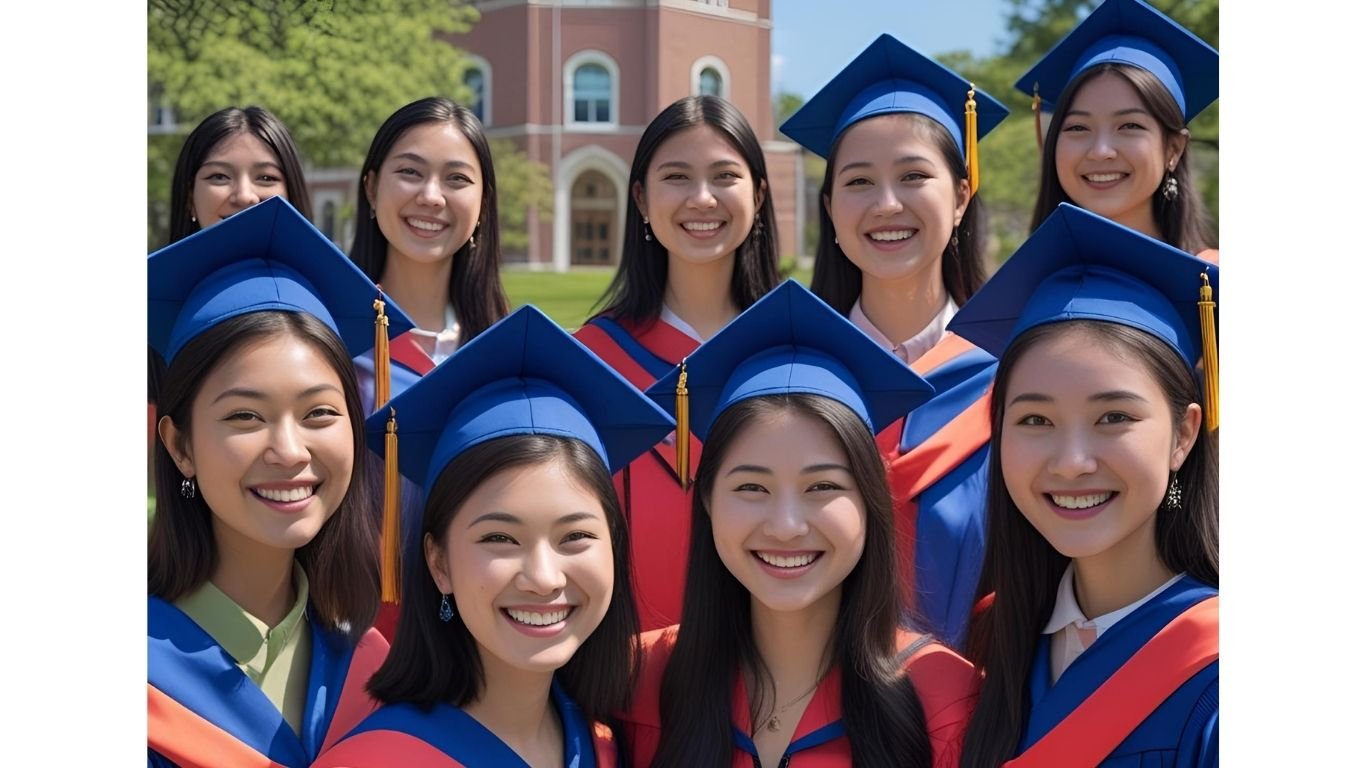
University of Pretoria Mastercard Scholarship 2026-27 in Africa (Fully Funded). Apply for fully funded scholarships here. The University of Pretoria Mastercard Foundation Scholarship 2026-27 represents one of Africa’s most prestigious fully funded scholarship opportunities designed specifically to empower talented young Africans through comprehensive financial support, study visa sponsorship, and holistic development programming that prepares scholars for leadership roles across the continent. This transformative program targets academically excellent international students from economically disadvantaged backgrounds across Africa who demonstrate exceptional leadership potential and commitment to giving back to their communities after graduation.
The scholarship eliminates all financial barriers to accessing world-class higher education at one of Africa’s top-ranked universities while providing mentorship, internship opportunities, and an immigration pathway that facilitates seamless transition from home countries to South Africa for degree completion. Scholars receive not just tuition coverage but complete wraparound support addressing academic, social, financial, and professional development needs throughout their university journey and beyond graduation.
SDG Academy Free Online Courses from United Nations
University of Pretoria Mastercard Scholarship 2026 Details:
| University: | University of Pretoria |
| Degree level: | Masters Degree |
| Scholarship coverage: | Fully Funded |
| Eligible nationality: | Africans |
| Award country: | South Africa |
| Last date: | 31 August 2026 |
| Field | Details |
| Scholarship Name | University of Pretoria Mastercard Foundation Scholarship 2026-27 |
| Host Country | South Africa |
| Eligible Nationalities | All African countries excluding South African citizens |
| Study Level | Undergraduate Bachelor’s Degree programs |
| Scholarship Type | Full merit and need-based with leadership component |
| Funding Coverage | 100% tuition, accommodation, living costs, travel, health insurance |
| Application Deadline | Typically July-August annually for following year admission |
| Official Website Link | www.up.ac.za/mastercard-foundation-scholars-program |
Complete Financial Benefits and Cost Breakdown
The Mastercard Foundation Scholarship provides exceptionally comprehensive financial coverage addressing every expense international students encounter during university studies in South Africa, making it among the continent’s most generous undergraduate funding packages. This complete financial support ensures that scholars from resource-constrained backgrounds can focus entirely on academic excellence, leadership development, and community engagement without the constant financial stress that undermines educational success for many talented African youth. The program recognizes that true access to education requires more than just tuition coverage and deliberately addresses the full cost of attendance including living expenses, travel, health insurance, and academic materials that create hidden barriers even when tuition is waived. Unlike partial scholarships requiring family contributions that disadvantaged students cannot provide, this fully funded model genuinely levels the playing field allowing exceptional talent to flourish regardless of economic circumstances, representing a viable education loan alternative and comprehensive financial aid for international students that eliminates traditional student finance burdens.
Simmons University Kotzen Scholarship in USA (Fully Funded)
| Benefit | Amount or Details |
| Full Tuition Fee Waiver | Complete coverage of all academic fees for duration of degree (3-5 years) |
| Monthly Living Stipend | Approximately R4,500-5,500 monthly for personal expenses and meals |
| University Accommodation | On-campus residence fully covered for entire study period |
| Annual Return Airfare | One return ticket per year to home country during breaks |
| Health and Medical Insurance | Comprehensive medical coverage for duration of studies |
| Research or Book Allowance | Annual allowance for textbooks, supplies, and academic materials |
| Visa Fee Reimbursement | Study permit application fees and related costs covered |
| Family Allowance if Applicable | Not applicable for undergraduate scholarship program |
Students who do not receive the Mastercard Foundation Scholarship but gain admission to University of Pretoria or other South African universities can explore international student loans from specialized lenders, education financing from banks in their home countries that offer study abroad programs, and partial scholarship combinations by stacking institutional aid with external funding sources to make education affordable. Many African students successfully combine smaller scholarships from home country organizations, corporate sponsors, religious institutions, and community foundations with university bursaries and part-time work allowances to cover costs not addressed by single funding sources.
Why You Need an Immigration Consultant or Education Advisor
Working with a qualified immigration consultant or certified education advisor dramatically improves application success rates and visa approval chances because these professionals understand the intricate requirements, documentation standards, and strategic positioning that separate successful applicants from rejected ones in highly competitive scholarship and visa processes. Experienced immigration lawyers specializing in South African study permits provide invaluable assistance with visa rejection appeals if your initial application encounters problems, comprehensive document verification ensuring all materials meet Home Affairs standards before submission, and PR pathway planning that positions your education strategically for eventual permanent residence applications after graduation if you wish to remain in South Africa long-term.
Many African students hire student visa consultants specifically to navigate the complex South African immigration system and avoid the costly mistakes that result in visa denials, scholarship application errors, or missed opportunities due to unfamiliarity with documentation requirements and procedural expectations that differ significantly from home country norms.
An international student recruitment agency can provide comprehensive support with university shortlisting based on your academic profile and career goals, application submission including essay review and supporting document preparation, and visa filing that ensures all materials align perfectly with both scholarship requirements and South African immigration regulations. This professional guidance proves particularly valuable for students from countries with limited previous participation in South African higher education or those navigating complex situations like gaps in education, previous visa issues, or financial documentation challenges requiring expert handling and strategic presentation.
The investment in professional consulting typically costs between five hundred and three thousand US dollars depending on service comprehensiveness, but this expense often prevents far more costly mistakes and positions applications optimally for success in processes where second chances rarely exist.
Judicial Fellowship Program in USA (Fully Funded)
Available Study Programs for International Students
The University of Pretoria offers extensive academic programs across nine faculties spanning sciences, humanities, health sciences, engineering, law, education, theology, veterinary science, and economic and management sciences that welcome international students and provide pathways to diverse careers across Africa and globally. The Mastercard Foundation Scholarship supports scholars in any undergraduate degree program offered by the university provided students meet academic requirements and demonstrate alignment between their chosen field and commitment to African development and community transformation.
Program selection should balance personal interests and aptitudes with realistic assessment of career prospects, salary potential, and contribution opportunities in home countries or broader African context where many scholars eventually apply their education. Understanding job market demand and earning potential across fields helps students make informed decisions about academic paths that lead to sustainable careers supporting themselves and enabling the community contribution that scholarship selection criteria emphasize.
Birmingham University Free Online Courses with Certificates
Computer Science and Artificial Intelligence
The Computer Science program at University of Pretoria provides rigorous training in programming, algorithms, software engineering, cybersecurity, artificial intelligence, and machine learning that prepare graduates for technology careers across Africa’s rapidly digitalizing economies. Students gain practical experience through projects, internships with South African technology companies, and research opportunities in cutting-edge areas like AI applications for African contexts and mobile technology for development.
Technology professionals in South Africa and across Africa command strong salaries with software developers earning between R180,000 and R450,000 annually at entry to mid-career levels, and job demand continues growing rapidly as digital transformation accelerates across all economic sectors creating opportunities for skilled technologists who understand African market contexts.
Medicine and Healthcare
Medical and health sciences programs including medicine, nursing, pharmacy, physiotherapy, and public health prepare students for careers addressing Africa’s substantial healthcare challenges and contributing to improved health outcomes across underserved populations. The rigorous curriculum combines biomedical sciences, clinical training, and public health perspectives while University of Pretoria’s academic hospitals provide exceptional training environments. Healthcare professionals earn strong salaries with doctors commanding R400,000 to R1,200,000 depending on specialization and experience, nurses earning R180,000 to R450,000, and pharmacists R300,000 to R550,000, while job demand remains consistently high given healthcare workforce shortages across Africa and opportunities to make profound impact on community health and wellbeing.
Tsinghua University Schwarzman Scholarship in China (Fully Funded)
Business Administration and MBA
Undergraduate business programs covering accounting, finance, marketing, human resources, and general management prepare students for corporate careers, entrepreneurship, or eventual graduate business education leading to leadership positions across sectors. The curriculum combines business fundamentals with African market context, ethical business practices, and sustainable development perspectives aligned with Mastercard Foundation values. Business graduates earn starting salaries between R180,000 and R350,000 with experienced managers reaching R500,000 to R900,000, and business skills transfer across industries providing career flexibility and entrepreneurship foundations for those seeking to build ventures addressing African development challenges.
Civil and Mechanical Engineering
Engineering programs provide technical education in civil, mechanical, electrical, chemical, and industrial engineering addressing Africa’s massive infrastructure development needs and industrial growth opportunities. The comprehensive curriculum combines theoretical foundations with practical applications and design projects preparing graduates for consulting firms, construction companies, government agencies, or manufacturing industries. Engineers earn excellent salaries with entry-level positions starting at R250,000 to R350,000 and experienced engineers reaching R500,000 to R850,000, while infrastructure development across Africa creates strong demand for qualified engineers who can design, build, and maintain the roads, bridges, water systems, energy infrastructure, and industrial facilities essential for economic development.
Law and International Relations
Law and international relations programs prepare students for legal careers, diplomacy, international organizations, policy analysis, and advocacy work addressing governance, human rights, and international cooperation challenges across Africa. Students study legal systems, international law, political science, diplomacy, and African regional integration while developing analytical, research, and advocacy skills applicable across diverse career paths. Lawyers in South Africa earn between R200,000 and R850,000 depending on experience and practice area, while international relations professionals earn R180,000 to R500,000 in government, international organizations, and NGOs, with careers offering opportunities to shape policies and institutions that determine Africa’s development trajectory and global engagement.
Environmental Science and Sustainability
Environmental science programs address critical challenges of climate change, biodiversity loss, natural resource management, and sustainable development through interdisciplinary curriculum combining biology, ecology, chemistry, policy, and conservation management. Students engage in field research, conservation projects, and practical applications of environmental management principles to African contexts facing severe environmental pressures. Environmental scientists and sustainability professionals earn R200,000 to R500,000 working for government environmental agencies, conservation organizations, environmental consulting firms, and corporate sustainability departments, with growing demand as climate change impacts intensify and governments and businesses increasingly prioritize environmental responsibility and sustainability.
Data Science and Analytics
Data science programs combine statistics, computer science, machine learning, and domain knowledge to prepare analysts who can extract insights from complex data and inform decision-making across sectors from business to public health to governance. The curriculum emphasizes both technical skills and communication abilities to translate analytical findings into actionable recommendations for non-technical stakeholders. Data scientists in South Africa earn R300,000 to R700,000 with strong demand across industries as organizations increasingly recognize data-driven decision-making as competitive advantage, and skills transfer globally creating opportunities for international careers or entrepreneurship in data analytics consulting and technology ventures.
Education and Teaching
Education programs prepare future teachers, school leaders, curriculum specialists, and education policy professionals who will shape the next generation of African youth and contribute to education system improvement across the continent. The curriculum combines pedagogical theory, subject specialization, practical teaching experience, and understanding of education systems and policy with emphasis on inclusive, quality education aligned with sustainable development goals. Teachers in South Africa earn R180,000 to R450,000 depending on experience and position, while education system improvement offers opportunities for profound social impact given education’s central role in individual opportunity and national development, making teaching careers particularly meaningful for scholarship recipients committed to community transformation.
Architecture and Urban Planning
Architecture and urban planning programs prepare professionals to design buildings, urban spaces, and city systems that respond to Africa’s rapid urbanization while promoting sustainability, livability, and inclusive development. Students learn design principles, technical skills, planning frameworks, and sustainable development perspectives applicable to housing, commercial development, public spaces, and urban infrastructure challenges across African cities. Architects earn R200,000 to R600,000 while urban planners earn R220,000 to R480,000, with growing demand as African cities expand rapidly requiring professionals who can guide development toward sustainable, equitable, and livable urban environments rather than unplanned sprawl and informal settlements that characterize much current urbanization.
Economics and Finance
Economics and finance programs develop analytical skills, understanding of economic systems, financial markets, development economics, and policy analysis applicable to careers in banking, financial services, government economic agencies, international development institutions, and economic research organizations. Students study micro and macroeconomics, econometrics, financial analysis, and development economics with emphasis on African economic challenges and opportunities. Economists and financial analysts earn R250,000 to R650,000 with skills highly valued across sectors and opportunities to influence economic policies, financial system development, and resource allocation decisions that fundamentally shape economic outcomes and development progress across African nations.
Top Universities in South Africa for International Students
South Africa hosts the African continent’s strongest concentration of internationally ranked universities offering quality education across diverse disciplines while maintaining relatively affordable costs compared to European and North American institutions. University admission consultants help prospective students navigate the South African higher education landscape by identifying institutions and programs matching academic profiles and career goals while improving application quality through expert guidance on essay writing, document preparation, and strategic positioning that highlights strengths and addresses potential weaknesses effectively. Understanding the range of options beyond the most famous institutions helps students find universities where they will thrive academically, socially, and financially while building foundations for successful careers in South Africa, home countries, or international opportunities.
University of Pretoria, Pretoria
The University of Pretoria, ranked among Africa’s top ten universities and typically positioned between 300-400 globally, maintains an acceptance rate of approximately thirty to forty percent for international students making it moderately selective but accessible to well-qualified applicants. Annual tuition for international students ranges from R45,000 to R95,000 depending on program with additional living costs of approximately R80,000 to R120,000 annually, though the Mastercard Foundation Scholarship and other bursaries provide substantial funding reducing or eliminating costs for qualifying students. The university actively recruits international students and provides comprehensive support services facilitating successful integration into campus life and South African society.
University of Cape Town, Cape Town
The University of Cape Town consistently ranks as Africa’s top university and typically places between 150-250 globally across various ranking systems, maintaining highly selective admission with international acceptance rates around twenty to thirty percent for competitive programs. International student tuition ranges from R55,000 to R120,000 annually depending on field with medicine and engineering commanding premium fees, while living costs in Cape Town reach R100,000 to R150,000 given the city’s higher cost of living. The university offers various scholarships for international students though competition is intense, and the institution’s global reputation creates exceptional networking opportunities and career prospects for graduates.
University of the Witwatersrand, Johannesburg
The University of the Witwatersrand, commonly called Wits, ranks among Africa’s top five universities and places between 250-350 globally while maintaining acceptance rates around thirty-five to forty-five percent for international applicants across most programs. Annual tuition for international students ranges from R48,000 to R100,000 depending on program with Johannesburg living costs approximately R85,000 to R130,000 annually, and the university provides various scholarships and bursaries particularly for African students demonstrating academic merit and financial need. Wits’ location in South Africa’s economic hub provides excellent internship and employment opportunities particularly for business, engineering, and health sciences students.
Stellenbosch University, Stellenbosch
Stellenbosch University ranks among Africa’s top fifteen universities and typically places between 300-450 globally while maintaining a strong research focus and beautiful campus in the Western Cape wine region. International acceptance rates approximate thirty to forty percent with annual tuition between R45,000 and R90,000 depending on program and living costs around R75,000 to R110,000 given Stellenbosch’s smaller city character and lower cost of living than major metros. The university offers various international student bursaries particularly for African students and provides strong support for non-South African students adjusting to language requirements given instruction primarily in Afrikaans and English.
University of KwaZulu-Natal, Durban and Pietermaritzburg
The University of KwaZulu-Natal operates campuses in Durban and Pietermaritzburg ranking among Africa’s top twenty universities with particular strengths in health sciences, engineering, and humanities. International acceptance rates approximate forty to fifty percent with tuition ranging from R42,000 to R85,000 annually and living costs around R70,000 to R105,000 given KwaZulu-Natal’s generally affordable cost of living. The university actively recruits students from across Africa and provides targeted support for international students while scholarship availability includes both university-funded and external bursaries for qualifying candidates.
University of Johannesburg, Johannesburg
The University of Johannesburg, while younger than some peers, has grown rapidly in reputation and research output ranking among Africa’s top thirty universities with strong vocational and professional programs. Acceptance rates for international students approximate forty-five to fifty-five percent with annual tuition between R40,000 and R80,000 and Johannesburg living costs around R80,000 to R125,000, making total costs moderate compared to top-tier institutions. The university provides bursaries for academically strong students demonstrating financial need and benefits from Johannesburg’s economic opportunities providing internships and part-time work options for qualifying international students.
Rhodes University, Grahamstown (Makhanda)
Rhodes University maintains a small, intimate campus atmosphere with strong academic reputation particularly in humanities and sciences while ranking among Africa’s top forty universities. International acceptance rates approximate thirty-five to forty-five percent with annual tuition between R45,000 and R75,000 and notably lower living costs around R60,000 to R90,000 given Grahamstown’s small city character. The university offers various scholarships and bursaries for international students particularly from other African countries and provides strong academic support and community atmosphere that many students prefer over larger urban campuses.
North-West University, Potchefstroom and Mafikeng
North-West University operates multiple campuses with growing international enrollment and competitive programs in education, business, health sciences, and engineering at more accessible price points than premium universities. International acceptance rates approximate fifty to sixty percent with annual tuition between R38,000 and R70,000 and living costs around R65,000 to R95,000, making it among South Africa’s more affordable options. The university provides bursaries for academically strong students and benefits from smaller cities offering safer, more affordable living environments attractive to many international students and families concerned about major city challenges.
How to Choose the Right Education Consultant for South Africa
Selecting a qualified and ethical education consultant requires careful evaluation of credentials, track record, and business practices because the consulting industry includes both legitimate professionals providing genuine value and unscrupulous operators charging excessive fees for minimal service or making false promises about admission and scholarship outcomes. Smart students verify consultant qualifications, check references from previous clients, and clearly understand services provided before paying fees to ensure consultants actually possess expertise justifying their charges rather than simply filling forms students could complete independently.
Proper Certification and Registration Status
The most critical qualification is verifying whether consultants hold appropriate professional credentials and registrations such as membership in recognized associations like the South African Board for People Practices for registered career counselors or education associations that enforce ethical standards. For consultants providing immigration advice, verify they have legal authority to represent clients in visa matters which in South Africa may require attorney licensing or specific immigration consulting authorization. Unlicensed operators cannot be held accountable for bad advice or misconduct that damages applications, making registration verification essential before engaging services.
Transparent and Reasonable Fee Structure
Reputable education consultants clearly explain fee structures upfront including what services are included, potential additional costs, and refund policies if services prove unsatisfactory or applications are unsuccessful. Typical fees for comprehensive university admission and visa support range from five hundred to three thousand US dollars depending on service scope and complexity, while consultants charging substantially more or demanding fees before explaining services should raise serious concerns. Be extremely wary of consultants guaranteeing admission or scholarship success since no consultant controls university decisions and such promises indicate dishonesty or fundamental misunderstanding of admission processes.
Documented Success Rate and References
Established consultants willingly share information about their track record including university admission rates, scholarship success percentages, and visa approval rates for clients they have served. Request contact information for previous clients who can speak about their experience working with the consultant and whether services provided good value, and independently verify consultant claims through online reviews and education forums where students share experiences. Be skeptical of consultants without verifiable track records or those unwilling to provide references since legitimate professionals confidently stand behind their work and satisfied clients willingly endorse quality services.
Post-Visa Support and Ongoing Assistance
The best education consultants continue supporting students beyond application submission and visa approval through pre-departure orientation, arrival assistance, and ongoing availability to answer questions during adjustment to South African university life. Comprehensive services may include connecting students with accommodation options, providing cultural orientation, explaining banking and communication setup, and remaining available for problem-solving during initial transition periods. This extended support proves particularly valuable for students from countries with limited South African diaspora or those without family and friend networks in South Africa to provide practical guidance navigating unfamiliar systems and cultural contexts.
Direct University and Embassy Relationships
Education consultants with established relationships with South African university admission offices can sometimes provide insights into institutional priorities, application strategies, and scholarship availability though students should understand consultants cannot influence decisions through personal connections. Similarly, consultants familiar with South African embassy procedures and documentation expectations provide practical advantages though they cannot guarantee visa approvals since decisions remain at visa officer discretion. The value lies in informed guidance based on extensive experience rather than special treatment or guaranteed outcomes that no ethical consultant can legitimately promise.
Student Visa Requirements for South Africa
The South African study permit application process involves multiple steps, specific documentation requirements, and review by Department of Home Affairs officials who assess whether applicants genuinely intend to study and possess adequate financial resources and ties ensuring return home or legal status maintenance after completion. Many international students benefit from student visa consultants who help navigate requirements and avoid common mistakes that trigger rejections such as insufficient financial documentation, missing medical certificates, or inadequate proof of accommodation that Home Affairs requires before approving study permits.
| Requirement | Details |
| Visa Type and Name | Study Permit (previously Study Visa) under Section 13 of Immigration Act |
| Proof of University Admission | Official unconditional acceptance letter from registered South African institution |
| Proof of Financial Funds | Bank statements, scholarship letter, or sponsor affidavit showing R120,000+ annually |
| Valid Passport Validity | Passport valid for at least 30 days beyond intended stay with 2 blank pages |
| Medical Examination Certificate | Medical and radiological reports on prescribed forms by approved physicians |
| Language Proficiency Test Score | IELTS, TOEFL, or university language test showing English proficiency if required |
| Biometric Enrollment | Fingerprints collected at VFS Global visa application center during submission |
| Visa Application Fee | Approximately R1,520 for study permit plus VFS service fees varying by country |
| Average Processing Time | 8-12 weeks from complete submission, longer during peak season or for some countries |
| Health Insurance Requirement | Proof of comprehensive medical insurance covering full study period mandatory |
International student health insurance is absolutely mandatory for South African study permits as the Department of Home Affairs requires proof of medical coverage before approving applications and universities require insurance for enrollment and residence registration. Students should carefully compare student insurance plans including university-offered group schemes versus private international student insurance to find coverage balancing cost with comprehensive benefits including hospitalization, emergency care, prescription medications, and medical evacuation if serious conditions require treatment unavailable in South Africa or repatriation to home countries.
International Student Health Insurance Guide
Health insurance for international students in South Africa is not merely recommended but legally required for study permit approval and university enrollment because medical care costs can devastate finances without coverage and government regulations mandate insurance to protect both students and the public health system. Understanding available insurance options, coverage levels, costs, and what to look for when comparing plans helps students secure appropriate protection without overpaying for unnecessary features or accepting inadequate coverage that leaves dangerous gaps in protection.
Three main insurance categories serve international students in South Africa. University health plans offered by institutions provide convenient coverage designed specifically for student needs including on-campus health services, hospitalization, emergency care, and prescription medications at costs typically ranging from R12,000 to R18,000 annually. These plans automatically meet university requirements and integrate seamlessly with campus health systems making them popular default choices for students not wanting to research alternatives.
Private student insurance from specialized international student insurance providers sometimes offers more comprehensive coverage or lower costs than university plans but requires verifying the plan meets South African study permit requirements and university enrollment mandates before purchasing. Government health coverage is generally unavailable to international students on study permits since South Africa’s public health system primarily serves citizens and permanent residents, making private insurance essential rather than optional.
When comparing plans, students must evaluate coverage of dental care since basic medical insurance typically excludes dental requiring separate coverage costing additional R2,000 to R4,000 annually if you want protection beyond emergency dental treatment. Mental health coverage has become increasingly important as universities recognize counseling and psychological support contribute to student success and wellbeing, with good plans covering multiple therapy sessions annually. Emergency evacuation coverage ensures that if you experience serious medical conditions requiring treatment unavailable in South Africa or repatriation to your home country for continued care, insurance covers transportation costs that could otherwise reach hundreds of thousands of rand. Prescription drug coverage significantly impacts out-of-pocket costs since chronic medication or acute treatment can quickly become expensive without insurance, and comprehensive plans substantially reduce pharmaceutical expenses.
The best health coverage for students abroad balances comprehensive benefits including hospitalization, outpatient care, preventive services, specialist consultations, and emergency care with reasonable premiums, manageable deductibles, and acceptable out-of-pocket maximums limiting total annual expenses if health problems arise. Students should verify the medical insurance requirement study visa documentation specifies and ensure purchased plans satisfy those requirements to avoid visa application complications or delays. Affordable insurance for international students exists but requires comparison shopping, understanding coverage details, and sometimes accepting higher deductibles in exchange for lower premiums if you are generally healthy and primarily need catastrophic coverage rather than routine care.
Monthly costs typically range from R1,000 to R1,500 for basic student health insurance meeting minimum requirements to R1,800 to R2,500 for comprehensive coverage including dental, vision, lower deductibles, and broader provider networks. The Mastercard Foundation Scholarship includes health insurance as part of the funding package, but students on other scholarships or self-funding should budget carefully for this mandatory expense that protects both health and finances during South African studies.
Step-by-Step Scholarship and Study Visa Application Process
Successfully securing the Mastercard Foundation Scholarship and subsequent South African study permit requires systematic approach following specific steps in proper sequence while maintaining meticulous attention to detail and meeting all deadlines that determine application outcomes. Rushing through processes, skipping steps, or submitting incomplete applications are primary reasons qualified students fail to receive scholarships or study permits they would otherwise qualify for with proper preparation and execution.
Step 1: Research and Shortlist Scholarships
Begin by thoroughly researching the Mastercard Foundation Scholarship including eligibility criteria, funding coverage, application requirements, and selection priorities emphasizing academic excellence, financial need, leadership potential, and commitment to giving back to communities. Explore additional scholarship opportunities at University of Pretoria and other South African universities to maximize chances of securing funding while understanding competition is intense for fully funded programs. Create spreadsheets tracking application requirements, deadlines, required documents, and notification timelines for each opportunity to stay organized throughout the application cycle. Consider consulting education consultants if you need help identifying appropriate opportunities and understanding how your profile compares to typical successful applicants.
Step 2: Check Eligibility Criteria Carefully
Review all stated eligibility requirements including nationality restrictions, academic qualifications, financial circumstances, age limits, and program compatibility to confirm you genuinely qualify before investing significant time in applications. The Mastercard Foundation Scholarship specifically targets students from economically disadvantaged backgrounds demonstrating financial need, so applicants must honestly assess whether their family circumstances align with program intentions serving those who could not otherwise afford university education. Verify your academic credentials meet minimum requirements for University of Pretoria admission since scholarship consideration requires first qualifying academically for your chosen program. Contact the scholarship office or university admission if any eligibility requirements are unclear rather than making assumptions that could disqualify your application.
Step 3: Prepare All Required Documents
Gather all academic transcripts showing grades for all completed years of secondary education, ensuring documents are official certified copies from your school rather than student photocopies universities do not accept. Obtain certified translations of any documents originally in languages other than English through professional translation services that universities recognize as legitimate. Request strong letters of recommendation from teachers, school principals, community leaders, or mentors who know you well and can speak specifically about your academic abilities, personal character, leadership qualities, and potential to benefit from scholarship opportunities. Draft compelling personal essays addressing scholarship prompts about your background, challenges overcome, leadership experiences, career aspirations, and commitment to community service that selection committees use to assess intangible qualities beyond grades and test scores.
Step 4: Give IELTS or Required Language Test
Register for IELTS Academic or TOEFL iBT if your previous education was not in English medium instruction, scheduling the test several months before application deadlines to allow time for score reporting and potential retakes if initial scores do not meet requirements. University of Pretoria typically requires IELTS minimum band score of 6.0 overall with no band below 5.5 or TOEFL iBT minimum score of 70, though competitive scholarship applicants typically score higher demonstrating strong English capabilities. Prepare systematically using official practice materials, online courses, or preparation classes that teach test-taking strategies and build academic English proficiency across reading, writing, listening, and speaking sections. Send official test scores directly from testing agencies to University of Pretoria as universities only accept official score reports rather than copies included in application packages.
Step 5: Submit Scholarship Application Online
Complete the Mastercard Foundation Scholarship application through the official University of Pretoria portal carefully providing accurate information about your academic background, family circumstances, extracurricular activities, leadership experiences, and career aspirations. Upload all required documents including transcripts, recommendation letters, personal essays, proof of financial need, and any other materials specified in application instructions, double-checking that files are correctly formatted, clearly labeled, and actually contain intended content. Apply simultaneously for university admission since scholarship consideration requires admission eligibility, completing both applications before deadlines and ensuring all materials are properly submitted. Allow buffer time before deadlines for technical difficulties, missing documents, or other problems rather than submitting at the last minute when complications cannot be resolved.
Step 6: Receive Conditional or Unconditional Offer Letter
Monitor your application status through the university portal checking regularly for updates about scholarship decisions and admission outcomes which typically occur between September and November for applications submitted by August deadlines. Unconditional offers confirm full admission and scholarship award without additional requirements beyond final transcript submission, while conditional offers may require maintaining certain grade levels through secondary school completion or meeting language proficiency thresholds before enrollment. Review offer letters extremely carefully noting exactly what financial support is provided, what conditions apply, and what deadlines govern acceptance of admission and scholarship since most institutions require responses within specified timeframes and late acceptance may forfeit offers.
Step 7: Apply for Student Visa with Full Documents
Upon accepting your scholarship and admission offer, immediately begin assembling documents for your South African study permit application including the official admission letter, scholarship funding confirmation, passport, medical certificates, police clearance, and proof of accommodation. Many students wisely engage immigration consultant services at this stage to ensure all documentation is complete, properly formatted, and strategically presented to maximize approval chances particularly if you have complex circumstances like previous visa issues or gaps in education requiring careful explanation. Complete the online study permit application form providing biographical information, educational history, travel history, and other details Home Affairs officials review when assessing applications. Gather financial documentation including scholarship award letters proving funding coverage and potentially supplementary bank statements showing family financial stability and ties to home country that reassure visa officers you will comply with permit conditions.
Step 8: Book and Attend Visa Interview at Embassy
Schedule your visa application appointment at the nearest South African embassy, consulate, or VFS Global visa application center serving your country, selecting the earliest available date after receiving admission since appointment availability can be limited during peak student visa season. Prepare thoroughly by reviewing all documents, practicing responses to common interview questions about study plans, reasons for choosing South Africa and University of Pretoria, career intentions after graduation, and ties to home country ensuring return after completing studies. Bring all required original documents plus photocopies to your appointment including passport, admission letter, financial proof, medical certificates, and any other materials specified in visa application guidelines. Dress professionally, arrive early, answer questions honestly and concisely, and maintain courteous demeanor throughout interactions with visa officials even if questioning feels challenging since consular officers assess both qualifications and character.
Step 9: Receive Visa and Arrange Accommodation
If approved, your study permit will be issued typically within eight to twelve weeks though processing times vary by country and season, and you should plan accordingly when booking flights and making arrival arrangements. Begin searching for student accommodation either through University of Pretoria’s guaranteed on-campus housing for scholarship recipients or exploring off-campus options if you prefer independent living, though the scholarship covers university residence making it the most convenient choice.
The Mastercard Foundation Scholarship includes accommodation, but students should confirm housing allocation, understand residence policies, and prepare for residence life by learning about amenities, meal plans, and community expectations. Consider engaging relocation services for students if you want assistance coordinating airport pickup, initial orientation to Pretoria, mobile phone setup, bank account opening, and other practical matters that can overwhelm new arrivals navigating unfamiliar environments without local support networks.
Step 10: Arrive and Complete University Enrollment
Arrive in South Africa allowing adequate time before orientation and registration periods to settle into accommodation, adjust to time zones, and manage any unexpected arrival complications without missing critical enrollment activities. Attend all mandatory orientation sessions where University of Pretoria provides essential information about academic expectations, campus resources, visa compliance, safety, student support services, and practical matters like registering for courses and obtaining student identification. Complete all enrollment processes including course registration, student card issuance, residence registration if living on campus, health insurance verification, and any final document submission before classes begin. Connect with other Mastercard Foundation Scholars, join student organizations aligned with your interests, and begin building support networks that ease transition and provide community throughout your university experience.
Required Documents Checklist
Comprehensive document preparation before beginning scholarship and visa applications prevents delays, rejected applications, or study permit denials resulting from missing or inadequate documentation. Education consultants routinely help students with document attestation processes ensuring academic credentials are properly certified and translated, verification that all materials meet university and Home Affairs standards, and organization presenting candidacy coherently and compellingly.
| Document | Required or Optional | Important Notes |
| Valid Passport | Required | Must be valid for 30 days beyond study period with 2 blank visa pages |
| Academic Transcripts | Required | Certified copies of all secondary school academic records |
| Degree Certificates | Required if Graduated | Secondary school completion certificate, certified copy required |
| IELTS or Language Test Result | Required if Applicable | Official score report if previous education not in English medium |
| Bank Statements Showing Sufficient Funds | Required for Visa | 3-6 months statements or scholarship letter proving financial coverage |
| Scholarship Offer Letter | Required if Applicable | Official Mastercard Foundation Scholarship award letter |
| University Admission Letter | Required | Official unconditional acceptance from University of Pretoria |
| Visa Application Form | Required | Form BI-1738 for study permit completed accurately and signed |
| Medical Fitness Certificate | Required | Medical and radiological reports on prescribed Home Affairs forms |
| Police Clearance Certificate | Required | From country of residence and citizenship if different, issued within 6 months |
| Passport-size Photographs | Required | Recent photos meeting South African visa photo specifications |
| Motivation or Personal Statement Letter | Required for Scholarship | Compelling essay explaining why you deserve scholarship consideration |
| Two Recommendation Letters | Required for Scholarship | From teachers, principals, or mentors who know you well |
| CV or Resume | Recommended | Comprehensive CV listing education, activities, leadership, awards |
| Proof of Accommodation Booking | Required for Visa | University residence confirmation or lease agreement for off-campus housing |
How to Send Money and Pay Tuition Fees from Abroad
While Mastercard Foundation Scholars receive full funding eliminating tuition payment needs, students on partial scholarships or self-funding require efficient methods to transfer money from home countries to South Africa for any remaining costs, living expenses, or emergencies. Understanding how to pay university fees from Pakistan, Nigeria, Kenya, or other African countries through cost-effective channels rather than expensive traditional bank wires preserves limited funds for education and living rather than enriching financial intermediaries through excessive fees and poor exchange rates.
Traditional international wire transfer for students through major banks typically costs twenty to fifty US dollars per transfer plus currency exchange markups of two to four percent above mid-market rates, making them expensive for transferring tuition payments or living expenses where hidden exchange rate differences can consume hundreds of dollars. Banks often quote exchange rates that seem reasonable but actually include hidden spreads generating profit while costing customers money compared to transparent services.
Modern money transfer services provide substantially better value through transparent pricing and exchange rates much closer to market rates. Wise money transfer education payments offer among the best exchange rates with fees typically one to three percent of transfer amount and exchange rates within half a percent of mid-market rates, saving significant money compared to traditional banks for sending money to South Africa for tuition or living expenses. The service provides upfront disclosure of exact fees and exchange rates before confirming transfers, eliminating hidden costs common with bank transfers.
Western Union and MoneyGram serve students in countries with limited banking infrastructure though fees tend to be higher than Wise at three to six percent plus exchange rate margins, making them more expensive but sometimes necessary for cash pickup options in locations without reliable banking access. PayPal works for smaller transfers when both sender and recipient have accounts though fees of approximately four percent plus currency conversion charges make it costly for large amounts.
Choosing the best exchange rate for student fees requires comparing total costs including all fees and exchange rate differences across available services rather than simply selecting the most familiar method. For large tuition payments, initiate transfers well before payment deadlines allowing three to five business days for international transfers to process and clear in South African university accounts. Keep all transaction records including confirmation numbers, exchange rate documentation, and university payment receipts since these may be needed for visa renewal, financial reporting, or dispute resolution.
Eligibility Criteria for International Students
The Mastercard Foundation Scholarship maintains specific eligibility requirements that applicants must meet to qualify for consideration, and understanding these criteria helps students determine whether they should invest time in applications or focus on other opportunities better matching their profiles.
Nationality and Country of Residence
The scholarship welcomes applicants from all African countries excluding South African citizens who have access to domestic funding programs. Students must be citizens of African nations and currently residing on the African continent, with preference for those who have lived in their home countries and will likely return to contribute to national development after graduation. The program particularly encourages applications from countries and regions underrepresented in South African higher education and those facing significant development challenges where educated leaders can make substantial impact.
Minimum Academic Grade or CGPA
Applicants must demonstrate strong academic performance typically reflected in top ten to twenty percent class rankings or equivalent performance in national examination systems used across different African countries. While specific grade requirements vary by program, competitive applicants generally achieve distinctions or high grades in core subjects relevant to their intended field of study. The scholarship recognizes that grading standards vary across educational systems and evaluates academic performance in context of opportunities available to each student, understanding that excellent students from under-resourced schools may have different grade profiles than peers from elite institutions.
Language Proficiency Score Required
Students whose previous education was not conducted in English medium must demonstrate English proficiency through IELTS Academic minimum band 6.0 overall with no band below 5.5, TOEFL iBT minimum score of 70, or equivalent performance on accepted language assessments. Competitive scholarship applicants typically score higher than these minimums demonstrating ability to thrive in demanding English-medium university coursework. Students educated in English-medium secondary schools may qualify for language requirement waivers at university discretion.
Maximum Age Limit
The Mastercard Foundation Scholarship targets recent secondary school graduates and young people typically between sixteen and twenty-five years old at time of application, though exceptional circumstances may allow flexibility for slightly older applicants who can explain delays in education due to conflict, economic hardship, or other valid reasons. The program seeks students who will have maximum time to apply their education toward community development and leadership over long careers following graduation.
Financial Self-Sufficiency Proof
The scholarship specifically targets students from economically disadvantaged backgrounds who could not afford university education without scholarship support, making financial need a core eligibility criterion. Applicants must demonstrate through family income documentation, circumstances descriptions, and supporting evidence that they genuinely face financial barriers to higher education and that scholarship support is necessary rather than simply convenient. The program aims to identify talented students whose economic circumstances rather than academic capability prevent educational opportunity.
No Previous Scholarship from Same Government
This restriction does not typically apply since the Mastercard Foundation Scholarship is a private foundation program rather than government funding, though students should disclose any other scholarships received or applied for to avoid conflicts between funding sources. Some scholarships prohibit combining awards requiring students to choose between opportunities if multiple acceptances occur.
Gap Year Policy
The scholarship accommodates students who took gap years between secondary school completion and university enrollment provided they can explain productively how time was used whether through work, volunteering, family responsibilities, or circumstances beyond their control. Gaps of one to two years with reasonable explanations are generally acceptable while extended gaps of several years may require strong justification and demonstration of continued academic readiness.
Health and Character Requirements
Scholarship recipients must meet health requirements for South African study permit issuance including medical examinations and any necessary vaccinations. Students must also demonstrate good character through clean police records and school disciplinary histories without serious misconduct that would make them unsuitable for university community membership. The university and foundation reserve rights to rescind offers if students provide false information or engage in serious misconduct before enrollment.
Embassy Application Process and Visa Verification
The embassy study permit application process represents the final critical step between scholarship award and actually beginning studies at University of Pretoria. Immigration lawyers and certified visa consultants can represent students facing study permit refusals by helping prepare appeals, addressing Home Affairs concerns through additional documentation, or advising on reapplication strategies after denials.
The process begins with locating your nearest South African embassy, consulate, or VFS Global visa application center by checking the Department of International Relations and Cooperation website for your country. Create an online account on the VFS Global website for your location and complete the study permit application form providing biographical information, educational history, travel history, and details about your intended studies. Pay the visa application fee through approved payment methods varying by country, typically approximately R1,520 for the study permit plus VFS service fees, and retain payment receipts as proof required for document submission.
Upload all required documents to the online system or prepare physical copies organized clearly for submission during your visa appointment depending on procedures at your location. Schedule a biometric appointment at the VFS center to provide fingerprints and photographs for security screening and visa production. Attend your appointment bringing all original documents plus photocopies, and staff will verify materials, collect biometrics, and forward your application to Home Affairs for processing.
Track your application status online through the VFS tracking system using your reference number to monitor when decisions are made and passports are ready for collection. Standard processing takes eight to twelve weeks though some applications require additional administrative processing or security clearances extending timelines to several months. Receive and carefully verify your study permit checking that all information is correct including name spelling, passport number, permit validity dates covering your study period, and conditions attached to the permit including work restrictions and study program specified.
You can verify authenticity of study permits by checking security features including holograms, watermarks, and other anti-counterfeiting measures, and confirming permit information matches your passport and university admission letter exactly. If you suspect fraud or receive suspicious correspondence claiming to be from Home Affairs, contact the Department directly through official channels to verify communications before providing personal information or making payments.
Common Visa and Scholarship Mistakes That Get Applications Rejected
Immigration consultants and university admission professionals regularly observe preventable mistakes causing qualified students to receive scholarship rejections or visa denials despite strong profiles that should lead to success with proper preparation.
Submitting Incomplete Documents
The most common mistake involves submitting incomplete document packages missing required transcripts, test scores, recommendation letters, medical certificates, or financial proof that prevent evaluation of applications. Home Affairs and universities cannot process applications lacking essential materials and typically reject incomplete submissions rather than spending resources chasing documents from thousands of applicants. Students must carefully review all requirements creating checklists and verifying every item is actually submitted rather than assuming everything was included, with particular attention to requirements like medical certificates and police clearances that require time to obtain and students often underestimate.
Using Unofficial or Fake Consultants
Fraudulent consultants promise guaranteed admission or visa approval through special connections then deliver nothing beyond what students could accomplish independently while charging excessive fees, or worse, submit false information that triggers permanent visa ineligibility. Students must verify consultant credentials, check references, and understand that legitimate consultants cannot guarantee outcomes since universities and Home Affairs make independent decisions. Free official resources like university admission offices and embassy information services provide reputable guidance without conflicts of interest affecting paid consultants.
Applying for the Wrong Visa Category
Some students mistakenly apply for visitor visas intending to enter South Africa and change to study permits rather than obtaining proper study permits before arrival, a strategy that typically fails and can result in entry denial or deportation. Always apply for the correct permit category matching your actual purpose which for university study means study permit based on admission letter from registered institution. Attempting to circumvent requirements through wrong visa categories creates serious problems including potential future visa ineligibility.
Insufficient Bank Balance Proof
Visa officers require convincing evidence of financial capacity to support yourself throughout studies without working illegally or becoming destitute. Common mistakes include showing barely sufficient funds without cushion for unexpected expenses, using newly deposited money appearing staged for visa purposes rather than genuine savings, or providing financial documents without adequate supporting evidence of income sources and financial stability. Scholarship recipients should provide comprehensive award letters detailing all financial coverage rather than incomplete documentation creating uncertainty about funding adequacy.
Weak or Copied Motivation Letter
Generic personal statements copied from internet examples or written to what students think selection committees want rather than authentic reflections of individual experiences fail to distinguish applicants in competitive pools. Committees immediately recognize recycled content and insincere statements undermining application credibility. Strong personal statements showcase unique perspectives, specific examples, genuine voice, and clear connections between past experiences and future goals that only you could write.
Missing Application Deadlines
Universities and visa offices process applications on strict timelines with firm deadlines rarely extended even for compelling excuses, and late applications are simply rejected without consideration. Students must note all deadlines carefully allowing buffer time for problems rather than submitting at the last minute when complications cannot be resolved, remembering deadlines typically refer to complete applications including all supporting documents not just starting the application.
Not Getting IELTS Score Verified
Some students submit fraudulent language test scores purchased from corrupt sources or created through forgery, a strategy that almost always fails since universities verify scores directly with testing agencies and immediately detect fake results. Others use scores from unaccredited tests or tests not accepted by their target universities wasting time and money. Only take tests from official providers through legitimate test centers and ensure official score reports are sent directly from testing agencies.
Ignoring Health Insurance Requirements
Students sometimes arrive without required health insurance creating serious enrollment problems and visa status complications since South African regulations mandate insurance coverage. Assuming basic travel insurance suffices when universities require comprehensive student health insurance causes enrollment delays. Research requirements early and arrange proper coverage either through university plans or approved private insurance before departing for South Africa.
Post-Study Work Visa and Salary Expectations in South Africa
South Africa does not provide automatic post-study work permits like some countries but allows international graduates to apply for general work permits or critical skills visas if they secure employment with employers willing to sponsor work authorization. Understanding realistic salary expectations helps graduates evaluate career prospects and plan financially for post-graduation transitions.
Software Engineer Salary Expectations
Entry-level software engineers in South Africa earn starting salaries between R180,000 and R320,000 annually depending on specific technologies, company size, and location with Johannesburg and Cape Town offering highest compensation. Mid-career developers with three to five years experience typically earn between R350,000 and R600,000 as they master technologies and take on senior technical responsibilities. Senior software engineers and technical leads exceed R700,000 particularly at technology companies and financial services firms competing for scarce technical talent, and job demand remains exceptionally strong with unemployment rates below three percent for skilled developers making this among the most secure career paths. The technology sector offers best prospects for work permit after study sponsorship since critical skills visas explicitly prioritize technology positions and many companies routinely sponsor international talent.
Medical Doctor or Nurse Salary Expectations
Registered nurses in South Africa earn median salaries between R180,000 and R360,000 depending on specialization and experience with public sector positions generally paying less than private hospitals but offering better benefits. Medical doctors earn substantially higher compensation with general practitioners earning R450,000 to R800,000 and specialists earning R900,000 to R2,500,000 depending on specialization and whether practicing in public or private sectors. Healthcare provides excellent job security given chronic shortages of medical professionals particularly in public sector and rural areas, though international medical graduates face complex licensing requirements and internship obligations before full practice rights and work permit sponsorship typically requires completing South African medical council registration processes.
Business Manager Salary Expectations
Entry-level business management positions including business analysts, junior managers, and management trainees earn between R180,000 and R300,000 annually across industries. Mid-career managers with proven track records earn R350,000 to R650,000 as they take on larger teams and greater responsibilities. Senior managers and executives eventually earn R750,000 to R1,500,000 plus bonuses and benefits particularly at large corporations and high-growth companies, though work permit sponsorship for general business roles can be challenging since critical skills lists prioritize technical and specialized positions over generic management roles.
Civil Engineer Salary Expectations
Entry-level civil engineers earn starting salaries between R220,000 and R320,000 working on infrastructure projects under supervision of professional engineers. Mid-career engineers with professional registration earn R380,000 to R580,000 as they take on project management and design responsibilities. Senior civil engineers and engineering managers exceed R680,000 leading major projects, and civil engineering provides good prospects for skilled worker visa sponsorship given infrastructure development needs and critical skills designation for professional engineers making work authorization more accessible than many fields.
Data Scientist Salary Expectations
Data scientists command starting salaries between R280,000 and R450,000 given strong demand and limited supply of qualified professionals with statistical knowledge, programming skills, and business acumen. Mid-career data scientists earn R480,000 to R750,000 working on high-impact business problems and developing sophisticated analytical models. Senior data scientists and machine learning specialists exceed R850,000 particularly at financial services firms, technology companies, and consulting firms where data science drives competitive advantage, and the field offers excellent prospects for work permit sponsorship through critical skills visa pathways prioritizing scarce analytical capabilities.
Lawyer Salary Expectations
Lawyers in South Africa earn variable compensation with large corporate law firms paying starting salaries of R200,000 to R400,000 to new associates while public interest lawyers and government attorneys earn R150,000 to R280,000. Mid-career lawyers typically earn R380,000 to R750,000 depending on practice area and employer type. Senior partners at major firms can earn multiple millions annually while established practitioners earn R800,000 to R1,500,000, though international law graduates face complex requirements including South African law degrees or conversions and admission to practice before working as attorneys, and work permit sponsorship proves extremely difficult since legal practice faces citizenship and residency restrictions for most positions.
Teacher or Professor Salary Expectations
Secondary school teachers in South Africa earn between R180,000 and R380,000 depending on experience and school type with private schools generally paying more than public institutions. University lecturers earn R250,000 to R480,000 in junior positions advancing to R480,000 to R750,000 as senior lecturers and associate professors. Full professors exceed R850,000 particularly at research-intensive universities, though teaching careers face work permit challenges since education positions are not typically prioritized for critical skills visas and citizenship or permanent residence requirements often apply to public sector teaching roles.
Permanent Residence Pathways After Studying in South Africa
South Africa offers permanent residence opportunities for international graduates though pathways are less streamlined than countries like Canada or Australia that actively recruit foreign graduates through points-based systems designed for educated immigrants.
Work Permit Leading to Permanent Residence
International graduates who secure employment with South African employers can apply for general work permits allowing employment with specific employers, and after five years of continuous lawful residence on work permits may apply for permanent residence. The work permit requires job offers from employers willing to sponsor foreign nationals and demonstrate no qualified South Africans are available for positions, making sponsorship challenging particularly for general positions rather than critical skills roles. Consulting an immigration attorney specializing in South African work permits and permanent residence applications is essential for navigating the complex requirements, documentation standards, and strategic positioning that improve approval chances in discretionary processes where outcomes vary substantially based on application quality.
Critical Skills Work Visa to Permanent Residence
Graduates in designated critical skills occupations including many engineering specializations, technology roles, healthcare positions, and specialized technical fields can apply for critical skills work visas that do not require specific employer sponsorship and allow working for any employer in the critical skills occupation. After holding critical skills visas for five years, holders may apply for permanent residence with streamlined processing compared to general work permit holders. This pathway suits graduates in high-demand fields where critical skills designation provides work authorization advantages and eventual permanent residence prospects, though verification that your specific qualification and occupation match critical skills list requirements is essential before pursuing this route.
Business and Investment Permanent Residence
Graduates who establish businesses in South Africa investing prescribed minimum amounts and creating employment for South African citizens may qualify for business permanent residence. The investment requirements typically exceed R5 million making this pathway accessible primarily to entrepreneurs with substantial capital or investors rather than typical graduates, though business incubation and startup support programs occasionally help promising ventures access necessary capital. Immigration consultants specializing in business immigration can advise on optimal structures, investment requirements, and application strategies for graduates pursuing entrepreneurial permanent residence pathways.
Spousal or Family Permanent Residence
Graduates who marry South African citizens or permanent residents may apply for spousal permanent residence based on marriage relationships, though applications face scrutiny to prevent marriages of convenience and require substantial evidence of genuine relationships. This pathway provides relatively straightforward permanent residence for those in legitimate relationships with South African partners, though students should never enter marriages primarily for immigration benefits since fraud carries serious legal consequences and relationship-based immigration requires genuine committed partnerships.
Refugee or Asylum Status for Those Facing Persecution
Students from countries where they face persecution based on race, religion, nationality, political opinion, or membership in particular social groups may qualify for refugee status allowing permanent residence in South Africa. This pathway should only be pursued by those genuinely facing persecution since fraudulent asylum claims are illegal and can result in deportation, but students with legitimate fear of return should consult immigration lawyers about whether refugee protection provides appropriate status. The refugee status determination process involves complex legal proceedings with uncertain outcomes requiring expert representation.
The permanent residence application process in South Africa involves extensive documentation, lengthy processing times often exceeding two years, and significant uncertainty compared to more transparent points-based systems used by some countries. Students serious about remaining permanently in South Africa after graduation should consult registered immigration consultants or immigration lawyers early in their studies to develop strategic approaches maximizing permanent residence prospects through optimal work permit pathways, critical skills positioning, or other routes aligned with individual circumstances and career plans. The complexity and discretionary nature of South African immigration makes professional guidance particularly valuable for navigating successfully toward permanent status rather than facing repeated rejections or wasting years on inappropriate strategies.
Benefits of Studying in South Africa for International Students
South Africa offers unique advantages for international students particularly from other African countries seeking quality education in familiar continental context while accessing globally recognized credentials and diverse career opportunities.
World-Class Education and Global Degree Recognition
South African universities including University of Pretoria rank among Africa’s top institutions and maintain international recognition with degrees valued globally by employers and graduate programs. The education system combines rigorous academic standards with practical applications and African context creating graduates who understand both theoretical foundations and real-world implementation in developing country settings. Employers worldwide recognize South African degrees as indicating quality education particularly in fields like engineering, medicine, business, and sciences where South African universities maintain strong international reputations making graduates competitive for opportunities across Africa and globally.
Opportunities for Longer-Term Residence and Work
While not offering automatic post-study work rights like some countries, South Africa provides pathways to work permits and eventual permanent residence for graduates who secure employment or establish businesses, creating opportunities to build careers and lives in Africa’s most industrialized economy. The critical skills visa system prioritizes occupations where South Africa faces shortages, and graduates in these fields can access work authorization and permanent residence pathways more readily than general positions. Though more challenging than Canada or Australia, determined graduates willing to navigate complex immigration processes can establish long-term status enabling career development and eventual settlement.
Multicultural and Relatively Developed Environment
South Africa’s diversity and cosmopolitan cities particularly Johannesburg, Cape Town, and Pretoria provide multicultural environments where international students from across Africa and worldwide find communities while experiencing modern infrastructure and amenities comparable to developed nations. The country’s complex history with apartheid and ongoing transformation creates unique learning environment about governance, social change, reconciliation, and nation-building relevant to many African contexts facing similar challenges. Safety concerns exist particularly in major cities requiring awareness and precautions, but universities generally maintain secure campuses and millions of international students successfully navigate South African life annually.
Access to Fully Funded Scholarships from Major Foundations
The Mastercard Foundation Scholarship and other major funding programs provide comprehensive financial support making South African education accessible to talented students regardless of economic circumstances. The availability of substantial scholarship funding specifically for African students represents unique opportunity since many other study destinations provide limited financial aid to international students or prioritize their own citizens for support. The fully funded nature of top scholarships eliminates education loan requirements and associated debt burdens that undermine post-graduation opportunities and flexibility.
Relatively Affordable Education Costs
Even without scholarships, South African university tuition and living costs remain substantially lower than European, North American, or Australian alternatives making self-funded education more accessible. Annual costs typically range from R120,000 to R200,000 total compared to US$30,000 to US$60,000 or more at comparable Western universities, creating opportunities for families who can contribute some funding but could not afford premium international education destinations. The lower costs also make partial scholarships and family support combinations more viable for covering education expenses.
Strong Economy with Regional Job Opportunities
South Africa’s position as Africa’s second-largest economy and most industrialized nation creates job markets across sectors from mining and manufacturing to financial services and technology that employ educated professionals. Graduates can access opportunities not just in South Africa but across Southern African Development Community region where South African qualifications carry strong recognition and regional businesses actively recruit from South African universities. The economy provides higher salary levels than most other African countries making South African careers financially attractive for continental professionals.
Quality Healthcare System for Students
South Africa maintains dual healthcare systems with public and private options providing quality medical care particularly through private insurance that student health plans access. While public healthcare faces challenges, student insurance typically provides access to private medical care meeting international standards and ensuring students receive necessary treatment without the healthcare quality concerns present in some African countries. The mandatory health insurance for students ensures coverage without the medical debt that devastates uninsured patients experiencing serious health issues.
Immigration and Career Support Through University Services
Universities operate international student offices providing immigration compliance guidance, career counseling, job search support, and cultural adjustment assistance specifically designed to help foreign students succeed academically and professionally. The Mastercard Foundation Scholarship includes exceptional wraparound support through dedicated staff, leadership development programming, career mentorship, and alumni networks extending well beyond graduation. Access to professional immigration consultants, education advisors, and career coaches surrounding South African higher education provides support throughout the journey from admission through graduation to career launch and potentially permanent residence for those pursuing long-term South African opportunities.
Conclusion
The University of Pretoria Mastercard Foundation Scholarship 2026-27 represents an extraordinary opportunity for talented African youth to access world-class education, develop leadership capabilities, and position themselves for careers driving positive change across the continent. This fully funded scholarship eliminates financial barriers that prevent exceptional students from disadvantaged backgrounds from achieving their educational potential and contributing their talents to African development. Students serious about pursuing this opportunity should begin preparing immediately by strengthening academic performance, developing leadership experiences, and building compelling applications that authentically showcase their unique journeys, capabilities, and commitment to community transformation.
Prospective applicants are strongly encouraged to consult with registered immigration consultants or certified education advisors before beginning applications to ensure they understand all requirements, avoid common mistakes that trigger rejections, and present themselves strategically throughout scholarship, admission, and visa processes that determine whether dreams of South African education become reality. The combination of a fully funded scholarship covering all educational costs, proper study visa sponsorship through expert guidance, comprehensive support throughout university life, and potential PR pathways through work permits and eventual permanent residence represents exceptional value for building careers and lives that balance personal success with contribution to African progress and development.
Take action today by visiting official websites, connecting with current scholars who can share their experiences, assessing your qualification honestly against selection criteria, and committing to the hard work required to compile competitive applications that stand out among thousands of hopeful applicants competing for limited scholarship places. Your education and leadership can transform not just your own life but entire communities that will benefit from the knowledge, skills, and commitment you develop through this remarkable opportunity.
Immigration lawyer South Africa, education consultant, student visa sponsorship, fully funded scholarship, PR after study, international student health insurance, student loan abroad, study permit South Africa, university admission consultant, skilled worker visa, critical skills visa, education loan, relocation for students, study abroad guide, post study work visa
CATEGORIES: African Scholarships, Study in South Africa, International Student Guide
INTERNAL LINKING SUGGESTIONS:
“Complete Guide to South African Study Permits 2026: Requirements, Documents & Visa Interview Success Tips”
“Top 25 Fully Funded Scholarships for African Students 2026-2027: Opportunities Across the Continent”
“Critical Skills Work Visa South Africa: How to Get Permanent Residence After Studying”
“Best Universities in South Africa for International Students: Rankings, Costs & Admission Requirements”
“Immigration Consultant vs Education Consultant: Which One Do You Need for South Africa Applications?”
Official Link
Official Scholarship and Visa Application Websites
Using only official government and university websites for scholarship information and visa applications protects students from fraud, misinformation, and scams that proliferate around competitive scholarships and South African study permits.
| Resource Name | Official URL | Purpose |
| University of Pretoria Mastercard Scholarship | www.up.ac.za/mastercard-foundation-scholars-program | Official scholarship information and application portal |
| South African Department of Home Affairs | www.dha.gov.za | Official immigration and visa information and requirements |
| VFS Global South Africa | www.vfsglobal.com/southafrica | Visa application center for document submission and biometrics |
| IELTS Registration | www.ielts.org | Official IELTS Academic test registration for English proficiency |
| TOEFL Registration | www.ets.org/toefl | Official TOEFL iBT test registration for English proficiency |
| South African Universities Ranking | www.timeshighereducation.com | Independent university rankings for research and comparison |
| International Education Association of South Africa | www.ieasa.studysa.org | Resources and support for international students in South Africa |
| South African Embassy Locator | www.dirco.gov.za | Find nearest South African embassy or consulate for visa application |
Stay Connected!
Never miss a scholarship deadline! Join our channels for daily fully-funded opportunities & instant alerts.