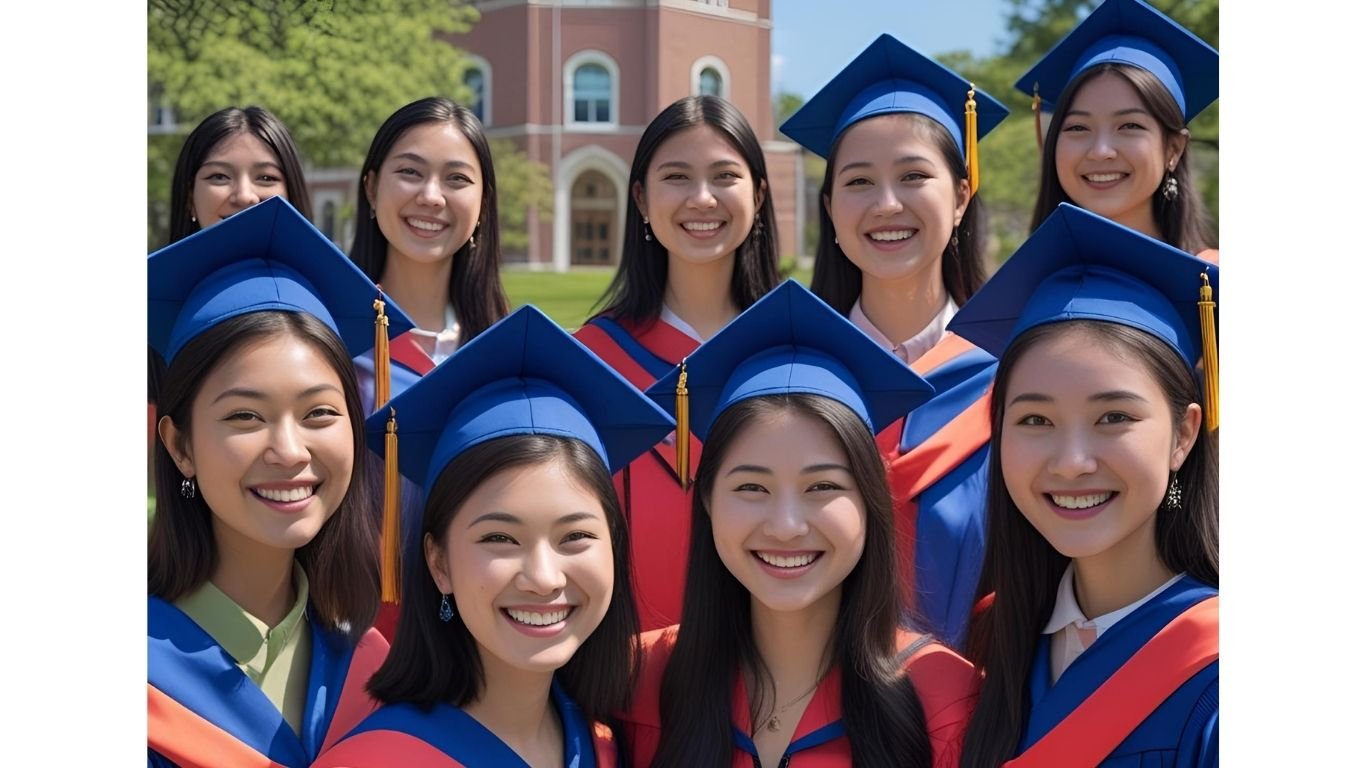
Tsinghua University Schwarzman Scholarship 2026-27 in China (Fully Funded). Apply for fully funded scholarships here. The Tsinghua University Schwarzman Scholarship 2026-27 represents one of the world’s most prestigious fully funded scholarship opportunities for international students seeking transformative leadership education in China with comprehensive study visa sponsorship. This highly competitive program brings together future global leaders from diverse backgrounds to study at one of Asia’s top universities while building an international network that spans continents and industries. The scholarship eliminates all financial barriers by covering tuition, accommodation, travel, and living expenses, creating a viable immigration pathway for scholars interested in exploring career opportunities in China or leveraging their China expertise globally.
Scout Adventures Volunteer Program in UK (Fully Funded)
Tsinghua University Schwarzman Scholarship 2026 Details:
| University: | Tsinghua University |
| Degree level: | Masters Degree |
| Scholarship coverage: | Fully Funded |
| Eligible nationality: | All Nationalities |
| Award country: | China |
| Last date: | 10 September 2026 |
| Field | Details |
| Scholarship Name | Schwarzman Scholars Program at Tsinghua University |
| Host Country | China |
| Eligible Nationalities | All countries worldwide (diverse international cohort) |
| Study Level | Master’s Degree in Global Affairs |
| Scholarship Type | Fully Funded (100% Financial Coverage) |
| Funding Coverage | Tuition, room and board, travel expenses, health insurance, personal stipend, study tour costs |
| Application Deadline | Typically mid-September annually (check official website for exact dates) |
| Official Website Link | www.schwarzmanscholars.org |
Complete Financial Benefits and Cost Breakdown
The Schwarzman Scholarship provides exceptional financial coverage that surpasses most international scholarship programs and eliminates any need for education loan alternatives or complex student finance options. This comprehensive funding package represents one of the most generous financial aid for international students programs globally, with total value exceeding $95,000 per scholar for the one-year intensive master’s program. Understanding the complete financial benefits helps applicants appreciate the extraordinary investment being made in their leadership development and China expertise.
| Benefit | Amount or Details |
| Full Tuition Fee Waiver | Complete coverage of all tuition costs for the one-year Master’s program |
| Monthly Living Stipend | Monthly personal allowance of approximately $4,000-$4,500 for living expenses |
| University Accommodation | Full room and board in Schwarzman College residential facility with meals included |
| Annual Return Airfare | Two round-trip economy class flights between home country and Beijing |
| Health and Medical Insurance | Comprehensive health and accident insurance for entire program duration |
| Research or Book Allowance | Additional funding for academic materials, research resources, and study needs |
| Visa Fee Reimbursement | Coverage of Chinese student visa application and processing fees |
| Study Tours and Leadership Development | Fully funded study tours within China and leadership development programming |
Students who do not receive Schwarzman funding can explore international student loans from financial institutions specializing in education financing from banks with competitive terms for study in China. Many qualified candidates successfully combine partial scholarship combinations from Chinese government scholarships, university awards, and home country funding to create comprehensive financial packages, though this requires significant planning and coordination across multiple funding sources and application timelines.
KAAD Scholarship in Germany (Fully Funded)
Why You Need an Immigration Consultant or Education Advisor
Working with a qualified immigration consultant or experienced education advisor significantly enhances application competitiveness for the highly selective Schwarzman Scholarship and streamlines the Chinese student visa process. Professional immigration lawyers provide invaluable assistance with visa rejection appeals if complications arise, thorough document verification to ensure all materials meet both scholarship and visa requirements, and PR pathway planning for scholars considering long-term career opportunities in China or Asia. Many successful Schwarzman applicants engage student visa consultants to navigate China’s specific documentation requirements and avoid common mistakes that delay visa processing or result in rejections despite scholarship acceptance.
An international student recruitment agency with China expertise can assist with understanding the complex Chinese higher education landscape, preparing competitive scholarship applications that align with program values, and managing visa filing procedures that differ significantly from Western countries. While the Schwarzman program provides support to accepted scholars, professional guidance during the application phase often distinguishes successful candidates in an extraordinarily competitive selection process where acceptance rates hover around three to four percent annually.
Available Study Programs for International Students
The Schwarzman Scholars Program offers a unique one-year Master of Global Affairs degree with three specialized concentration tracks that prepare future leaders to navigate complex international challenges. Unlike traditional graduate programs, this curriculum integrates leadership development, Chinese language and culture immersion, and global affairs expertise within an intensive cohort-based experience. All scholars complete core requirements while pursuing concentrated study in their chosen area of focus.
Public Policy Track
The Public Policy concentration prepares students for careers in government, international organizations, and policy research through rigorous training in policy analysis, governance systems, and comparative political economy. Graduates typically pursue roles in diplomatic services, think tanks, or international development agencies with starting salaries ranging from $55,000 to $85,000 depending on organization type and location. Demand for policy professionals with China expertise continues growing as governments and multilateral institutions seek specialists who understand Asia’s evolving role in global governance.
Economics and Business Track
This concentration focuses on international business, finance, and economic development with particular emphasis on China’s economic model and Asia-Pacific markets. Graduates enter management consulting, investment banking, corporate strategy, or entrepreneurship with starting compensation packages from $70,000 to $120,000 in major financial centers. The combination of business acumen and China market knowledge creates exceptional career opportunities as companies expand Asian operations and investment.
UNICAF Online Scholarship Program for International Students
International Studies Track
The International Studies concentration examines global security, international relations theory, regional dynamics, and cross-cultural communication for students pursuing careers in diplomacy, journalism, or international affairs. Career paths include foreign service, international media, NGO leadership, and academic research with entry-level positions typically offering $50,000 to $75,000 annually. Deep understanding of China’s international relationships and strategic priorities proves increasingly valuable across all international relations careers.
Computer Science and Artificial Intelligence
While not a separate Schwarzman track, the program incorporates technology and innovation modules examining China’s leadership in artificial intelligence, digital governance, and emerging technologies. Understanding China’s tech ecosystem proves valuable for graduates entering technology companies, venture capital, or tech policy roles where starting salaries often exceed $90,000 to $130,000. The intersection of technology, policy, and China expertise creates unique career differentiation in competitive markets.
Environmental Science and Sustainability
Schwarzman curriculum includes substantial focus on climate policy, sustainable development, and environmental governance given China’s critical role in global environmental challenges. Graduates pursuing environmental careers leverage this expertise in climate finance, renewable energy companies, environmental NGOs, or sustainability consulting with salaries ranging from $55,000 to $85,000. China’s massive investments in green technology create abundant opportunities for specialists understanding both environmental science and Chinese policy frameworks.
Law and International Relations
The program examines international law, trade policy, and legal frameworks governing global commerce and diplomacy, particularly Chinese approaches to international legal systems. Law graduates utilize this foundation in international law firms, trade organizations, or corporate legal departments with starting salaries from $70,000 to $110,000. Understanding Chinese legal and regulatory systems provides competitive advantages for lawyers working on cross-border transactions or international arbitration.
Healthcare Policy and Management
Healthcare modules explore public health systems, healthcare innovation, and medical technology with attention to China’s healthcare transformation and digital health leadership. Graduates entering healthcare consulting, hospital administration, pharmaceutical companies, or global health organizations earn between $60,000 and $95,000 initially. China’s healthcare market size and innovation create opportunities for specialists bridging healthcare expertise with Chinese market knowledge.
La Trobe University Scholarship in Australia (Funded)
Education and Development
The program examines education policy, international development, and capacity building with insights into China’s educational advancement and development cooperation models. Education and development professionals typically earn $50,000 to $75,000 in international development agencies, educational institutions, or foundations. China’s expanding development assistance and educational exchanges create growing demand for specialists navigating these complex partnerships.
Urban Planning and Infrastructure
Coursework covers sustainable cities, infrastructure development, and urbanization challenges drawing on China’s unprecedented urban transformation experience. Urban planners and infrastructure specialists earn $55,000 to $80,000 working for city governments, development banks, or consulting firms. China’s urban planning innovations and infrastructure expertise inform global best practices, making this knowledge highly marketable.
Media and Communications
The program includes media studies, strategic communications, and information systems examining China’s media landscape and digital communication platforms. Communications graduates enter journalism, corporate communications, public relations, or digital media with salaries from $50,000 to $80,000. Understanding Chinese media systems and digital platforms proves increasingly important as Chinese technology and media influence expand globally.
Top Universities in China for International Students
China hosts numerous world-class universities increasingly competitive with Western institutions in research output, faculty quality, and international rankings. University admission consultants familiar with Chinese higher education can help international students identify appropriate programs beyond Schwarzman and improve application quality through understanding of Chinese academic expectations. The following universities represent top destinations for international students seeking quality education in China.
Tsinghua University
Located in Beijing, Tsinghua ranks as China’s top university and among the world’s top 20 institutions globally, particularly strong in engineering, computer science, and business. International student acceptance rates vary by program from five to fifteen percent for highly competitive graduate programs. Tuition fees for international students range from $4,500 to $6,500 annually for most programs, significantly lower than comparable Western universities. Beyond Schwarzman, Tsinghua offers numerous scholarship opportunities including Chinese Government Scholarships and university-specific awards for exceptional international candidates.
Peking University
Situated in Beijing adjacent to Tsinghua, Peking University ranks among China’s top two institutions with particular excellence in humanities, social sciences, and natural sciences. International acceptance rates range from eight to twenty percent depending on program competitiveness and applicant qualifications. Annual tuition for international students approximates $4,000 to $6,000 across most graduate programs. Peking University administers extensive scholarship programs specifically targeting international students from developing countries and regions prioritized in Chinese diplomacy.
Fudan University
Based in Shanghai, Fudan ranks among China’s top five universities with strengths in medicine, management, social sciences, and international relations. International student acceptance rates vary from ten to twenty-five percent across different schools and programs. Tuition fees range from $3,800 to $5,500 annually for most international student programs. Fudan offers competitive scholarships including full-ride Chinese Government Scholarships and partial tuition waivers for qualified international applicants.
Shanghai Jiao Tong University
Located in Shanghai, this institution ranks among China’s top engineering and technology universities while expanding excellence in medicine and business. International acceptance rates range from twelve to thirty percent depending on program capacity and competition levels. Annual tuition for international students ranges from $4,200 to $5,800 across most programs. The university provides substantial scholarship funding including opportunities for full tuition coverage combined with living stipends for outstanding candidates.
Anglia Ruskin University Merit Scholarship in UK (Funded)
Zhejiang University
Situated in Hangzhou near Shanghai, Zhejiang University ranks among China’s top comprehensive research universities with particular strength in engineering, computer science, and management. International student acceptance rates vary from fifteen to thirty percent across different academic units. Tuition fees approximate $4,000 to $5,500 annually for international graduate students. Zhejiang administers generous scholarship programs including full funding packages comparable to Schwarzman for top-tier applicants.
University of Science and Technology of China
Located in Hefei, this specialized institution focuses on science and technology with world-leading programs in physics, chemistry, computer science, and emerging technologies. International acceptance rates range from ten to twenty percent for graduate programs seeking students with strong quantitative backgrounds. Annual tuition ranges from $3,500 to $5,000 for international students. The university offers competitive scholarships particularly for students from countries prioritized in China’s scientific cooperation agreements.
Nanjing University
Based in Nanjing, this institution ranks among China’s oldest and most prestigious universities with comprehensive academic programs across sciences, humanities, and social sciences. International student acceptance rates vary from fifteen to twenty-five percent depending on program and qualifications. Tuition fees range from $3,800 to $5,200 annually for most international student programs. Nanjing University provides substantial scholarship opportunities including Chinese Government Scholarships and institutional awards.
Beijing Normal University
Located in Beijing, this institution specializes in education, psychology, and teacher training while maintaining strong programs in sciences and humanities. International acceptance rates range from twenty to thirty-five percent with more accessible admission than top comprehensive universities. Annual tuition approximates $3,500 to $4,800 for international students across most programs. The university offers education-focused scholarships particularly for students from developing countries interested in educational development and teaching careers.
How to Choose the Right Education Consultant for China
Selecting a qualified education consultant for China applications requires careful evaluation given the unique aspects of Chinese higher education and visa processes that differ significantly from Western systems. Many international students experience application difficulties or visa rejections due to working with consultants lacking genuine China expertise or those operating unethical practices common in some regions. Legitimate registered immigration consultants with China specialization provide transparent guidance based on updated knowledge of Chinese scholarship requirements, university expectations, and visa procedures.
Licensed education agencies maintain direct relationships with Chinese universities, understand cultural nuances affecting application evaluation, and provide accurate information about program quality and career outcomes. Certified visa consultants familiar with Chinese embassy procedures can navigate documentation requirements that vary by applicant nationality and Chinese diplomatic mission, significantly improving visa approval rates.
China Education Certification and Networks
Verify that your consultant maintains active relationships with Chinese universities, Chinese embassy education sections, or official Chinese government scholarship administrators like the China Scholarship Council. Membership in professional education consulting associations with China chapters or participation in annual China education fairs indicates legitimate connections and current knowledge. Request evidence of consultant training programs attended, partnerships with Chinese institutions, or official authorization letters from universities they claim to represent.
Transparent Fee Structure
Reputable China education consultants provide detailed written service agreements specifying all fees before beginning work, typically charging reasonable amounts proportionate to services rendered rather than percentage-based fees tied to scholarship value. Be extremely cautious of consultants demanding large advance payments, requiring fees for scholarship applications that should be free, or promising guaranteed Schwarzman acceptance given the program’s extreme selectivity. Ethical consultants clearly distinguish between their advisory fees and actual program costs, never misrepresenting scholarship terms or creating false urgency to pressure payment.
Success Rate History
Request specific evidence of previous successful China scholarship applications including testimonial contacts you can independently verify, details about which programs and universities placed students attended, and realistic discussion of acceptance rates for competitive programs like Schwarzman. Be skeptical of consultants claiming unrealistically high success rates or those unable to provide concrete examples of past client achievements with supporting documentation. Quality consultants willingly discuss both successes and factors affecting outcomes while setting realistic expectations about highly competitive scholarship programs.
Post-Visa Support
Determine what support continues after visa approval, as quality China-focused consultants typically provide pre-departure orientation covering cultural adjustment, academic expectations, accommodation assistance, and initial settlement guidance. This ongoing relationship distinguishes professional services from transaction-focused operators who provide no support once fees are collected. Confirm whether the consultant maintains connections in China who can assist if problems arise during studies or if students need guidance on post-graduation opportunities.
Chinese Embassy and Consulate Relationships
Experienced China consultants maintain updated knowledge of visa procedures at specific Chinese embassies and consulates, as requirements and processing approaches vary significantly by diplomatic mission and applicant nationality. They should demonstrate familiarity with recent policy changes affecting student visas, documentation standards expected by specific embassy locations, and processing timelines for different visa categories. Consultants with established relationships often can provide insights into strengthening applications for specific embassy contexts without making inappropriate guarantees about outcomes.
Student Visa Requirements for China
The Chinese student visa application process requires meticulous preparation and strict adherence to documentation standards that vary by applicant nationality and Chinese diplomatic mission. Many international students engage student visa consultants familiar with Chinese embassy requirements to avoid common mistakes causing delays or rejections. Understanding each requirement thoroughly enables applicants to prepare complete submissions demonstrating genuine study intentions and compliance with Chinese immigration regulations.
| Requirement | Details |
| Visa Type and Name | X1 Visa for studies exceeding 180 days; X2 Visa for shorter programs |
| Proof of University Admission | Original JW201 or JW202 form issued by Chinese university and original admission letter |
| Proof of Financial Funds | Bank statements showing sufficient funds or official scholarship letter confirming full funding |
| Valid Passport Validity | Passport valid for at least 6 months with minimum two blank visa pages |
| Medical Examination Certificate | Physical examination record from designated clinic covering required health tests |
| Language Proficiency Test Score | HSK certificate for Chinese-taught programs or English proficiency for English programs |
| Biometric Enrollment | In-person submission at Chinese visa application center for fingerprinting and photo |
| Visa Application Fee | Varies by nationality and processing speed, typically $30-$140 USD |
| Average Processing Time | Standard processing 4-5 business days; express service available at additional cost |
| Health Insurance Requirement | Proof of health insurance coverage valid in China for study duration |
International student health insurance constitutes a mandatory requirement for Chinese student visas and residence permit registration after arrival. Students should carefully compare student insurance plans before applying, as coverage standards and costs vary significantly between university-provided group plans, private international student insurance, and comprehensive medical coverage. The Schwarzman program includes health insurance in its funding package, but students should understand coverage details, claim procedures, and any limitations that might require supplementary coverage.
International Student Health Insurance Guide
Health insurance for international students represents both a legal requirement for Chinese student visas and essential protection against potentially catastrophic medical expenses in a foreign healthcare system. Chinese immigration authorities require proof of valid health insurance coverage before issuing residence permits to students arriving on X1 visas for extended study programs. Three main types of plans serve international students in China: university health plans arranged through institutions as group coverage typically costing $200 to $400 annually, private student insurance from international providers offering comprehensive coverage for $400 to $800 yearly, and Chinese government health coverage available through some scholarship programs providing basic medical services.
Monthly costs for adequate international student health insurance in China typically range from $20 to $70 depending on coverage levels, deductibles, provider networks, and whether the plan meets international medical evacuation standards. Students should carefully compare plans for coverage of dental care beyond emergency treatment, mental health services including counseling access, emergency medical evacuation to home country or quality medical facilities if needed for serious conditions, and prescription drug coverage with reasonable cost-sharing structures. The best health coverage for students abroad in China should include direct billing arrangements with quality international hospitals in major cities, as language barriers and payment requirements at local Chinese hospitals can create significant challenges during medical emergencies.
Medical insurance requirement study visa specifications from Chinese embassies sometimes mandate minimum coverage amounts, specific insurance company approvals, or particular policy features, so students should verify current requirements with their specific visa application center before purchasing coverage. Affordable insurance for international students should never compromise essential protections, as medical costs for serious illness or injury without insurance can quickly exceed entire scholarship values and create devastating financial and health crises far from home support systems.
Step-by-Step Scholarship and Study Visa Application Process
Successfully securing the Schwarzman Scholarship and Chinese student visa requires systematic preparation beginning at least eighteen months before the intended start date. Following each step carefully maximizes competitiveness in the scholarship selection process and ensures smooth visa approval and transition to Beijing.
Step 1: Research and Shortlist Scholarships
Begin comprehensive research into the Schwarzman Scholars program at least fifteen to eighteen months before application deadlines by thoroughly reviewing the official website, attending virtual or in-person information sessions, and connecting with current scholars or alumni who can share firsthand insights. Study the program’s leadership focus, China immersion components, and post-graduation outcomes to determine if the opportunity aligns with your career goals and personal development objectives. Simultaneously research alternative Chinese scholarships including Chinese Government Scholarships, university-specific awards, and regional programs as backup options or alternatives if Schwarzman proves too competitive. Create a detailed timeline noting all critical deadlines for scholarship applications, standardized tests, recommendation letter requests, and visa processing to ensure adequate preparation time for each requirement.
Step 2: Check Eligibility Criteria Carefully
Carefully review all Schwarzman eligibility requirements including citizenship restrictions, age limits typically requiring applicants to be between 18 and 28 years old, minimum academic achievement standards generally requiring undergraduate GPAs above 3.3 on a four-point scale, and leadership experience expectations that emphasize impact rather than titles. Verify your academic credentials will be recognized by Chinese authorities and that your undergraduate degree comes from an accredited institution accepted for Chinese graduate admission. Assess your competitiveness honestly by comparing your profile to published statistics about accepted scholars’ backgrounds, academic achievements, leadership experiences, and demographic characteristics. Identify any gaps in your qualifications early so you can address them through additional leadership activities, academic preparation, professional experience, or standardized test performance before the application deadline.
Step 3: Prepare All Required Documents
Gather and prepare all necessary documents well in advance, allowing at least three to four months for completion given the extensive requirements for competitive applications. Secure strong recommendation letters from individuals who know your work intimately and can speak specifically to your leadership potential, intellectual capabilities, and cross-cultural competencies rather than generic endorsements. Draft compelling essay responses that authentically convey your unique story, genuine interest in China, clear career vision, and specific ways the Schwarzman program will advance your leadership development and impact goals.
Compile your complete academic record with official transcripts from all attended institutions, prepare a comprehensive resume highlighting leadership experiences and achievements, and complete any required standardized tests like GRE if your academic background suggests testing would strengthen your application. Ensure all documents are professionally formatted, completely free from errors, and organized according to application system requirements.
Step 4: Give IELTS or Required Language Test
Complete required English proficiency testing if English is not your native language, with Schwarzman typically accepting TOEFL scores of 100 or higher on the internet-based test or IELTS scores of 7.0 overall with no section below 6.5. Schedule tests at least four months before application deadlines to receive scores in time and allow one opportunity for improvement if your first attempt falls short of competitive thresholds. If interested in pursuing Chinese language study, consider taking the HSK Chinese proficiency test to demonstrate existing language foundation, though this is not required for Schwarzman admission. Strong English communication skills prove essential for success in the intensive program, so invest in preparation courses or tutoring if your language background suggests testing could present challenges.
Step 5: Submit Scholarship Application Online
Complete the comprehensive online application through the Schwarzman Scholars portal, carefully addressing all essay questions with thoughtful, specific responses that demonstrate deep self-awareness, genuine China interest grounded in concrete experiences or study, and clear articulation of how the program aligns with your leadership journey. Upload all required documents in specified formats, ensuring file sizes and types meet technical requirements to avoid submission problems. Review your entire application multiple times for consistency, accuracy, and completeness before final submission, ideally asking a trusted mentor or advisor to review as well. Submit well before the deadline to avoid technical issues that could prevent timely submission, saving all confirmation emails and reference numbers for tracking purposes.
Step 6: Receive Conditional or Unconditional Offer Letter
Monitor application status through the Schwarzman portal and email during the multi-stage selection process that typically includes initial application review, first-round interviews conducted regionally via video conference, and final-round interviews in major cities or at Schwarzman headquarters for top candidates. If invited to interview, prepare extensively by researching current China affairs, practicing articulation of your leadership philosophy and program fit, and developing thoughtful questions demonstrating genuine engagement with the Schwarzman mission. Successful finalists receive admission offers typically in late December or January, with decisions communicated via email and followed by official offer letters outlining acceptance conditions, enrollment requirements, and next steps for visa processing and pre-program preparation.
Step 7: Apply for Student Visa with Full Documents
Upon receiving your Schwarzman acceptance and official admission documents from Tsinghua University including the critical JW201 form required for scholarship student visas, immediately begin your Chinese student visa application through the Chinese embassy or consulate serving your region. Many scholars benefit from immigration consultant assistance during this phase to ensure all documentation meets specific embassy requirements and applications are completed accurately according to current procedures. Gather all required documents including the original JW201 form, admission letter, physical examination form from an approved medical facility, passport meeting validity requirements, completed visa application form with accurate information matching all supporting documents exactly, and passport photos meeting Chinese specifications. Schedule your visa appointment at the earliest available date, as processing timelines can vary and you want to secure your visa well before travel dates.
Step 8: Book and Attend Visa Interview at Embassy
Book your appointment at the Chinese Visa Application Service Center or Chinese embassy with jurisdiction over your residence, selecting the earliest available date that allows complete document preparation. Attend your appointment professionally dressed, arriving early with all original documents plus photocopies as specified by your particular visa center, organized in the exact order required. Be prepared to answer questions about your study plans, scholarship details, intended duration in China, and plans after graduation, though Chinese student visa interviews are typically brief and procedural rather than substantive interrogations. Submit your application materials, pay required visa fees through approved payment methods, and retain all receipts and tracking information for monitoring application status.
Step 9: Receive Visa and Arrange Accommodation
Collect your passport with approved X1 visa within the processing timeframe specified by your embassy, typically four to five business days for standard processing, and immediately verify all visa details are correct before leaving the facility. Begin arranging student accommodation and arrival logistics, though Schwarzman scholars reside in the purpose-built Schwarzman College with comprehensive residential facilities, meals, and community spaces provided as part of the scholarship package. Many scholars benefit from relocation services that assist with understanding Chinese customs regulations, shipping personal belongings, arranging airport pickup, and navigating initial arrival procedures in Beijing. Book your flight to Beijing allowing arrival several days before mandatory orientation programs begin, providing time to adjust to time zones, settle into your accommodation, and complete arrival registration requirements.
Step 10: Arrive and Complete University Enrollment
Upon arrival in Beijing, complete mandatory registration with local police within 24 hours of arrival as required by Chinese law for all foreign residents, a process typically facilitated by Schwarzman program staff or university international student services. Visit the Beijing Entry-Exit Bureau within 30 days of arrival to convert your entry visa to a residence permit that allows legal stay for your entire program duration, bringing required documents including passport, visa, admission letter, registration forms, accommodation verification, and physical examination results.
Complete university enrollment procedures during official registration periods, attending all mandatory orientation sessions for international students covering Chinese regulations, campus resources, academic policies, and cultural adjustment. Open a Chinese bank account to facilitate local transactions and receive any stipend payments, register for required courses and select your concentration track, and begin building relationships with your diverse cohort from around the world that will form your Schwarzman network for decades to come.
Required Documents Checklist
Preparing complete and accurate documentation represents the foundation of successful Schwarzman scholarship and Chinese visa applications. Education consultants specializing in China applications frequently assist students with document attestation and verification to ensure all materials meet both scholarship evaluation standards and Chinese immigration requirements. Organized preparation prevents last-minute stress and demonstrates professionalism to evaluators.
| Document | Required or Optional | Important Notes |
| Valid Passport | Required | Must be valid for at least 6 months beyond intended stay with minimum two blank pages |
| Academic Transcripts | Required | Official transcripts from all universities attended with English translations if original in other languages |
| Degree Certificates | Required | Bachelor’s degree and any other completed degrees with official translations and notarization |
| IELTS or Language Test Result | Required for non-native English speakers | Official test report showing scores meeting minimum requirements |
| Bank Statements Showing Sufficient Funds | Required for visa if not fully funded | Recent bank statements or sponsor letters; Schwarzman funding letter typically substitutes |
| Scholarship Offer Letter | Required if awarded | Official Schwarzman acceptance letter on program letterhead with funding confirmation |
| University Admission Letter | Required | Official Tsinghua University admission letter with program details |
| JW201 or JW202 Form | Required for visa | Original form issued by Chinese university authorizing visa issuance |
| Physical Examination Form | Required | Completed at designated medical facility covering required health tests including blood tests, X-rays, etc. |
| Police Clearance Certificate | Sometimes required | Certificate of no criminal record from relevant authorities, requirements vary by embassy |
| Passport-size Photographs | Required | Recent photos meeting Chinese visa specifications, typically 33mm x 48mm |
| Essay Responses and Personal Statements | Required for scholarship | Compelling essays addressing all required prompts demonstrating leadership and China interest |
| Three Recommendation Letters | Required for scholarship | Strong letters from individuals who can speak to leadership potential and academic capabilities |
| CV or Resume | Required | Comprehensive resume highlighting academic achievements, leadership experiences, and relevant activities |
| Video Introduction | Required for scholarship | Short video responding to specified prompts demonstrating communication skills and personality |
How to Send Money and Pay Tuition Fees from Abroad
International students studying in China frequently need to transfer funds for various expenses despite the Schwarzman Scholarship covering tuition and providing stipends. Understanding cost-effective methods to send money to China for tuition and personal expenses benefits all international students planning Chinese education. Choosing inappropriate transfer services can cost hundreds of dollars in excessive fees, poor exchange rates, and unexpected charges that drain student budgets unnecessarily.
The international wire transfer for students through traditional banks remains common but often expensive, with fees typically ranging from $25 to $50 per transaction plus exchange rate markups of two to four percent above mid-market rates. However, bank transfers provide official documentation useful for visa financial proof and create verifiable transaction records. The best exchange rate for student fees typically comes from specialized money transfer services like Wise, which offer transparent pricing with real mid-market exchange rates and low fixed fees generally ranging from 0.5 to 1.5 percent of transfer amounts.
Understanding how to pay university fees from Pakistan or other developing countries to China requires navigating both sending country regulations on foreign currency transfers and Chinese restrictions on receiving funds. Many countries limit foreign currency purchases or impose documentation requirements for educational transfers that students must satisfy before banks will process transactions. Wise money transfer education services simplify this process with user-friendly platforms, competitive rates, and faster processing than traditional banks, typically completing transfers within one to three business days.
Alternative services include Western Union for quick transfers particularly useful for emergency funds, though Western Union student transfer fees typically range from three to eight percent making them expensive for large tuition payments. Chinese payment platforms like Alipay and WeChat Pay facilitate domestic transactions within China and can receive international transfers, though setup requires Chinese bank accounts and phone numbers typically obtained after arrival. Chinese banks generally charge receiving fees of 0.1 to 0.2 percent for incoming international transfers, with some minimum fees applying to small transfers. Students should maintain both international transfer capabilities and Chinese domestic payment access to optimize costs and convenience for different transaction types throughout their studies.
Eligibility Criteria for International Students
Understanding comprehensive eligibility requirements helps prospective applicants assess their competitiveness for the Schwarzman Scholarship and prepare applications addressing all selection criteria. The program maintains specific standards to identify future leaders who will benefit most from the intensive China-focused graduate experience and contribute meaningfully to global leadership.
Nationality and Country of Residence
The Schwarzman Scholars program accepts applicants from all countries worldwide with deliberate efforts to build diverse cohorts representing all regions globally. The program typically allocates up to 45 percent of seats to scholars from the United States, up to 20 percent to scholars from China, and the remaining 35 percent to scholars from other countries ensuring truly international composition. Applicants must hold valid citizenship in their claimed country and typically should be residing in or have strong connections to that country, though the program welcomes applications from individuals living abroad for education or professional reasons. Dual citizens may apply from either country of citizenship but should clarify their primary national identity in applications.
Minimum Academic Grade or CGPA
Applicants must demonstrate strong academic achievement with undergraduate GPAs typically above 3.3 on a four-point scale or equivalent in other grading systems, though the program evaluates academic performance in context of educational opportunities and institutional rigor. Top candidates usually present GPAs above 3.7 with evidence of academic excellence through honors, awards, research achievements, or particularly challenging coursework. Academic performance serves as a foundation demonstrating intellectual capability, but Schwarzman selection emphasizes leadership potential and personal qualities beyond grades alone. Students from less prestigious undergraduate institutions can compete successfully by demonstrating exceptional achievement relative to their educational context and clear intellectual curiosity through independent learning and accomplishments.
Language Proficiency Score Required
Programs conducted in English require strong language proficiency with TOEFL scores typically above 100 on the internet-based test or IELTS scores of 7.0 overall with no section below 6.5 for competitive candidacy. Native English speakers or those completing undergraduate degrees taught entirely in English at recognized English-medium institutions may receive exemptions from testing requirements. Chinese language proficiency is not required for admission, as the program provides intensive Mandarin instruction as part of the curriculum, though demonstrated interest in Chinese language study or existing Chinese skills can strengthen applications by showing serious commitment to China engagement. Strong English communication skills prove essential for success in the intensive seminar-based program, so applicants should invest in language preparation if testing suggests communication could present challenges.
Maximum Age Limit
Applicants must be at least 18 years old and not older than 28 years old by August 1 of the year they would enroll, creating a narrow age window that prioritizes young emerging leaders early in their careers. This age limit reflects program philosophy of identifying and developing future leaders during formative career stages when intensive educational experiences create maximum impact. The limit applies strictly with very limited exceptions, so applicants approaching the upper age boundary should apply as early as feasible rather than delaying applications. The typical Schwarzman scholar profile includes recent graduates with two to five years of professional experience, though accomplished applicants straight from undergraduate studies or those with unique career paths also gain admission.
Financial Self-Sufficiency Proof
The Schwarzman Scholarship provides full funding regardless of financial need, so demonstrated financial need is neither required nor considered in admission decisions. However, applicants must demonstrate ability to cover incidental personal expenses beyond scholarship coverage, including personal travel, entertainment, additional meals beyond provided board, and discretionary spending. The scholarship’s generous stipend typically exceeds these needs for most scholars, but applicants should realistically assess total costs of living in Beijing including any dependents if applicable. Financial circumstances should never deter qualified candidates from applying, as the comprehensive funding package makes the program accessible regardless of economic background.
No Previous Scholarship from Chinese Government
Unlike some Chinese scholarship programs that restrict applicants with previous Chinese government funding, the Schwarzman program welcomes applicants regardless of previous scholarship history including those who studied in China previously or received other Chinese awards. In fact, previous China experience often strengthens applications by demonstrating sustained interest and existing foundation for deeper China engagement. Students should disclose all previous scholarship history accurately in applications, as transparency about funding sources builds credibility. The program seeks students with genuine China interest supported by concrete experiences, study, or professional engagement rather than opportunistic applicants attracted solely by funding.
Gap Year Policy
The Schwarzman program welcomes applicants with varied career paths including those with gaps between undergraduate completion and graduate study, provided these gaps involved meaningful activities advancing applicants’ leadership development, professional experience, or personal growth. Gaps spent in professional work, entrepreneurship, public service, research, or other substantive pursuits generally strengthen rather than weaken applications by providing maturity and real-world perspective. Applicants should address gaps proactively in applications with clear explanations of activities and growth during those periods supported by concrete achievements and references. Unexplained gaps or periods of inactivity without clear purpose may raise questions about motivation and commitment, so candidates should provide context for any unconventional timeline elements.
Health and Character Requirements
All scholarship recipients must meet Chinese visa health requirements including physical examinations confirming absence of serious communicable diseases, mental health conditions that would prevent study completion, or substance dependencies requiring treatment. Applicants must provide police clearance certificates or equivalent character references demonstrating good character without serious criminal records that would make them inadmissible to China or unsuitable for the program. The Schwarzman program maintains high standards for ethical conduct and expects scholars to demonstrate integrity, respect for others, and commitment to positive social impact through their previous activities and references. Minor health conditions or past mistakes typically do not disqualify candidates if appropriately disclosed and explained, but serious issues requiring ongoing treatment or raising questions about judgment may impact selection decisions.
Embassy Application Process and Visa Verification
Navigating the Chinese embassy visa application requires understanding specific procedures that vary by country but follow consistent overall processes for student visa issuance. Many students benefit from professional immigration lawyers who can represent them if visa complications arise or rejections occur despite scholarship acceptance. Understanding each step thoroughly reduces anxiety and improves success rates for securing the required X1 student visa.
Locating Nearest Embassy or Visa Application Center
Begin by identifying the Chinese embassy or consulate with jurisdiction over your legal residence through the Chinese Ministry of Foreign Affairs website or your country’s Chinese embassy website. Most countries now process visa applications through Chinese Visa Application Service Centers operated by authorized service providers rather than directly at embassies, creating standardized procedures and professional processing environments. Confirm which center handles student visa applications for your location and verify their specific requirements, hours, and appointment procedures, as these vary significantly between countries and regions. Some locations allow walk-in applications while others require advance online appointments that fill weeks in advance during peak periods.
Creating Online Account and Filling Application Form
Access the Chinese visa application form through the official website for your designated visa application center and complete the online form with meticulous accuracy, as errors or inconsistencies can delay processing or trigger additional scrutiny. Provide all information exactly as it appears in your passport and supporting documents, using consistent name spellings and formats throughout the application. Select the correct visa type as X1 for study programs exceeding 180 days and carefully complete all sections about your study plans, scholarship details, and intended duration in China. Save and print your completed application form with barcode, which must be submitted along with supporting documents at your appointment. Many visa centers now offer online application tracking systems that allow monitoring of processing status using application reference numbers.
Paying Visa Application Fee
Visa fees for Chinese student visas vary significantly by applicant nationality due to reciprocal fee structures, ranging from $30 for some countries to $140 or more for others, with additional service fees charged by visa application centers. Payment methods vary by location, with some centers accepting only cash while others require payment cards or bank transfers, so verify accepted methods before your appointment. Keep all payment receipts as you will need them for collecting your passport and may require them for reimbursement if your scholarship covers visa costs. Express or rush processing services cost significantly more but expedite visa issuance to one or two business days rather than standard four to five day processing, useful for applicants facing tight timelines.
Uploading All Documents
Prepare all required documents according to your visa center’s specifications, ensuring originals and photocopies are provided as required, documents are organized in the specified order, and all forms are properly completed and signed. The most critical documents include your passport with adequate validity and blank pages, completed visa application form, recent passport photos meeting Chinese specifications, original JW201 or JW202 form from Tsinghua University, original admission letter, physical examination record from authorized medical facility, and proof of financial means or scholarship funding letter. Some visa centers now allow or require advance document upload through online portals before appointments, while others accept documents only during in-person submission appointments. Ensure all uploaded documents are clearly legible, properly formatted as PDFs, and within file size limits to avoid technical issues.
Booking Biometric Appointment
Schedule your in-person appointment at the visa application center for the earliest available date that allows adequate document preparation time but provides sufficient processing time before your intended travel date. Bring all original documents, photocopies as specified, completed application forms, and payment as required. Biometric data collection including digital photographs and fingerprints is now standard for most Chinese visa applicants, requiring in-person appearance even if document upload was completed online. Some visa centers experience heavy demand during peak seasons from June to August, so book appointments well in advance if traveling during these periods.
Attending Interview if Required
Chinese student visa applications rarely require formal interviews, with most processing based on documentary review alone unless specific concerns arise about application authenticity or eligibility. If requested for an interview, prepare to answer questions about your study plans, scholarship details, previous travel history, plans after graduation, and reasons for choosing to study in China with honest, direct responses. Dress professionally, arrive early with all documents organized, and respond to questions confidently while providing truthful information consistent with your written application. The interview atmosphere is typically procedural rather than adversarial, with visa officers seeking to verify application authenticity and confirm genuine study intentions rather than to deny visas.
Tracking Application Status Online
After submitting your application, monitor processing status through the visa center’s online tracking system using your application reference number, checking daily for updates during the standard four to five business day processing period. Most visa centers send email or SMS notifications when passports are ready for collection, though these notifications sometimes experience delays so regular status checking remains advisable. If processing extends beyond standard timelines, contact the visa center using official channels to inquire about status, though additional processing time sometimes occurs for security checks or document verification beyond applicant control.
Receiving and Verifying the Study Permit
Collect your passport with issued visa from the designated pickup location within the specified timeframe using your receipt and identification. Immediately verify all information on the visa stamp is correct including your name spelling exactly matches your passport, visa type is correctly designated as X1 for long-term study, validity period covers your intended entry date, and permitted stay duration is noted as requiring residence permit conversion after arrival. The X1 visa typically allows single entry and requires conversion to a residence permit within 30 days of arrival in China through the local Public Security Bureau Exit-Entry Administration, so understand this is not your final residence authorization but rather entry permission requiring follow-up procedures in China.
Common Visa and Scholarship Mistakes That Get Applications Rejected
Understanding frequent errors helps applicants avoid pitfalls that derail otherwise qualified candidates from securing the Schwarzman Scholarship or Chinese student visa. Experienced immigration consultants familiar with Chinese applications regularly encounter these mistakes and emphasize that careful attention to details makes critical differences between approval and rejection.
Submitting Incomplete Documents
One of the most common reasons for both scholarship and visa rejections involves missing documents or incomplete information in submitted applications. Many applicants underestimate Chinese authorities’ strict adherence to documentary requirements and assume they can submit remaining materials later or that certain requirements represent optional suggestions. However, Chinese visa centers typically reject incomplete applications outright rather than requesting missing items, resulting in delays and additional fees for reapplication. Always submit complete applications with every listed document included, properly translated into Chinese or English as specified, and correctly notarized or authenticated according to requirements. The JW201 form represents the most critical document for scholarship student visas and must be original rather than photocopied, so safeguard this document carefully and never submit it until all other materials are confirmed ready.
Using Unofficial or Fake Consultants
Thousands of students lose money annually to fraudulent consultants who promise guaranteed Schwarzman acceptance or effortless visa approvals in exchange for substantial fees. These fake consultants often submit poorly prepared applications, provide outdated or incorrect information about Chinese requirements, or simply disappear with advance payments without providing any real services. Only work with registered immigration consultants who can provide verifiable credentials, transparent fee structures, and realistic expectations about the program’s extreme selectivity with acceptance rates around three to four percent. Remember that no consultant can guarantee Schwarzman selection, as the program maintains complete independence in evaluation and admits candidates solely based on merit, leadership potential, and fit with program objectives rather than consultant relationships or payments.
Applying for the Wrong Visa Category
Students sometimes apply for tourist visas intending to convert them after arrival, or select incorrect student visa categories that do not match their actual program duration and circumstances. This approach virtually guarantees rejection and may result in bans from Chinese visa applications due to suspected immigration fraud or misrepresentation. Always apply for the correct X1 visa category before traveling to China for programs exceeding 180 days, as tourist visas cannot be converted to study visas after arrival and entering on incorrect visa categories creates serious legal complications. The JW201 form provided by Tsinghua University explicitly authorizes issuance of X1 visas, so any other visa type would contradict official Chinese government authorization and raise immediate red flags with immigration authorities.
Insufficient Bank Balance Proof
Even scholarship recipients sometimes face visa complications when financial documentation does not clearly demonstrate the scholarship covers all living expenses beyond tuition. Visa officers must see explicit documentation proving funding sources are adequate for entire study duration without likelihood of financial hardship or illegal employment to supplement insufficient funds. Ensure your Schwarzman acceptance letter clearly states funding amounts, duration of coverage, and comprehensive nature of support including accommodation and stipend. If any portion of your expenses will come from personal funds or family support, provide bank statements or sponsor letters meeting minimum requirements set by your specific Chinese embassy, as these vary by location and applicant nationality.
Weak or Copied Motivation Letter
Generic essays copied from internet templates or previous successful applications receive immediate rejection from experienced Schwarzman reviewers who read thousands of applications annually and quickly identify unoriginal content. Your essay responses must authentically reflect your unique background, specific China interests grounded in concrete experiences or study, clear articulation of how the program aligns with your leadership journey, and genuine passion for addressing global challenges. Invest substantial time crafting original essays that tell your individual story convincingly, supported by concrete examples from your academic and professional experience that demonstrate rather than merely claim leadership qualities. Many applicants benefit from feedback on essays from mentors or professional reviewers, but the writing must remain authentically yours rather than heavily edited by consultants into generic templates.
Missing Application Deadlines
Late applications receive no consideration regardless of qualifications, as Schwarzman maintains strict deadlines to ensure fair evaluation processes for all candidates worldwide. Many students underestimate the time required to secure strong recommendation letters, complete compelling essays, gather required documents, and submit everything properly, resulting in missed deadlines and lost opportunities. Begin your preparation at least six months before application deadlines to allow adequate time for standardized testing if needed, recommendation letter requests allowing recommenders sufficient time for thoughtful letters, essay drafting and revision through multiple iterations, and careful application completion. Set personal deadlines several weeks earlier than official deadlines to accommodate unexpected complications like recommender delays, technical issues with the application portal, or last-minute document problems.
Not Getting IELTS Score Verified
Some applicants submit fake or altered language test scores believing they will not be verified, or they fail to request official score reports be sent directly to Schwarzman as required. All language test scores undergo verification directly with testing organizations, and any discrepancies result in immediate permanent disqualification from current and future consideration plus potential legal consequences for fraud. Only submit genuine test scores from official examinations taken at authorized testing centers, and follow proper procedures for requesting score reports be sent directly from testing organizations to Schwarzman Scholars program. The cost of taking official tests properly represents minimal investment compared to catastrophic consequences of submitting fraudulent scores that permanently destroy your credibility and eligibility.
Ignoring Health Insurance Requirements
Students sometimes overlook health insurance requirements or assume they can arrange coverage after arrival, leading to visa rejections or entry refusals at Chinese immigration checkpoints. Chinese student visas require proof of health insurance coverage meeting minimum standards for the entire intended study period before visas will be issued. Schwarzman scholars should verify their scholarship package includes adequate health insurance documentation satisfying visa requirements, typically provided automatically with admission materials. The program’s included insurance meets Chinese requirements, but understanding coverage details, claim procedures, and any limitations helps scholars access care effectively and avoid problems during visa applications or residence permit conversions.
Post-Study Work Visa and Salary Expectations in China
China has recently expanded opportunities for international graduates to gain professional experience after completing studies through improved work permit systems and streamlined application processes. The primary post-study work option comes through securing employer sponsorship for work permits and residence permits rather than separate post-study work visas like those available in some Western countries. International graduates must secure employment with Chinese companies or foreign enterprises operating in China willing to sponsor work permits, which employers can obtain relatively efficiently for qualified foreign graduates bringing needed skills.
Software Engineer
Software engineers and technology professionals enjoy exceptional demand throughout China’s thriving digital economy, particularly in major technology hubs like Beijing, Shanghai, Shenzhen, and Hangzhou where tech giants and startups actively recruit international talent. Entry-level software engineers typically earn starting salaries of ¥200,000 to ¥300,000 annually, equivalent to approximately $28,000 to $42,000 USD, with rapid progression to ¥400,000 to ¥600,000 within three to five years as engineers develop expertise in artificial intelligence, cloud computing, or other high-demand specializations. Senior software engineers and technical leads at major Chinese technology companies can command salaries of ¥800,000 to ¥1,500,000 or higher, particularly those with Schwarzman credentials demonstrating cross-cultural leadership and business acumen complementing technical skills. The work permit after study process for technology professionals typically proceeds smoothly given China’s strategic emphasis on technology development and shortage of qualified talent.
Business Manager
Business graduates entering management training programs, consulting firms, or corporate strategy roles typically start at ¥180,000 to ¥350,000 annually depending on company size, industry, and specific responsibilities. Mid-career business managers with five to eight years of experience earn ¥500,000 to ¥900,000 as they progress into senior management positions overseeing departments or business units. Experienced managers and directors in major multinational corporations or leading Chinese enterprises can command ¥1,200,000 to ¥2,500,000 or more, particularly in consulting, finance, and technology sectors where Schwarzman graduates’ combination of business skills and China expertise creates exceptional value. Understanding Chinese business culture and regulatory environment provides competitive advantages that accelerate career progression beyond what equivalent experience in Western markets might produce.
Financial Analyst or Investment Professional
Finance and investment professionals in Chinese financial centers, particularly Shanghai and Hong Kong, earn competitive salaries with starting compensation of ¥200,000 to ¥400,000 for analyst positions in investment banking, private equity, or asset management. Mid-career professionals with proven track records earn ¥600,000 to ¥1,200,000 as they advance to associate and vice president levels managing larger deals and client relationships. Senior investment professionals and managing directors can exceed ¥2,000,000 to ¥5,000,000 or more including performance bonuses, particularly in private equity and venture capital roles where China’s massive capital markets and deal flow create tremendous opportunities. Schwarzman scholars’ global networks and understanding of both Chinese and Western financial systems prove particularly valuable in cross-border investment roles.
Management Consultant
Management consultants working for international consulting firms or boutique strategy consultancies in China typically start at ¥250,000 to ¥400,000 including performance bonuses for analyst and consultant positions. Career progression to manager and principal levels over five to eight years brings compensation to ¥700,000 to ¥1,500,000 as responsibilities expand to client relationship management and business development. Senior partners and directors in major consulting firms can earn ¥2,000,000 to ¥4,000,000 or substantially more, particularly those building practices serving Chinese companies expanding globally or foreign companies entering Chinese markets. The skilled worker visa requirements for consultants are typically satisfied easily given the profession’s high salaries and specialized expertise.
International Relations Specialist
Professionals working in international affairs, diplomacy, policy research, or international organizations in China earn starting salaries of ¥150,000 to ¥280,000 in junior positions with NGOs, think tanks, or intergovernmental organizations. Mid-career professionals with established expertise and networks earn ¥350,000 to ¥650,000 as they advance to senior analyst or program management positions. Leadership positions in major international organizations or policy institutions can reach ¥800,000 to ¥1,500,000, though these roles are highly competitive. Schwarzman graduates’ unique combination of China expertise and global networks positions them exceptionally well for international relations careers bridging China and the broader international community.
Marketing and Communications Manager
Marketing and communications professionals in Chinese markets or foreign companies operating in China typically earn starting salaries of ¥180,000 to ¥320,000 for manager positions overseeing brand development, market research, or corporate communications. Mid-career progression to senior manager and director levels brings compensation to ¥450,000 to ¥850,000 over five to eight years. Marketing directors and communications leaders at major corporations can earn ¥1,000,000 to ¥2,000,000 or more, particularly in consumer technology, luxury goods, or other high-growth sectors. Understanding Chinese consumer behavior, digital platforms, and cultural nuances proves essential for marketing success, creating advantages for professionals with deep China immersion.
University Faculty or Researcher
Academic careers at Chinese universities offer stable employment with growing salaries as China invests heavily in higher education quality and research capacity. Assistant professor positions at major research universities typically start at ¥200,000 to ¥350,000 annually including benefits and housing allowances. Tenured associate and full professors earn ¥400,000 to ¥700,000 or more depending on institution prestige, research funding, and additional income from consulting or projects. Distinguished professors at top universities can exceed ¥1,000,000 particularly those leading major research centers or laboratories. Chinese universities increasingly recruit international PhDs and seek faculty with global perspectives to elevate research and teaching quality, creating opportunities for Schwarzman graduates interested in academic careers.
Permanent Residence Pathways After Studying in China
China maintains relatively restrictive permanent residence policies compared to traditional immigration countries, making long-term settlement significantly more challenging for international graduates. However, recent reforms have created more accessible pathways for high-skilled foreign professionals, particularly those in strategic industries or with advanced degrees from Chinese universities. Understanding permanent residence application options helps scholars planning long-term China careers navigate complex immigration requirements and develop strategies for extended residence authorization.
Work Residence Permit Pathway
The most common long-term immigration pathway involves maintaining continuous work residence permits through employment authorization for extended periods until eligibility develops for permanent residence consideration. Foreign nationals who have worked legally in China for four consecutive years while meeting tax and social insurance requirements, maintaining stable employment with salary meeting threshold requirements, and demonstrating no serious legal violations may apply for Chinese permanent residence. Processing times for permanent residence applications often extend 6 to 12 months with approval rates remaining relatively low compared to Western countries. Success tips include maintaining meticulous records of all residence permit renewals, tax payments, and employment contracts, working for well-established companies with strong government relationships, and engaging immigration attorney China specialists experienced in permanent residence applications to navigate complex documentation requirements. This pathway proves most realistic for Schwarzman graduates settling into long-term professional careers in China with employer support.
High-Level Talent Permanent Residence
China’s talent recruitment programs including the Thousand Talents Plan and provincial talent initiatives offer accelerated pathways to permanent residence for exceptional foreign professionals contributing to priority development areas like technology, finance, education, or research. Eligibility typically requires extraordinary achievements such as senior positions at Fortune 500 companies, leadership roles in major Chinese enterprises or research institutions, significant entrepreneurial success creating employment and economic value, or internationally recognized academic or professional achievements. Processing for approved high-level talent can complete within several months rather than years, though qualifying thresholds remain extremely high. Consulting an immigration attorney or registered immigration consultant familiar with talent program criteria helps assess eligibility and prepare compelling applications highlighting achievements meeting program standards. Schwarzman graduates entering senior leadership positions or making exceptional contributions in strategic fields represent the most likely candidates for these expedited pathways.
Investment-Based Permanent Residence
Foreign nationals making substantial investments in Chinese enterprises in priority industries may qualify for investment-based permanent residence, though specific requirements vary by location and investment amounts typically must exceed $500,000 USD while creating jobs and economic benefits. Shanghai, Beijing, and major provincial capitals maintain distinct programs with varying investment thresholds, business requirements, and processing procedures. This pathway suits Schwarzman graduates pursuing entrepreneurship in China or those with access to substantial capital for business ventures. The skilled worker visa requirements for investors focus on business plan viability, economic contribution potential, and compliance with Chinese foreign investment regulations. Success depends heavily on thorough business planning, legal structuring that satisfies Chinese authorities, and often maintaining investments and business operations for several years before permanent residence approval.
Family Reunion Permanent Residence
Foreign spouses, dependent children, or elderly parents of Chinese citizens may qualify for family reunion permanent residence under specific circumstances, providing an immigration option for Schwarzman graduates who marry Chinese citizens during or after their studies. Requirements typically include marriage duration of at least five years with continuous residence in China, demonstration of stable family relationships and financial stability, and meeting various other conditions. Processing times vary significantly and approval rates remain inconsistent depending on specific circumstances and reviewing authorities. This pathway represents a realistic option only for those developing genuine family ties in China rather than immigration-motivated relationships, as Chinese authorities carefully scrutinize marriage-based applications for authenticity.
Benefits of Studying in China for International Students
China has emerged rapidly as an increasingly attractive study destination for international students seeking unique educational experiences, career opportunities, and cultural immersion in the world’s second-largest economy. Understanding the complete range of benefits helps students appreciate why competitive scholarships like Schwarzman create exceptional long-term value beyond the immediate educational experience.
World-Class Education and Global Degree Recognition
Chinese universities have risen dramatically in international rankings over the past two decades, with institutions like Tsinghua and Peking now competing directly with top Western universities in research output, faculty quality, and educational resources. Degrees from leading Chinese universities receive increasing recognition globally by employers and academic institutions who value both academic rigor and China expertise. Students benefit from massive government investment in higher education infrastructure, access to cutting-edge research facilities particularly in technology and sciences, and educational approaches emphasizing both theoretical knowledge and practical application. The Schwarzman program specifically provides globally recognized credentials that enhance career prospects worldwide while offering educational experiences unavailable elsewhere, combining world-class faculty, diverse peer learning, and unparalleled access to Chinese leaders and institutions. Many university admission consultants now advise students to seriously consider Chinese universities for fields like technology, engineering, business, and international relations where China’s growing influence makes firsthand experience increasingly valuable.
Unique Cultural and Language Immersion
Studying in China provides authentic immersion in Chinese language and culture that proves impossible to replicate through short visits or distance learning, creating deep cultural competency increasingly valuable in global careers. Students develop Mandarin language skills through daily use, build understanding of Chinese social norms and communication styles through lived experience, and form lasting relationships with Chinese peers and communities. This cultural capital proves particularly valuable for careers involving China engagement including international business, diplomacy, journalism, international development, or academic research. The Schwarzman program specifically structures cultural immersion through mandatory Chinese language study, study tours throughout China, residential community integration with Chinese students, and leadership programming featuring Chinese leaders and perspectives. Many Schwarzman alumni credit their China immersion as transformative experiences reshaping their worldviews and career trajectories in ways purely academic programs could not achieve.
Access to Massive and Growing Economic Opportunities
China’s economy continues generating tremendous professional opportunities across industries from technology to finance, manufacturing to services, as companies expand and seek talented professionals who understand Chinese markets and business culture. International graduates with Chinese degrees, language skills, and professional networks access opportunities in multinational corporations operating in China, Chinese companies expanding globally, and consulting or service firms bridging Chinese and Western markets. The combination of education credentials and cultural competency creates career differentiation that accelerates advancement beyond what equivalent experience in Western markets might produce. Many education consultants for China note that alumni of programs like Schwarzman leverage their China expertise throughout careers even when ultimately working outside China, as Chinese market knowledge proves valuable globally.
Affordable Education Costs Compared to Western Alternatives
Even without scholarships, Chinese university tuition remains dramatically lower than comparable Western institutions, with annual costs of $4,000 to $6,500 representing fraction of American or British university fees exceeding $30,000 to $60,000 for similar quality programs. Living expenses in Chinese cities outside Beijing and Shanghai prove similarly affordable, with students managing comfortably on $800 to $1,200 monthly including accommodation, food, transportation, and entertainment. This affordability creates accessible international education opportunities for talented students who cannot secure fully funded scholarships, often requiring smaller international student loans or more manageable financial aid for international students packages than Western alternatives. The student loan for international students burden proves significantly lighter for Chinese education even when scholarships do not cover all costs, making it financially prudent for many students.
Extensive Scholarship and Funding Availability
China provides more fully funded scholarship opportunities for international students than virtually any other country through programs like Schwarzman, Chinese Government Scholarships, Confucius Institute Scholarships, and hundreds of university-specific awards targeting international students. These scholarships eliminate financial barriers preventing talented students from developing countries from accessing quality education, creating genuine meritocracy where academic potential rather than family wealth determines educational opportunities. The comprehensive funding covering tuition, accommodation, stipends, and insurance means scholarship recipients can focus entirely on academic excellence and cultural immersion without financial stress or need for part-time employment. For students unable to secure full scholarships, education financing options and partial scholarship combinations remain more accessible than in many Western countries.
Strategic Location and Regional Access
China’s geographic position provides easy access to broader Asian regions including Southeast Asia, Japan, Korea, and Central Asia for cultural exploration, research, or professional networking during studies. Major Chinese cities host large international communities creating multicultural environments where students connect with peers from worldwide while experiencing authentic Chinese culture. China’s extensive high-speed rail network, growing airline connections, and reasonable domestic travel costs facilitate exploration of the country’s tremendous geographic and cultural diversity during breaks between academic terms. This regional access proves particularly valuable for students interested in broader Asian affairs, comparative development studies, or building professional networks spanning multiple Asian markets.
Building Professional Networks in World’s Largest Market
Studying in China creates opportunities to build professional networks spanning Chinese industries, government, academia, and civil society that prove invaluable throughout careers involving China engagement. Programs like Schwarzman specifically structure networking through leadership seminars featuring senior Chinese leaders, mentorship programs connecting scholars with accomplished professionals, and alumni networks facilitating lifelong professional relationships. These connections provide insights, opportunities, and collaborative possibilities unavailable to professionals attempting China engagement from outside, creating competitive advantages in understanding Chinese decision-making, accessing Chinese markets, or building China-related businesses. Many international student recruitment agencies emphasize networking value as distinguishing Chinese education from distance learning or short-term programs that cannot replicate relationship-building through extended residence and study.
Developing Cross-Cultural Leadership Capabilities
Navigating Chinese educational and social systems develops resilience, adaptability, and cross-cultural communication skills that prove valuable throughout global leadership careers regardless of ongoing China involvement. Students learn to function effectively in culturally unfamiliar contexts, build relationships across significant cultural differences, and develop nuanced understanding of alternative worldviews and approaches to common challenges. These leadership capabilities increasingly matter in globalized professional environments where leaders must work effectively across cultures, manage diverse teams, and develop solutions considering multiple cultural perspectives. The Schwarzman program explicitly emphasizes leadership development through its curriculum, creating intentional opportunities for scholars to develop and practice cross-cultural leadership in supportive but challenging environments. Access to professional immigration and career support services through university international student offices, Chinese and foreign employers actively recruiting international graduates, and alumni networks facilitates successful career transitions from studies to professional practice.
Conclusion
The Tsinghua University Schwarzman Scholarship 2026-27 represents an extraordinary opportunity for emerging global leaders to gain world-class education, deep China expertise, and transformative leadership development through one of the world’s most selective and prestigious scholarship programs. This fully funded scholarship eliminates financial barriers while providing comprehensive support including tuition, accommodation, generous stipends, travel, and health insurance, making it accessible to talented students regardless of economic background. The intensive one-year program combines rigorous academics, Chinese language and cultural immersion, leadership development, and unparalleled networking with diverse global peers and Chinese leaders, creating educational experiences unavailable through conventional graduate programs.
Prospective applicants should begin preparation early, ideally 15 to 18 months before deadlines, to develop competitive applications addressing all selection criteria while allowing adequate time for standardized testing, recommendation letter requests, essay development, and careful application completion. Many successful candidates consult registered immigration consultants or certified education advisors familiar with Chinese scholarship applications and visa processes to strengthen applications and navigate complex requirements. The combination of a fully funded scholarship with proper study visa sponsorship creates optimal conditions for educational success, though students should understand that the X1 visa requires conversion to residence permit after arrival and does not automatically provide long-term settlement rights.
For scholars interested in exploring career opportunities in China after graduation, understanding the immigration landscape including work permit requirements and permanent residence application pathways proves essential for strategic career planning. While China maintains more restrictive immigration policies than traditional immigration countries, recent reforms create increasingly viable pathways for high-skilled foreign professionals, particularly those in strategic industries or with advanced Chinese degrees. The Schwarzman credential combined with China expertise and professional networks positions graduates exceptionally well for careers bridging Chinese and Western markets, whether ultimately based in China, their home countries, or third countries where China knowledge creates value.
Combining a fully funded scholarship with proper study visa sponsorship and clear understanding of post-graduation pathways represents the best strategy for long-term success in China for international students seeking transformative educational experiences and global career opportunities. The Schwarzman Scholarship opens doors that can fundamentally reshape career trajectories, expand global perspectives, and create leadership capabilities serving graduates throughout their professional lives.
TAGS: immigration lawyer China, education consultant, student visa sponsorship, fully funded scholarship, China scholarship, international student health insurance, student loan abroad, study permit China, university admission consultant, Schwarzman Scholars, Chinese Government Scholarship, education loan, relocation for students, study abroad guide, work permit China
CATEGORIES: International Scholarships, Study in China, Graduate Programs
INTERNAL LINKING SUGGESTIONS:
“Chinese Government Scholarship 2026-27: Complete Application Guide for International Students”
“Top 10 Fully Funded Master’s Scholarships in Asia for International Students 2026”
“How to Get China Student Visa: X1 and X2 Visa Requirements and Common Rejection Reasons”
“Working in China After Studies: Complete Guide to Work Permits and Residence Permits for Foreign Graduates”
“Tsinghua vs Peking University: Which Is Better for International Students in 2026?”
Apply Link
Official Link
Stay Connected!
Never miss a scholarship deadline! Join our channels for daily fully-funded opportunities & instant alerts.