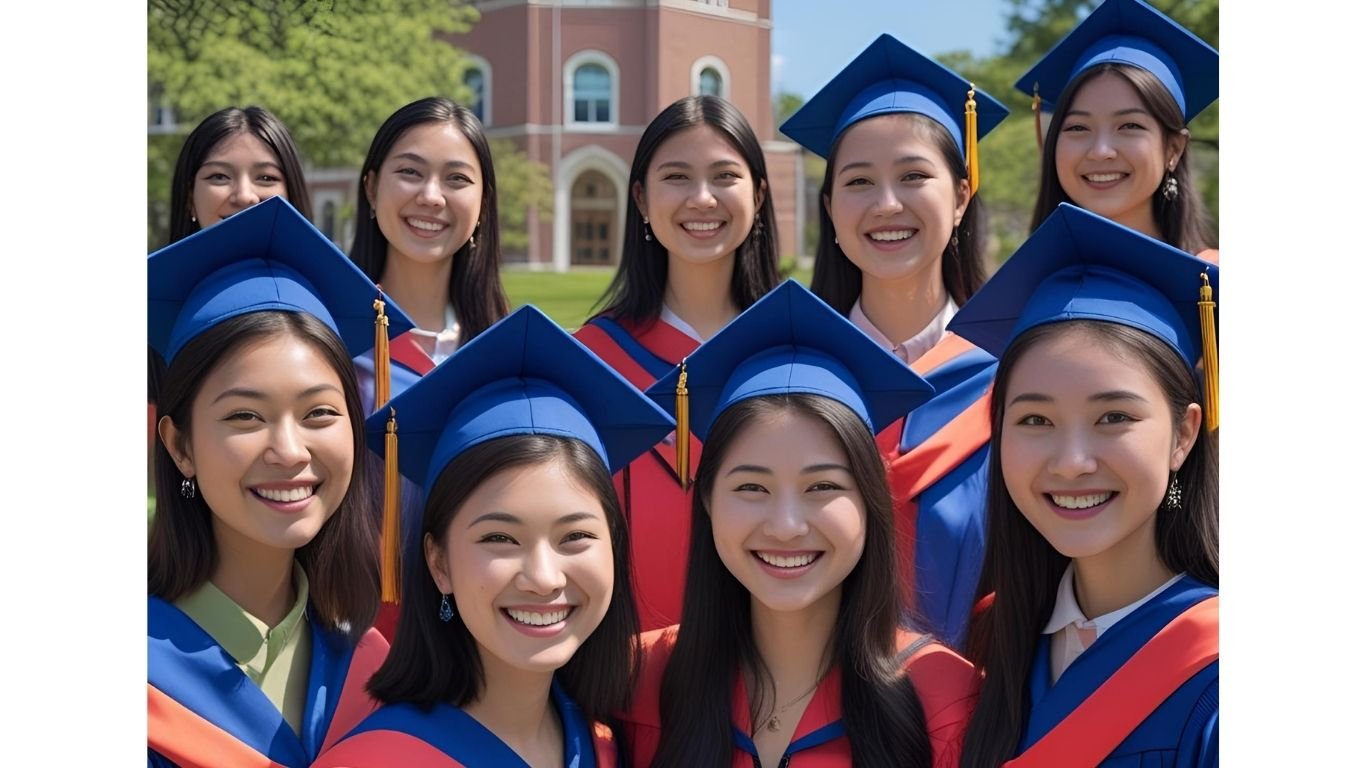
Anglia Ruskin University Merit Scholarship 2026 in UK (Funded). Apply for fully funded scholarships here. The Anglia Ruskin University Merit Scholarship 2026 offers funded opportunities for international students seeking quality British education with study visa sponsorship and promising immigration pathway options after graduation. This merit-based scholarship program, available at one of the UK’s most innovative and internationally diverse universities, provides partial to substantial tuition coverage that significantly reduces the financial burden for talented students from around the world.
Students from all countries can apply for undergraduate and postgraduate programs across diverse academic disciplines ranging from law and business to creative arts and health sciences. The scholarship program demonstrates Anglia Ruskin’s commitment to fostering global diversity while making UK higher education accessible to exceptional students regardless of their financial circumstances.
Concordia University Scholarships in Canada (Funded)
Anglia Ruskin University Merit Scholarship 2026 Details:
| University: | Anglia Ruskin University |
| Degree level: | Bachelors, Masters, PhD |
| Scholarship coverage: | Funded |
| Eligible nationality: | All Nationalities |
| Award country: | United Kingdom |
| Last date: | 20 September 2026 |
| Field | Details |
| Scholarship Name | Anglia Ruskin University Merit Scholarship 2026 |
| Host Country | United Kingdom |
| Eligible Nationalities | All international students worldwide |
| Study Level | Undergraduate (Bachelor’s), Postgraduate (Master’s) |
| Scholarship Type | Partially Funded (merit-based tuition reduction) |
| Funding Coverage | 25% to 50% tuition fee reduction based on academic merit |
| Application Deadline | Rolling basis throughout 2025-2026 academic cycle |
| Official Website Link | aru.ac.uk/international-scholarships |
Complete Financial Benefits and Cost Breakdown
Anglia Ruskin University provides merit scholarships offering tuition fee reductions that serve as excellent education loan alternatives for qualified international students, making UK education more affordable than many comparable institutions. While not covering 100% of all expenses, these scholarships represent significant financial aid for international students and can be combined with other funding sources to create comprehensive student finance options. Understanding the complete financial benefits helps students evaluate their actual out-of-pocket costs and plan additional funding strategies to bridge any remaining gaps. The scholarship amounts vary based on academic achievement, with stronger academic profiles receiving larger awards.
University of Freiburg DAAD EPOS Scholarship in Germany (Fully Funded)
| Benefit | Amount or Details |
| Tuition Fee Reduction | 25% to 50% tuition discount (£3,500 to £7,500 annually depending on program and merit) |
| Monthly Living Stipend | Not provided; students cover living expenses through personal funds or part-time work |
| University Accommodation | Not included; students pay for residence halls or private housing separately |
| Annual Return Airfare | Not covered; students responsible for travel costs to and from UK |
| Health and Medical Insurance | Immigration Health Surcharge required (approximately £470 per year); not covered by scholarship |
| Research or Book Allowance | Not typically provided; students budget for academic materials separately |
| Visa Fee Reimbursement | Not covered; students pay visa application fee (£363) independently |
| Family Allowance | Not provided; scholarship for individual students only |
Students who do not receive full funding or who need additional financial support beyond the merit scholarship can explore international student loans from UK and international lenders like Future Finance, Prodigy Finance, or MPOWER Financing offering education financing from banks specifically designed for international students studying in the UK. Many students also investigate partial scholarship combinations by applying to multiple external scholarship programs from organizations like Chevening, Commonwealth Scholarships, or their home country governments to cover remaining tuition and living expenses, creating comprehensive funding packages that make UK education affordable.
Why You Need an Immigration Consultant or Education Advisor
Working with a qualified immigration consultant or education advisor significantly improves your success rate when applying for UK university scholarships and navigating the Student visa application process that has strict financial requirements and documentation standards enforced by UK Visas and Immigration (UKVI). Professional immigration lawyers can provide crucial assistance with visa rejection appeals if your initial Student visa application is denied, thorough document verification ensuring all materials meet UKVI standards including specific format requirements for financial documents, and strategic PR pathway planning for students interested in exploring permanent residence options after graduation through Skilled Worker or other immigration routes.
Many international students hire student visa consultants who specialize in UK immigration procedures to avoid common mistakes such as insufficient financial documentation, incorrect visa categories, or inadequate Confirmation of Acceptance for Studies (CAS) understanding that frequently lead to visa refusals. An experienced international student recruitment agency with established relationships with UK universities can provide comprehensive support including university shortlisting based on your academic profile and career objectives, application submission assistance ensuring all materials are properly formatted according to UK academic conventions, and complete visa filing guidance including preparation for credibility interviews and financial documentation requirements.
These professionals stay current with changing UK immigration policies, scholarship opportunities, and university admission requirements, providing expertise that can make the critical difference between successful admission with funding and disappointing rejection.
University of Michigan Dearborn Scholarship in USA (Funded)
Available Study Programs for International Students
Anglia Ruskin University offers over 400 undergraduate and postgraduate programs across five faculties including the Faculty of Science and Engineering, Lord Ashcroft International Business School, Faculty of Health, Education, Medicine and Social Care, Faculty of Arts, Humanities and Social Sciences, and Cambridge School of Creative Industries. International students can choose from traditional academic disciplines and innovative professional programs designed to prepare graduates for evolving career demands in the global economy. All programs maintain high academic standards while emphasizing practical skills, employability, and industry connections that enhance career prospects. The following programs represent some of the most popular and career-advantageous choices among international students at Anglia Ruskin.
Computer Science and Artificial Intelligence
Computer science programs at Anglia Ruskin prepare students for careers in software development, cybersecurity, artificial intelligence, data analytics, and emerging technologies through hands-on projects and industry placements. Graduates typically secure positions with starting salaries ranging from £25,000 to £35,000 annually in the UK, with experienced professionals in AI and machine learning commanding salaries exceeding £50,000 to £80,000 in major tech hubs like London, Cambridge, and Manchester. Job demand for computer science graduates remains exceptionally high across all industries as digital transformation accelerates, and the UK tech sector continues expanding with government support for technology innovation creating abundant opportunities for skilled developers.
Medicine and Healthcare
While Anglia Ruskin does not offer traditional medical school, the university provides excellent healthcare programs including nursing, paramedic science, midwifery, and biomedical science that prepare students for critical healthcare careers. Healthcare professionals in the UK earn competitive salaries with registered nurses starting around £25,000 to £32,000 annually and advancing to £35,000 to £55,000 with experience and specialization. The aging UK population and NHS workforce shortages create sustained high demand for qualified healthcare professionals across all specialties, making healthcare education a sound career investment with strong job security and opportunities for international graduates to obtain Skilled Worker visa sponsorship.
Japanese Government MEXT Scholarship in Japan (Fully Funded)
Business Administration and MBA
The Lord Ashcroft International Business School offers highly regarded undergraduate business degrees and MBA programs combining theoretical knowledge with practical application through case studies, consulting projects, and internships with regional and international companies. Business graduates secure positions with starting salaries between £23,000 and £32,000, while MBA graduates command £35,000 to £55,000 initially with significant growth potential in management and executive roles. The UK’s diverse business environment including financial services, consulting, technology, and creative industries provides excellent career opportunities for business graduates with international perspectives.
Civil and Mechanical Engineering
Engineering programs at Anglia Ruskin offer excellent training with strong emphasis on sustainable design, innovation, and practical application through laboratory work and industry partnerships. Entry-level engineers earn approximately £25,000 to £33,000 annually in the UK, with chartered engineers and project managers commanding £40,000 to £65,000 or more with experience. Strong demand for engineers continues across infrastructure development, renewable energy, advanced manufacturing, and construction sectors, and engineering degrees often qualify for Skilled Worker visa sponsorship facilitating post-study employment and potential permanent residence pathways.
Law and International Relations
Law programs prepare students for legal careers, policy work, international organizations, and corporate compliance through rigorous training in English common law, international law, and legal research methodologies. Lawyers in the UK earn starting salaries ranging from £22,000 to £30,000 at smaller firms or public sector, with solicitors at major London firms earning £45,000 to £100,000+ initially. International relations graduates work in government agencies, NGOs, multinational corporations, and consulting firms with starting salaries around £22,000 to £32,000 and career advancement potential in diplomatic and policy roles.
Sabanci University Scholarship in Turkey (Fully Funded)
Environmental Science and Sustainability
Environmental programs address critical challenges in climate change, conservation, environmental management, and sustainable development through interdisciplinary approaches combining science, policy, and technology. Environmental professionals earn starting salaries between £22,000 and £28,000 in the UK, with experienced environmental consultants and sustainability managers earning £35,000 to £55,000 as demand grows. Job prospects continue improving as UK government commitments to net-zero emissions and corporate sustainability initiatives drive demand for environmental expertise across all sectors.
Data Science and Analytics
Data science programs combine statistics, programming, machine learning, and business intelligence to prepare students for one of the fastest-growing career fields globally. Starting salaries for data analysts and junior data scientists range from £25,000 to £35,000 annually in the UK, with experienced data scientists earning £45,000 to £70,000 or more at major companies and financial institutions. Virtually every industry now seeks data professionals who can extract insights from complex datasets to drive business decisions, creating abundant opportunities and strong salary growth potential for qualified graduates.
Education and Teaching
Education programs prepare future teachers, educational administrators, and educational researchers through comprehensive training in pedagogy, child development, and educational technology. Teachers in UK state schools earn starting salaries around £25,000 to £32,000 depending on location, with experienced teachers and senior leaders earning £40,000 to £70,000. While teaching salaries are moderate compared to some professions, the field offers job stability, fulfilling work, pension benefits, and opportunities to make meaningful impacts in students’ lives, with international teaching qualifications often transferable globally.
Architecture and Urban Planning
While Anglia Ruskin does not offer traditional architecture, the university provides excellent urban planning and built environment programs focusing on sustainable cities, community development, and urban design. Urban planners and built environment professionals earn starting salaries between £23,000 and £30,000 in the UK, with experienced planners earning £35,000 to £50,000 in local authorities and consulting firms. Growing focus on sustainable urban development and housing challenges creates expanding opportunities in this field across UK cities and internationally.
Economics and Finance
Economics and finance programs provide rigorous training in economic theory, financial markets, quantitative analysis, and policy development preparing students for careers in banking, consulting, government, and corporate finance. Finance professionals and economists secure positions with starting salaries ranging from £24,000 to £35,000 in the UK, with financial analysts at major firms and investment banks earning £40,000 to £70,000+ with experience. The UK’s position as a global financial center creates excellent opportunities for finance graduates, particularly in London’s thriving financial district.
Top Universities in UK for International Students
The United Kingdom hosts numerous world-class universities that attract international students seeking prestigious degrees, cultural experiences, and career opportunities in Europe and globally. Many prospective students work with university admission consultants who help identify schools matching their academic credentials, financial resources, and career objectives while maximizing scholarship opportunities and admission chances. These consultants provide valuable insights into the UK application system including UCAS for undergraduate programs, individual university portals for postgraduate studies, and how to present your profile most effectively to British admissions committees. The following universities represent some of the UK’s most prestigious and internationally recognized institutions.
University of Oxford
Located in Oxford, England, Oxford consistently ranks as the world’s top or top-three university with unparalleled academic reputation and resources. The acceptance rate for all applicants including international students is approximately 17-18%, making it highly selective. Annual tuition for international students ranges from £28,000 to £44,000 depending on program, with clinical medicine programs at the higher end. Oxford offers various scholarships including Clarendon Fund and Reach Oxford providing full or partial funding for exceptional international students, though competition is extremely intense.
University of Cambridge
Based in Cambridge, England, Cambridge ranks alongside Oxford among the world’s best universities with exceptional programs across all disciplines. International acceptance rates are approximately 20-21%. Tuition for international students ranges from £24,000 to £63,000 annually depending on program, with laboratory sciences and clinical subjects commanding higher fees. Cambridge provides numerous scholarships including Cambridge Trust and Gates Cambridge offering full funding for outstanding international graduate students.
Imperial College London
Located in London, Imperial specializes in science, engineering, medicine, and business with exceptional research facilities and industry connections. The university accepts approximately 14-15% of all applicants. International student tuition ranges from £34,000 to £52,000 annually depending on program. Imperial offers President’s Scholarships and various department-specific awards providing partial to full funding for exceptional international students, particularly in STEM fields.
University College London (UCL)
Situated in central London, UCL ranks among the UK’s top 5 universities with comprehensive programs across arts, sciences, engineering, and professional disciplines. International acceptance rates range from 30-35% depending on program competitiveness. Tuition fees for international students are approximately £24,000 to £38,000 annually. UCL provides numerous scholarships including UCL Global Excellence Scholarships offering partial funding for international undergraduate and postgraduate students demonstrating academic excellence.
University of Edinburgh
Based in Edinburgh, Scotland, this university combines historic prestige with contemporary research excellence across diverse fields. The university accepts approximately 40-50% of international applicants. International tuition ranges from £24,000 to £34,000 annually for most programs. Edinburgh offers various scholarships including Edinburgh Global Scholarships providing partial tuition coverage for international students from underrepresented countries.
King’s College London
Located in London, King’s is renowned for humanities, law, health sciences, and social sciences with strong professional connections. International acceptance rates are approximately 35-40%. Annual tuition for international students ranges from £22,000 to £48,000 depending on program. King’s provides International Scholarships and faculty-specific awards offering partial funding for academically strong international applicants.
University of Manchester
Situated in Manchester, England, this university offers exceptional programs across sciences, engineering, humanities, and social sciences with diverse international community. The university accepts around 50-60% of international applicants. International student tuition ranges from £23,000 to £48,000 annually. Manchester offers various scholarships including Manchester Global Futures Scholarship providing £3,000 to £5,000 tuition reduction for international undergraduate students.
London School of Economics (LSE)
Based in London, LSE specializes in social sciences including economics, politics, law, and international relations with global reputation. Acceptance rates for international students are approximately 35-40%. Annual tuition ranges from £23,000 to £36,000. LSE provides various scholarships including Graduate Support Scheme and undergraduate awards offering partial to full funding for exceptional international students demonstrating financial need and academic merit.
How to Choose the Right Education Consultant for UK
Selecting a qualified and ethical education consultant can significantly enhance your UK university application success while protecting you from fraudulent operators who exploit international students’ aspirations. The UK education consulting industry includes both legitimate professionals providing valuable guidance and unscrupulous individuals who make false promises, charge excessive fees, or submit inadequate applications that result in rejection. Students should thoroughly research consultants’ backgrounds, verify their credentials, and understand that ethical consultants provide guidance and support but cannot guarantee admission to specific universities.
Working with registered immigration consultants for visa matters, licensed education agencies with proven track records, and certified visa consultants who understand UK requirements ensures you receive accurate information and professional representation.
OISC Registration for Immigration Advice
For UK immigration and visa applications, only work with advisors registered with the Office of the Immigration Services Commissioner (OISC) or lawyers who are members of the Law Society or Bar Council. OISC registration ensures immigration advisors have proper training, professional indemnity insurance, and accountability through regulatory oversight. Verify advisor registration by checking the OISC public register online before engaging services. Unlicensed immigration advisors operating illegally cannot provide legal protection if issues arise and often provide incorrect advice leading to visa refusals or immigration fraud allegations.
Transparent Fee Structure
Professional education consultants provide clear written agreements detailing exactly what services are included such as university selection guidance, application review, personal statement editing, and visa application support. Typical fees for comprehensive UK university application support range from £500 to £2,500 depending on service scope and number of universities, though some consultants work on commission from universities without charging students directly. Be extremely cautious of consultants demanding large upfront payments before delivering services, promising guaranteed admission to competitive universities for fees, or charging success-based fees creating conflicts of interest. Ethical consultants clearly explain their compensation model and acknowledge they cannot control admission decisions.
Proven Success Rate History
Established education consultants demonstrate their effectiveness through verifiable testimonials from previous clients who gained admission to UK universities with scholarships, case studies showing student placements, and statistics on their clients’ admission and funding success rates. Request contact information for previous international students who worked with the consultant and independently verify these references. Check online reviews across multiple platforms including Google, Facebook, and education forums, looking for consistent positive feedback. Be skeptical of consultants claiming 100% admission success rates or who cannot provide references, as UK university admissions are competitive and even highly qualified applicants face selective processes.
Post-Visa Support and Settlement Services
Quality education consultants provide comprehensive support extending beyond admission and visa approval, including pre-departure orientation covering UK culture and academic expectations, assistance with accommodation arrangements and opening UK bank accounts, guidance on registering with the police if required and obtaining National Insurance numbers, and ongoing availability for questions during initial settlement. Some consultants maintain relationships with students throughout their studies, offering advice on visa extensions, work permission, and transitioning to Graduate Route visas or Skilled Worker visas after graduation. This extended support demonstrates genuine commitment to student success.
UK University Partnerships and Industry Knowledge
Experienced consultants specializing in UK education have established relationships with university international recruitment offices, admissions teams, and scholarship administrators gained through years of professional interaction and attendance at UK education fairs and training programs. While these relationships do not influence admission decisions, they mean consultants understand current requirements, program availability, scholarship opportunities, and can sometimes help resolve documentation issues efficiently. Consultants with deep UK education expertise stay updated on policy changes including recent Graduate Route modifications, Skilled Worker visa requirements, and evolving admission criteria, providing more accurate and current information than generalist consultants.
Student Visa Requirements for UK
The UK Student visa application process requires extensive documentation, strict compliance with UK Visas and Immigration (UKVI) regulations, and successful demonstration of genuine student intent and financial capacity. Many international students use student visa consultants who are OISC-registered to ensure their applications are complete, properly formatted, and convincingly address Home Office concerns about credibility and maintenance funds. Understanding each requirement and preparing documentation meticulously significantly improves approval chances and prevents costly rejections that can delay or derail your educational plans.
| Requirement | Details |
| Visa Type and Name | Student Visa (formerly Tier 4) for courses longer than 6 months at licensed sponsors |
| Proof of University Admission | Confirmation of Acceptance for Studies (CAS) from Anglia Ruskin University or other licensed sponsor |
| Proof of Financial Funds | £1,334 per month for up to 9 months (£12,006 total) for areas outside London, held for 28 consecutive days |
| Valid Passport Validity | Passport valid for entire intended stay in UK with blank pages for visa vignette |
| Medical Examination Certificate | Tuberculosis test certificate required from designated countries listed by UKVI |
| Language Proficiency Test Score | IELTS for UKVI (minimum overall 6.0-6.5) or equivalent as specified by university and UKVI |
| Biometric Enrollment | Fingerprints and photograph collected at Visa Application Centre (VAC) |
| Visa Application Fee | £363 for Student visa application outside UK |
| Average Processing Time | 3 weeks for applications outside UK; priority services available for additional fees |
| Health Insurance Requirement | Immigration Health Surcharge (£470 per year) mandatory; provides NHS access |
International student health insurance through the Immigration Health Surcharge is mandatory for all Student visa applicants and provides access to the National Health Service (NHS) during your stay in the UK. Students should understand that while the IHS provides comprehensive NHS access, some services like dental care and prescriptions have additional costs, and comparing student insurance plans for supplementary private coverage can provide enhanced benefits for services not fully covered by NHS or for faster access to certain treatments.
International Student Health Insurance Guide
Health insurance for international students in the UK is structured differently from many countries, with the mandatory Immigration Health Surcharge providing access to the National Health Service rather than traditional insurance policies. The IHS is required for Student visa approval and costs £470 per year of your visa, paid upfront when applying for your visa.
The types of health coverage available to international students include government health coverage through NHS accessed via the Immigration Health Surcharge providing comprehensive medical care including GP visits, hospital treatment, and emergency services, university health plans offering supplementary coverage for services not fully covered by NHS like dental care and optical services, and private student insurance from providers offering enhanced coverage, faster specialist access, and additional benefits beyond NHS provision.
Approximate monthly costs for supplementary private health insurance in the UK range from £15 to £50 depending on coverage level and provider, while the mandatory IHS works out to approximately £39 per month providing comprehensive NHS access. Students should compare plans for coverage of dental treatments which are partially covered by NHS with charges for dental examinations and treatments, mental health services including counseling which NHS provides though sometimes with waiting periods making private coverage valuable, emergency medical evacuation and repatriation which NHS does not cover and requires separate travel insurance, and prescription drugs where NHS charges a standard prescription fee currently £9.65 per item with some medications and conditions exempt from charges.
The best health coverage for students abroad in the UK typically involves paying the mandatory Immigration Health Surcharge for comprehensive NHS access combined with supplementary private insurance or travel insurance covering services not provided by NHS such as repatriation and enhanced dental coverage. Understanding the medical insurance requirement for study visa including how the IHS system works prevents confusion during visa application and ensures you budget properly for the upfront IHS payment which can total £940 to £2,350 or more depending on visa length. Many students find the NHS provides excellent affordable healthcare for international students once they understand the system and how to register with a GP practice near their university.
Step-by-Step Scholarship and Study Visa Application Process
Successfully securing the Anglia Ruskin University Merit Scholarship and UK Student visa requires following a systematic process with careful attention to deadlines, documentation requirements, and presentation of your academic credentials and financial situation. The complete timeline from initial research to arrival in the UK typically spans 8-14 months, requiring early planning and organization to meet all intermediate deadlines and requirements. Following each step methodically increases your chances of scholarship award and visa approval.
Step 1: Research and Shortlist Scholarships
Begin your scholarship search by thoroughly investigating all funding opportunities at Anglia Ruskin University including automatic merit scholarships awarded based on academic achievement, program-specific awards, and external UK scholarships for international students such as Chevening, Commonwealth Scholarships, or British Council programs. Visit Anglia Ruskin’s international scholarships website to understand scholarship types, typical award amounts ranging from 25% to 50% tuition reduction, eligibility requirements, and whether separate applications are needed or if you are considered automatically upon admission.
Research application deadlines noting that UK university applications operate on rolling admission bases with earlier applications often having better chances for both admission and scholarship consideration. Create a comprehensive spreadsheet tracking all potential funding sources, requirements, deadlines, and application status to stay organized throughout the process.
Step 2: Check Eligibility Criteria Carefully
Before investing significant time in applications, meticulously verify that you meet all scholarship eligibility requirements including academic qualifications such as minimum grades or percentages in your previous studies, nationality restrictions if any for specific awards, program-specific criteria for departmental scholarships, and any additional requirements like English language proficiency or specific subject backgrounds. Review your academic transcripts and calculate your grades in UK percentage terms or classification equivalents to understand how your credentials compare to scholarship requirements and typical recipient profiles. Identify any gaps in your qualifications such as language test scores not yet taken or subjects you may need to strengthen, and determine whether you can address these before application deadlines.
Step 3: Prepare All Required Documents
Document preparation requires several months to gather academic transcripts from all institutions attended with official seals and signatures, obtain degree certificates or predicted grades if still studying, request academic references from teachers or professors who can speak specifically to your abilities, write a compelling personal statement explaining your study motivations and career goals, prepare a comprehensive CV highlighting academic achievements and relevant experience, and compile any additional documents required by your specific program such as portfolios for creative courses or research proposals for postgraduate research programs. Start requesting transcripts and references at least 8-10 weeks before application deadlines because institutional processes can be slow and referees need adequate time to write thoughtful letters rather than rushed generic statements.
Step 4: Take IELTS for UKVI or Required Language Test
Register for IELTS for UKVI Academic test at an approved test center, as standard IELTS is not acceptable for UK visa purposes. Anglia Ruskin typically requires minimum IELTS scores of 6.0 overall with no section below 5.5 for undergraduate programs and 6.5 overall with no section below 5.5 for postgraduate programs, though specific programs may have higher requirements.
Consider taking IELTS preparation classes or using official preparation materials to maximize your scores, especially if English is not your first language. Plan to take the test at least 6-8 weeks before university application deadlines to allow time for score reporting and potential retakes if your initial scores do not meet requirements. Only IELTS for UKVI, TOEFL iBT, PTE Academic UKVI, or other UKVI-approved tests are acceptable for visa purposes.
Step 5: Submit University and Scholarship Application Online
Complete your application through Anglia Ruskin University’s online portal for postgraduate programs or through UCAS for undergraduate programs, ensuring all information is accurate and consistent with supporting documents. Pay careful attention to personal statement prompts and word limits, crafting a unique, authentic statement that tells your story, demonstrates your qualifications and potential, and explains how Anglia Ruskin specifically matches your educational and career goals.
Upload all required documents in specified formats, typically PDFs, and verify uploaded files are complete and legible before final submission. Submit applications well before deadlines to demonstrate strong interest and allow time for scholarship consideration. Save confirmation emails and application reference numbers for tracking purposes and future correspondence with the admissions office.
Step 6: Receive Conditional or Unconditional Offer Letter
After submitting your application, the review process typically takes 2-6 weeks with scholarship notifications often included with admission offers or communicated separately. If you receive an offer, carefully review whether it is conditional upon completing your current studies with certain grades, achieving specific English test scores, or meeting other requirements, or unconditional confirming your admission without further conditions.
Scholarship awards will specify the amount, typically expressed as a percentage tuition reduction or specific monetary amount, duration which may be for one year or renewable for your entire program, and any conditions for maintaining the scholarship such as academic performance standards. Respond to offers by specified deadlines, typically 2-4 weeks, and pay any required deposits to secure your place, though these are generally non-refundable if you later decline.
Step 7: Apply for Student Visa with Full Documents
Once you accept your offer and pay deposits, Anglia Ruskin will issue your Confirmation of Acceptance for Studies (CAS), typically within 1-2 weeks, which you need to apply for your Student visa. Many students work with an immigration consultant who is OISC-registered at this stage to ensure they complete the online visa application form correctly, gather adequate financial documentation showing maintenance funds held for 28 consecutive days before visa application, and prepare for credibility assessment through supporting documents and potential interviews.
Create an account on the UK visa application website, complete the Student visa application form carefully, upload all required documents including CAS, financial evidence, language test results, passport biographical pages, and tuberculosis test certificate if required from your country. Pay the visa application fee of £363 plus Immigration Health Surcharge calculated based on your course length.
Step 8: Provide Biometrics and Await Decision
After submitting your online visa application and paying fees, book an appointment at your nearest Visa Application Centre to provide biometric information including fingerprints and photograph. Attend your appointment with your passport, appointment confirmation, and any additional documents requested. Some applicants may be selected for credibility interviews either at the VAC or via video call to assess genuine student intent.
Processing times for Student visa applications are typically 3 weeks when applying from outside the UK, though priority and super-priority services are available for additional fees if you need faster processing. Track your application status through your online account and respond promptly to any requests for additional information or documents.
Step 9: Receive Visa and Arrange Accommodation
When your visa is approved, you will receive either a visa vignette in your passport valid for 30 days for travel to the UK, or a biometric residence permit if applying from certain countries. Begin finalizing travel arrangements including booking flights to the UK timed to arrive before university registration, researching student accommodation options including Anglia Ruskin residence halls or private student housing in Cambridge or Chelmsford, and preparing for departure. Many students use relocation services for students or connect with Anglia Ruskin’s accommodation office for housing assistance, roommate matching, and practical information about living in the UK. Complete any pre-arrival tasks required by the university such as online enrollment, course selection, and health questionnaires.
Step 10: Arrive and Complete University Enrollment
Plan to arrive in the UK at least 1-2 weeks before term starts to complete all required administrative tasks including collecting your biometric residence permit if not received before travel, attending mandatory international student orientation sessions covering UK regulations and university policies, completing in-person enrollment verification and collecting your student ID, opening a UK bank account for managing finances and receiving any part-time work payments, and registering with a local GP practice for NHS access. Attend all orientation programs covering academic expectations, visa compliance, safety information, and available support services. Familiarize yourself with your campus, academic department, and local area to begin settling into UK student life.
Required Documents Checklist
Proper document preparation is crucial for both university admission with scholarship consideration and Student visa approval, with missing or incorrectly formatted materials among the most common reasons for application rejection or visa denial. Many applicants work with education consultants who provide document attestation and verification services ensuring all materials meet UK university and UKVI requirements including proper authentication, translation certification for documents not in English, and specific formatting standards. Starting document collection at least 3-4 months before application deadlines prevents last-minute stress and allows time to obtain missing items or correct errors discovered during preparation.
| Document | Required or Optional | Important Notes |
| Valid Passport | Required | Must be valid for entire study period; include biographical pages and any previous UK visas |
| Academic Transcripts | Required | Official transcripts from all institutions with grades, credits, seals; certified English translations required |
| Degree Certificates | Required | Certified copies of diplomas; predicted grades acceptable if still studying |
| IELTS for UKVI Test Result | Required | Must be UKVI-approved test; standard IELTS not acceptable for visa; minimum scores vary by program |
| Bank Statements Showing Funds | Required (for visa) | Must show £12,006+ held for 28 consecutive days; in your name or parent’s/guardian’s with consent letter |
| Scholarship Offer Letter | Required (if awarded) | Official scholarship notification from Anglia Ruskin detailing amount and terms |
| University Offer Letter and CAS | Required | Admission letter and Confirmation of Acceptance for Studies with unique CAS number |
| Student Visa Application Form | Required | Completed online on UK visa website with accurate information and payment confirmation |
| Tuberculosis Test Certificate | Required (certain countries) | From approved clinic if from TB-prevalent country listed by UKVI; valid 6 months |
| Police Clearance Certificate | Optional | Not typically required for Student visa but may be requested in specific cases |
| Passport Photographs | Required | Biometric photos provided at VAC; additional photos for university use |
| Personal Statement | Required (for admission) | Well-written statement explaining study motivations, career goals, why this program |
| Two Academic References | Required | From teachers or academics; submitted directly by referees in most cases |
| Curriculum Vitae (CV) | Required | Comprehensive CV including education, work experience, achievements, skills |
| Parental Consent (if under 18) | Required (if applicable) | Notarized parental consent for students under 18 years old |
How to Send Money and Pay Tuition Fees from Abroad
International students need to understand how to efficiently transfer money to the UK for tuition payments, living expenses, accommodation deposits, and other costs while minimizing fees and securing favorable exchange rates that can significantly impact total education expenses. Choosing the right international wire transfer for students service can save hundreds of pounds over the course of your studies compared to using traditional banks with high fees and poor exchange rates. Understanding the best exchange rate for student fees and various remittance options helps you make informed decisions about managing finances across international borders.
Traditional bank wire transfers remain common for how to pay university fees from Pakistan and other countries to UK institutions, offering reliability and official documentation that universities and immigration authorities recognize. Major international banks typically charge $25-$50 (approximately £20-£40) per outbound wire transfer plus exchange rate markups of 3-5% above mid-market rates, making them expensive for regular transfers though acceptable for large one-time tuition payments. Wire transfers typically process in 2-5 business days, and receiving banks may charge additional incoming fees reducing the final amount received.
Modern online money transfer services like Wise money transfer education platform provide significantly better value with transparent fees typically 0.4-0.8% of transfer amount and real mid-market exchange rates without hidden markups. Wise allows you to send money to UK for tuition and living expenses with most transfers completing in 1-2 business days at costs dramatically lower than traditional banks, often saving £50-£200 on a £10,000 tuition payment compared to bank transfers. The platform provides upfront fee and exchange rate disclosure before you commit, eliminating surprises when funds arrive. Wise also offers a multi-currency debit card useful for international students managing money across multiple currencies.
Other competitive services include Remitly offering fast transfers with competitive rates for certain country corridors, OFX providing good rates for larger transfers above £5,000, and Western Union for emergency transfers when speed is critical though fees are typically higher. Some UK banks like Barclays and HSBC offer international student banking packages with reduced transfer fees worth investigating once you arrive in the UK. Anglia Ruskin University accepts tuition payments via bank transfer, credit/debit cards (with processing fees), or through payment plan services like Flywire and Western Union Business Solutions that specialize in education payments and often offer competitive exchange rates.
Eligibility Criteria for International Students
Understanding scholarship eligibility requirements before applying helps you realistically assess your chances and focus effort on opportunities where you are competitive. Anglia Ruskin University evaluates merit scholarship applicants primarily on academic achievement demonstrated through previous grades, though other factors like English proficiency and program choice may influence awards. Meeting minimum requirements does not guarantee scholarships since awards are competitive and based on the strength of your overall application compared to other candidates.
Nationality and Country of Residence
Anglia Ruskin University Merit Scholarships are generally open to all international students requiring Student visas to study in the UK, regardless of country of origin. UK/EU students classified as home students for fee purposes are typically ineligible for international student scholarships and should explore different funding sources. Your country of citizenship at the time of application determines your student status, and scholarship eligibility is typically based on paying international student tuition rates rather than home student rates.
Minimum Academic Grade or CGPA
Academic excellence is the primary criterion for merit scholarships with awards typically requiring strong previous academic performance. Undergraduate scholarship applicants generally need secondary school grades equivalent to UK grades AAB-ABB or higher (approximately 80-85%+ in most systems), though the most competitive scholarships target students with AAA or higher (90%+). Postgraduate scholarship applicants typically need undergraduate degrees classified as 2:1 (upper second class) or higher, equivalent to approximately 60-70%+ or 3.3+ GPA on 4.0 scale, with first-class degrees (70%+, 3.7+ GPA) receiving the largest awards. Higher academic achievement typically correlates with larger scholarship awards.
Language Proficiency Score Required
English language proficiency is mandatory for admission and scholarship consideration at Anglia Ruskin. Applicants must take IELTS for UKVI Academic or another approved UKVI test, with minimum scores typically 6.0 overall (no section below 5.5) for undergraduate programs and 6.5 overall (no section below 5.5) for postgraduate programs, though specific programs may require higher scores. Higher English test scores do not typically increase scholarship amounts but are essential for meeting admission requirements. Students who completed previous degrees taught entirely in English at recognized institutions may request English language requirement waivers.
Age Limits
Anglia Ruskin University scholarships typically do not impose strict age limits, welcoming students of all ages who meet academic requirements. Undergraduate scholarships implicitly favor traditional-age students who recently completed secondary school, while postgraduate scholarships are open to students with diverse age ranges and career experiences. Mature students with significant work experience may actually have advantages for certain programs valuing professional backgrounds, particularly in business and professional fields.
Financial Self-Sufficiency Proof
While merit scholarships reduce tuition costs, all international students must demonstrate financial capacity to cover remaining tuition and living expenses as required for Student visa approval. Even with 50% tuition scholarship, students must show ability to pay remaining tuition plus maintenance funds of £12,006 (£1,334 x 9 months) for UKVI financial requirements. Financial documentation must show funds held for minimum 28 consecutive days in bank accounts in your name or parent’s/legal guardian’s name with consent letter. Scholarship award letters demonstrating tuition coverage can be combined with bank statements showing living expense funds to meet total UKVI financial requirements.
No Previous Scholarship Restrictions
Students who previously received UK government scholarships like Chevening are typically ineligible to receive those same scholarships again, though university scholarships like Anglia Ruskin’s merit awards typically have no restrictions on previous scholarship holders. Students can often combine multiple scholarship sources including university awards, external scholarships, and home country government funding, though some awards may have specific terms limiting combinations. Always review individual scholarship terms and conditions and inform all scholarship providers of other funding you receive to ensure compliance with award terms.
Gap Year Policy
Academic gaps between qualifications are evaluated individually based on how time was used. Gaps of 1-2 years for work experience, language study, or personal circumstances are generally acceptable and may strengthen applications if activities relate to your field of study or demonstrate personal development. Extended gaps of 3-5+ years require explanation and justification through professional achievements or compelling circumstances, and may reduce competitiveness for scholarships targeting recent graduates. Clearly explain any gaps in your academic history in application materials, emphasizing productive activities and continued intellectual engagement rather than leaving gaps unexplained.
Health and Character Requirements
All scholarship recipients must meet UK immigration health and character requirements including tuberculosis testing from designated countries and general good character standards. Students must be able to participate fully in their academic programs and meet any specific health requirements for certain courses like healthcare or laboratory sciences. Character requirements include disclosing any criminal convictions or immigration violations that might affect visa eligibility. Falsification of any application information results in immediate scholarship revocation and potential visa consequences.
Official Scholarship and Visa Application Websites
Using only official government and university websites prevents fraud and ensures you receive accurate, current information about scholarship opportunities, admission requirements, and visa procedures. Fraudulent websites mimicking official UK government or university sites have scammed thousands of international students by collecting application fees for non-existent programs, stealing personal information for identity theft, or providing false information leading to application rejection. Always verify website authenticity by checking domain names ending in .ac.uk for UK universities or .gov.uk for UK government sites, confirming HTTPS security, and cross-referencing information across multiple official sources.
Embassy Application Process and Visa Verification
The UK Student visa application process is conducted primarily online through the UK government visa website rather than through embassies, though biometrics collection and document submission occur through Visa Application Centres (VACs) operated by partners like TLS Contact or VFS Global. Immigration lawyers and visa consultants who are OISC-registered can represent students if Student visa applications are refused, helping with administrative review requests, reapplications addressing refusal reasons, or in rare cases judicial review proceedings though refusals are uncommon for properly prepared applications. Understanding each step and preparing thoroughly prevents complications and improves approval chances.
The first step involves visiting the official UK government visa website to determine your specific visa requirements based on your nationality and intended study. Confirm that Anglia Ruskin University is a licensed Student sponsor by checking the register of licensed sponsors on the UK government website, which is required for issuing CAS statements.
Create an account on the UK visa application portal and complete the online Student visa application form, providing accurate information about your personal details, education history, Anglia Ruskin program information from your CAS, financial capacity, and background. The form requires your CAS number issued by Anglia Ruskin and asks detailed questions about your study plans and intentions to return home after studies.
Pay the visa application fee of £363 and Immigration Health Surcharge calculated based on your course length plus any additional time allowed on your visa, typically totaling £940 to £2,350 for undergraduate degrees or £470 to £1,410 for master’s programs. Payment must be made online via credit/debit card or other accepted payment methods during the application process.
Upload all required supporting documents through the online portal or document upload service if required, though many applicants no longer need to submit physical documents as UKVI increasingly relies on electronic verification of CAS information and digital document submission. Documents typically required include passport biographical pages, tuberculosis test certificate if from designated country, and financial evidence meeting the 28-day rule unless exempt.
Book your biometrics appointment at the nearest Visa Application Centre in your country through the online system integrated with your visa application. Attend the appointment with your passport, appointment confirmation, and application checklist to provide fingerprints and photograph. Some applicants may be selected for credibility assessment interviews either at VAC or remotely.
Track your application status through your online account using your unique application reference number. Standard processing takes approximately 3 weeks for applications outside the UK, with priority services (additional £212) providing decisions within 5 working days and super-priority services (additional £956) providing next working day decisions available in some countries.
When your visa is approved, you will receive either a 30-day entry clearance vignette in your passport allowing travel to the UK, or in some cases a 90-day multi-entry vignette. Upon arrival in the UK, you must collect your biometric residence permit (BRP) from your designated collection point, typically at Anglia Ruskin University or a local post office, within 10 days of arrival. The BRP contains your full visa details and serves as your official immigration status document while in the UK.
You can verify the authenticity of UK visa decision letters and entry clearance vignettes by checking for official Home Office security features, holograms, and unique reference numbers, or by contacting UKVI through official channels if you have concerns about potential fraudulent communications. Never send money or personal information in response to unsolicited contacts claiming to be from UK immigration authorities.
Common Visa and Scholarship Mistakes That Get Applications Rejected
Understanding common application mistakes helps you avoid pitfalls that derail thousands of UK Student visa and scholarship applications annually despite applicants having strong qualifications. Professional immigration consultants who are OISC-registered regularly encounter these errors and emphasize that most refusals are preventable through careful preparation, attention to UKVI requirements, and understanding what visa officers and scholarship committees seek in successful applications.
Submitting Incomplete or Incorrect Documents
The most frequent cause of both scholarship disappointment and visa refusal is submitting incomplete documentation or providing documents that do not meet specific UKVI requirements such as financial evidence not covering the full 28-day period before visa application, using standard IELTS instead of IELTS for UKVI, or providing bank statements not properly formatted with account holder name, account number, bank details, and transaction history clearly visible. Create detailed checklists from official UKVI and university guidance listing every required document with specific format requirements, and verify you have each item correctly prepared before submission. Many refusals occur because applicants assume documents are acceptable when they do not meet technical UKVI standards.
Using Unlicensed Immigration Advisors
Thousands of students lose money and opportunities annually to unlicensed immigration consultants who illegally provide UK immigration advice without OISC registration, often promising guaranteed visa approval or providing incorrect guidance that leads to refusals. Using unlicensed advisors is illegal under UK law, and applications prepared by unregistered advisors have higher refusal rates as they often contain errors or inadequate documentation. Only work with OISC-registered immigration advisors whose registration you have independently verified through the OISC public register. Never allow advisors to fabricate information or provide false documents, as UKVI has sophisticated verification systems and discovered fraud results in 10-year visa bans.
Applying for Wrong Visa Category
Some students mistakenly apply for Short-Term Study visas for programs longer than 6 months, or Standard Visitor visas intending to study, not understanding that Student visas are required for degree programs and cannot be switched to from within the UK in most cases. Always apply for the Student visa category for courses longer than 6 months at licensed sponsors like Anglia Ruskin, as attempting to study on inappropriate visa types results in visa curtailment, removal from the UK, and future entry bans. Consult UKVI guidance or OISC-registered advisors if uncertain about the appropriate visa category for your specific situation.
Insufficient or Improperly Presented Financial Evidence
Inadequate financial documentation is among the most common Student visa refusal reasons, occurring when students cannot convincingly demonstrate maintenance funds of £12,006 held for minimum 28 consecutive days in acceptable accounts. Bank statements must clearly show account holder name matching the applicant or parent/guardian providing consent letter, account number, bank name and logo, sufficient balance on each day for the 28-day period ending no more than 31 days before visa application, and transaction history. Single large deposits immediately before the 28-day period raise suspicions of borrowed funds and may trigger refusals. Ensure financial documents are in English or accompanied by certified translations, and meet all UKVI formatting requirements detailed in official guidance.
Generic or Poorly Written Personal Statements
For scholarship applications, generic personal statements copied from online templates or previous applicants are immediately recognizable to admissions tutors who review hundreds of applications. While personal statements are less critical for Student visa approval, they remain important for scholarship consideration and university admission. Your statement must be authentically yours, demonstrating specific knowledge of your chosen program, clear articulation of why Anglia Ruskin specifically matches your educational and career objectives, and genuine enthusiasm for your field of study. Invest time crafting an original, compelling personal statement that tells your unique story and showcases your suitability for the program rather than recycling generic statements.
Missing Application Deadlines
Late scholarship applications may miss consideration for awards even if you are admitted to the university, and delayed visa applications can jeopardize your ability to start your program on time. While Anglia Ruskin operates rolling admissions with flexibility, earlier applications have better chances for scholarship consideration as funding is limited and awarded to strong applicants as they apply. Apply for your Student visa as soon as you receive your CAS and have maintained funds for 28 days, ideally 2-3 months before your program starts to accommodate processing times and potential delays. Missing deadlines eliminates opportunities that proper planning could have secured.
Not Using UKVI-Approved Language Tests
Some students take standard IELTS Academic rather than IELTS for UKVI, or use other language tests not approved by UKVI for visa purposes, discovering too late that their test results are not acceptable for Student visa applications regardless of scores achieved. Only UKVI-approved Secure English Language Tests (SELTs) including IELTS for UKVI, TOEFL iBT (with specific test center requirements), PTE Academic UKVI, and others listed on official UKVI guidance are acceptable. Verify your test is UKVI-approved before registration, and ensure test results are sent to both your university and uploaded to your visa application as required.
Ignoring Immigration Health Surcharge Requirements
Some students overlook the mandatory Immigration Health Surcharge payment required as part of Student visa applications, or fail to budget for the substantial upfront cost which can total £1,410 or more for a three-year undergraduate program. The IHS must be paid when submitting your visa application before you can complete the process, and failure to pay results in application rejection. Budget for this significant cost in your financial planning, and understand that the IHS provides NHS access throughout your stay making it a valuable investment in your health security while studying in the UK.
Post-Study Work Visa and Salary Expectations in UK
The United Kingdom offers international graduates excellent opportunities to remain and work after completing studies through the Graduate Route visa introduced in 2021 specifically to retain skilled foreign graduates. Understanding post-study work rights and realistic salary expectations helps you plan your career trajectory and evaluate the return on investment of UK education. The work permit after study in the UK allows graduates to work in any job at any skill level for 2 years after completing bachelor’s or master’s degrees, or 3 years after completing PhD degrees, providing valuable time to gain UK work experience and potentially transition to Skilled Worker visas for long-term employment.
All international students who complete eligible degrees at licensed UK higher education providers including Anglia Ruskin can apply for Graduate Route visas allowing unrestricted work authorization without requiring job offers or employer sponsorship. The visa must be applied for from within the UK before your Student visa expires, and applicants must have successfully completed their degrees with institutions confirming completion. Graduate Route provides flexibility to explore career options, gain diverse work experience, build professional networks, and search for employers willing to sponsor Skilled Worker visas for longer-term employment and potential permanent residence pathways.
Software Engineer
Software engineers in the UK enjoy strong demand and excellent salary prospects across technology hubs including London, Cambridge, Manchester, and Edinburgh. Entry-level software developers typically earn between £25,000 and £35,000 annually, with positions at major tech companies or innovative startups offering £35,000 to £45,000 for talented graduates. Mid-career software engineers with 5-7 years of experience command salaries of £45,000 to £65,000, while senior engineers and technical leads at major companies earn £70,000 to £100,000 or more. Job demand remains exceptionally high with unemployment rates for software developers consistently below 2 percent, and technology roles frequently qualify for Skilled Worker visa sponsorship facilitating transition from Graduate Route to long-term work authorization.
Medical Doctor or Nurse
Healthcare professionals including doctors and nurses face strong demand across the UK’s National Health Service and private healthcare sector. Newly qualified doctors earn starting salaries around £29,000 to £34,000 in foundation training, progressing to £40,000 to £55,000 as junior doctors and £60,000 to £100,000+ as consultants depending on specialization. Registered nurses earn starting salaries of £25,000 to £31,000 with Band 5 NHS positions, advancing to £32,000 to £45,000 with experience and specialist roles. Job prospects remain excellent with chronic healthcare workforce shortages, and NHS employers readily sponsor Skilled Worker visas for international medical graduates meeting UK professional registration requirements through the GMC or NMC.
Business Manager
Business graduates securing management positions or graduate training schemes at UK companies earn competitive salaries with significant growth potential. Entry-level business analysts and management trainees typically earn £24,000 to £32,000 annually, with positions at prestigious consulting firms or financial institutions offering £32,000 to £45,000 plus performance bonuses. Mid-level managers with 5-8 years of experience command salaries between £40,000 and £60,000, while senior managers and directors at major corporations earn £70,000 to £120,000 or more. Career advancement depends on developing expertise, leadership skills, and professional networks.
Civil Engineer
Civil engineers benefit from ongoing UK infrastructure investment and construction activity creating steady demand for qualified professionals. Entry-level civil engineers earn approximately £24,000 to £32,000 at engineering consultancies or construction companies. Chartered engineers with professional registration and 5-7 years of experience earn £38,000 to £55,000, while project managers and senior engineers command £60,000 to £85,000. Engineering roles frequently qualify for Skilled Worker visa sponsorship, and professional registration through ICE or other bodies enhances career prospects and immigration eligibility.
Data Scientist
Data scientists represent one of the fastest-growing and highest-paid professions in the UK as organizations invest heavily in data analytics capabilities. Entry-level data analysts and junior data scientists earn starting salaries of £26,000 to £38,000 at technology companies, financial institutions, and consulting firms. Experienced data scientists with advanced analytics expertise command salaries of £45,000 to £70,000, while senior data scientists at major tech companies and financial institutions earn £75,000 to £100,000 or more. Job growth projections exceed 20 percent annually in data science fields with strong demand across all industries.
Lawyer
Legal careers in the UK are accessible to international law graduates though require completion of qualifying programs and professional examinations for solicitor or barrister qualification. Newly qualified solicitors earn starting salaries ranging from £25,000 to £35,000 at high street firms or public sector, to £80,000 to £150,000 at elite London City law firms known as magic circle firms. Barristers in pupillage earn £20,000 to £50,000, with experienced barristers earning £50,000 to £200,000+ depending on practice area and reputation. Legal careers require significant additional training beyond law degrees and qualifying for Skilled Worker sponsorship can be challenging given profession-specific requirements.
Teacher or Professor
Academic careers offer opportunities for international graduates particularly in STEM fields and areas where UK universities face recruitment challenges. Lecturers at UK universities earn starting salaries of £33,000 to £45,000, with senior lecturers earning £42,000 to £58,000 and professors earning £60,000 to £100,000+ at prestigious institutions. Secondary school teachers earn £25,000 to £38,000 initially depending on location (London pays higher), advancing to £38,000 to £70,000 with experience and leadership roles. Teaching positions often qualify for Skilled Worker visa sponsorship and provide pathways to permanent residence, though require UK qualified teacher status (QTS) or equivalent professional registration.
Permanent Residence Pathways After Studying in UK
International graduates who wish to remain in the UK long-term can pursue permanent residence through several immigration pathways though the process is more complex than some countries like Canada with explicit graduate immigration programs. Understanding these permanent residence application options helps you plan strategically during your Graduate Route period to position yourself for eventual settlement eligibility. The UK immigration system requires building qualifying residence through work visas before settlement applications. Consulting an immigration lawyer UK or registered immigration consultant who is OISC-licensed early in your career provides guidance on requirements and strategies for successful PR after study applications.
Graduate Route Visa (2 Years Post-Study Work)
The Graduate Route visa itself is not a direct pathway to permanent residence but provides crucial time to gain UK work experience that supports subsequent applications for Skilled Worker visas or other routes leading to settlement. Graduate Route allows 2 years of unrestricted work authorization for bachelor’s and master’s graduates or 3 years for PhD graduates, during which you can work in any job, change employers freely, and search for positions that qualify for Skilled Worker sponsorship.
Strategic use of Graduate Route involves seeking employment with organizations willing to sponsor Skilled Worker visas, building professional qualifications and networks, and demonstrating your value to UK employers. Working with an immigration attorney consultation service helps you understand how Graduate Route time counts toward eventual residence requirements and identify optimal career paths supporting immigration goals.
Skilled Worker Visa Leading to Settlement
The Skilled Worker visa represents the primary pathway for international graduates to remain in the UK long-term after exhausting Graduate Route authorization. Eligibility requires a job offer from a UK employer holding a sponsor license, paying minimum salary thresholds currently £26,200 annually for most occupations or relevant going rate if higher, in an occupation on the eligible occupation list at RQF Level 3 or above. Employers must conduct sponsorship process including obtaining Certificate of Sponsorship (CoS) for you and paying sponsorship fees.
Skilled Worker visas are initially granted for up to 5 years and can be extended. After holding Skilled Worker or other qualifying work visas for 5 continuous years, you become eligible to apply for Indefinite Leave to Remain (ILR/settlement) providing permanent residence rights. The settlement application requires demonstrating continuous residence, passing Life in the UK test, meeting English language requirements, and having no serious criminal record. Processing times for settlement applications average 6 months. Consulting with best immigration law firm specialists in UK settlement applications significantly improves success probability given complex requirements and substantial fees (£2,404 for settlement application).
Global Talent Visa for Exceptional Individuals
The Global Talent visa provides an accelerated permanent residence pathway for individuals demonstrating exceptional talent or promise in digital technology, academia, research, arts, and culture fields. Eligibility requires endorsement from designated competent bodies such as Tech Nation for digital technology, Royal Society for natural sciences, or British Academy for humanities assessing your achievements against their criteria. Global Talent visa holders can apply for settlement after just 3 years of continuous residence rather than the standard 5 years, making this the fastest route to UK permanent residence for qualifying individuals.
The application process involves two stages: first obtaining endorsement demonstrating exceptional talent or exceptional promise, then applying for the visa itself. Most recent graduates do not qualify immediately but may become eligible after building exceptional research records, technological innovations, or cultural contributions. Immigration consultant fees for Global Talent applications are worthwhile given complexity of preparing compelling endorsement applications and the significant benefits of accelerated settlement eligibility.
Benefits of Studying in UK for International Students
The United Kingdom offers unique advantages that make it one of the world’s most popular study destinations, hosting over 600,000 international students who seek prestigious degrees, cultural experiences, career opportunities, and immigration prospects in Europe and globally. Understanding these benefits helps you evaluate whether UK higher education aligns with your academic and professional goals and appreciate the opportunities beyond simply obtaining a degree.
World-Class Education and Global Degree Recognition
UK universities rank among the world’s best institutions with four universities consistently in global top 10 rankings and exceptional programs across all disciplines from sciences and engineering to humanities and creative arts. Degrees from UK universities are universally recognized and highly respected by employers and academic institutions worldwide, opening career opportunities globally rather than limiting you geographically. The UK higher education system emphasizes critical thinking, independent research, tutorial-style learning, and academic rigor that prepare graduates for complex professional challenges. Students who work with university admission consultant services specializing in UK applications can identify programs that best match their backgrounds and career objectives while navigating the competitive UCAS and direct application systems.
Graduate Route Providing 2-Year Work Authorization
The Graduate Route introduced in 2021 provides 2 years of unrestricted work authorization for bachelor’s and master’s graduates or 3 years for PhD graduates, allowing time to gain UK work experience, explore career options, and potentially secure Skilled Worker visa sponsorship for long-term employment. Unlike many countries with restrictive post-study work conditions, UK’s Graduate Route allows working in any occupation for any employer with complete flexibility, making it easier to find appropriate positions and build careers. Working with professional immigration lawyer UK specialists helps graduates understand how to leverage Graduate Route strategically for long-term career and immigration success.
Shorter Program Durations Reducing Costs
UK undergraduate degrees typically require only 3 years (except Scotland with 4-year programs) compared to 4 years in most other countries, and UK master’s degrees are typically 1 year rather than 2 years elsewhere. These shorter durations significantly reduce total education costs including tuition, living expenses, and foregone earnings, making UK education cost-competitive despite higher annual tuition rates. The condensed timeframes also allow entering the workforce sooner, beginning career advancement and earning earlier than peers in longer programs elsewhere.
Rich Cultural Heritage and Multicultural Environment
The UK offers unparalleled cultural experiences from historic cities like Oxford and Cambridge to vibrant multicultural metropolises like London, providing international students with exposure to diverse cultures while studying in the birthplace of parliamentary democracy and the English language. International students feel welcomed in UK’s cosmopolitan university cities with established international communities, cultural organizations, and support services. The UK’s central European location also facilitates travel to continental Europe for cultural experiences and career networking across the broader European region.
Access to Merit-Based Scholarships
UK universities collectively offer substantial scholarship funding for international students through merit-based entrance scholarships like Anglia Ruskin’s awards, government programs like Chevening and Commonwealth Scholarships, and external funding from foundations and organizations. While fully funded scholarships are competitive, many students receive partial funding that significantly reduces costs and demonstrates academic achievement enhancing employment prospects. The availability of financial aid for international students makes UK education more accessible than some countries where international student funding is extremely limited.
Strong Job Market and Professional Opportunities
The UK’s diverse economy, ranked among the world’s top 6 largest, creates abundant employment opportunities across financial services, technology, creative industries, healthcare, engineering, and professional services sectors. International graduates with in-demand skills find numerous job opportunities particularly in London’s global business center and other major cities. Salaries provide comfortable living standards and professional development opportunities, with clear career progression pathways in structured UK professional environments. The graduate job market actively recruits international students through university career services, graduate schemes, and recruitment events.
NHS Healthcare Access Through IHS
The Immigration Health Surcharge provides international students access to the National Health Service offering comprehensive healthcare including GP services, hospital treatment, emergency care, and specialist services at no additional cost beyond the upfront IHS payment and nominal prescription charges. This healthcare access provides peace of mind and financial protection against medical emergencies that could otherwise devastate student finances. The NHS quality and accessibility ensure students can maintain their health and wellbeing throughout their studies without worrying about prohibitive healthcare costs.
Professional Immigration and Career Support Services
UK universities maintain comprehensive international student services providing visa guidance, career counseling, and connections to professional immigration consultant services when complex issues arise. Organizations like UKCISA (UK Council for International Student Affairs) and university career centers offer job search support, employer networking events, and assistance connecting with companies seeking international talent. The availability of professional best immigration law firm services, education consultant for UK agencies, and career counseling creates robust support infrastructure helping international students navigate systems and maximize success.
Conclusion
The Anglia Ruskin University Merit Scholarship 2026 represents a valuable opportunity for academically talented international students to access quality UK higher education while receiving partial funding that reduces the financial burden of studying abroad. While not offering full funding for all expenses, these merit-based scholarships combined with potential part-time work during studies and comprehensive financial planning can make British education financially feasible for students from diverse economic backgrounds.
Students considering this opportunity should begin preparation early by thoroughly researching scholarship requirements, carefully preparing application materials that showcase academic achievements and potential, and understanding both the scholarship consideration process and UK Student visa requirements with their specific documentation standards and financial thresholds. Consulting a registered immigration consultant or certified education advisor who is OISC-registered and specializes in UK university admissions and immigration before beginning applications significantly improves success probability by ensuring proper documentation, compelling personal statements, and strategic positioning of your profile to align with both scholarship selection criteria and visa approval standards.
Combining a funded or partially funded scholarship with proper study visa sponsorship through competent immigration guidance and understanding the Graduate Route and potential PR pathway options available to UK graduates through Skilled Worker visas creates an optimal strategy for long-term academic, professional, and potentially immigration success in the United Kingdom. The investment in thorough preparation, potentially including professional guidance, IELTS for UKVI preparation, and meticulous financial planning, pays significant dividends throughout your educational journey and subsequent career in the UK’s dynamic, globally connected economy with its rich academic traditions and innovative spirit that continue attracting talented students from around the world.
Immigration lawyer UK, education consultant for UK, student visa sponsorship, Anglia Ruskin scholarship, Graduate Route visa UK, international student health insurance, UK study permit, university admission consultant, Skilled Worker visa UK, IHS immigration health surcharge, education financing UK, relocation for students, study abroad guide UK, post study work visa, settlement UK
CATEGORIES: UK Scholarships, Study in United Kingdom, International Education
INTERNAL LINKING SUGGESTIONS:
“Complete Guide to UK Student Visa Application 2026 – Requirements, Financial Evidence, and Common Refusal Reasons”
“Top 20 UK Universities Offering Scholarships to International Students – Funding Opportunities and Application Deadlines”
“Graduate Route Visa UK Complete Guide – Eligibility, Application Process, and Transition to Skilled Worker Visa”
“UK Skilled Worker Visa and Settlement Guide – Salary Thresholds, Sponsorship Process, and ILR Requirements”
“Cost of Living for International Students in UK Cities – Monthly Budget Breakdown for London, Cambridge, Manchester, and Edinburgh”
Official Link
Official Scholarship and Visa Application Websites
Using only official government and university websites prevents fraud and ensures you receive accurate, current information about scholarship opportunities, admission requirements, and visa procedures. Fraudulent websites mimicking official UK government or university sites have scammed thousands of international students by collecting application fees for non-existent programs, stealing personal information for identity theft, or providing false information leading to application rejection. Always verify website authenticity by checking domain names ending in .ac.uk for UK universities or .gov.uk for UK government sites, confirming HTTPS security, and cross-referencing information across multiple official sources.
| Resource Name | Official URL | Purpose |
| Anglia Ruskin University Scholarships | aru.ac.uk/international-scholarships | Official scholarship information, eligibility, application procedures |
| Study UK (British Council) | study-uk.britishcouncil.org | Official UK government guide to studying in UK with program search |
| UK Visas and Immigration | gov.uk/student-visa | Official Student visa information, requirements, application portal |
| UCAS (Undergraduate Applications) | ucas.com | Official UK undergraduate application portal for most universities |
| IELTS for UKVI Registration | ielts.org/for-organisations/ukvi | Official UKVI-approved IELTS test registration and information |
| NHS Information for Students | nhs.uk/using-the-nhs/healthcare-abroad | Official NHS guidance on healthcare access for international students |
| Complete University Guide | thecompleteuniversityguide.co.uk | Independent UK university rankings and program comparisons |
| UKCISA (Student Advice) | ukcisa.org.uk | Official international student support organization with comprehensive guidance |
Stay Connected!
Never miss a scholarship deadline! Join our channels for daily fully-funded opportunities & instant alerts.