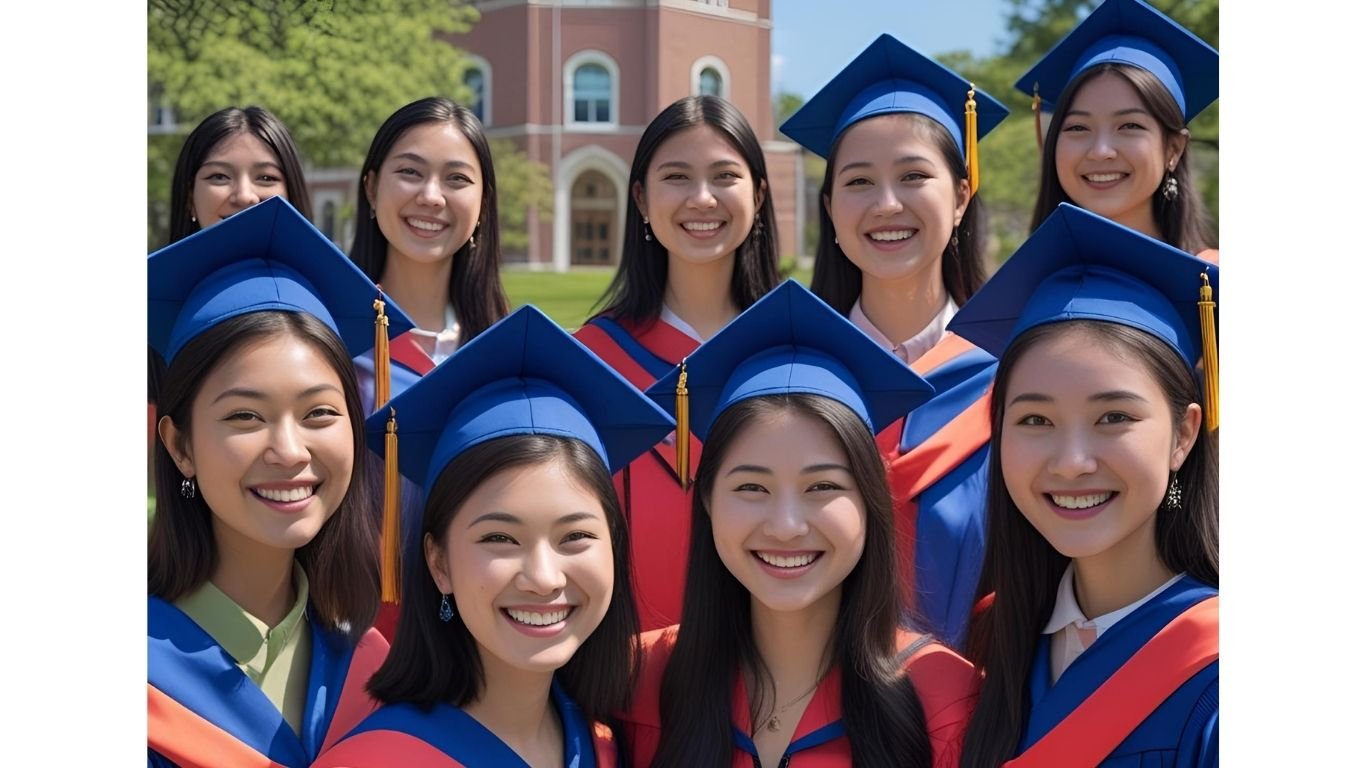
Harvard University MBA Scholarship 2027 in USA (Fully Funded). Apply for fully funded scholarships here. The Harvard University MBA Scholarship 2027 represents one of the most prestigious fully funded scholarship opportunities available to international students seeking world-class business education in the United States. This comprehensive financial aid package provides complete study visa sponsorship, eliminates financial barriers for exceptional candidates, and opens doors to unparalleled career opportunities and potential immigration pathway options after graduation.
Recipients gain access to Harvard Business School’s legendary network, cutting-edge curriculum, and transformative leadership development programs that have produced countless global business leaders and entrepreneurs. The scholarship ensures that talented individuals from all economic backgrounds can pursue their MBA dreams at one of the world’s most selective and influential educational institutions.
UK Government DSIT Fellowship in UK (Funded)
Harvard University MBA Scholarship 2027 Details:
| University: | Harvard University |
| Degree level: | MBA |
| Scholarship coverage: | Fully Funded |
| Eligible nationality: | All Nationalities |
| Award country: | United States |
| Last date: | 31 May 2027 |
| Field | Details |
| Scholarship Name | Harvard University MBA Scholarship 2027 |
| Host Country | United States of America |
| Eligible Nationalities | All international students worldwide |
| Study Level | Master of Business Administration (MBA) |
| Scholarship Type | Fully Funded (need-based and merit-based) |
| Funding Coverage | Full tuition, living expenses, health insurance, books, travel |
| Application Deadline | September 2026 (Round 1), January 2027 (Round 2), April 2027 (Round 3) |
| Official Website Link | www.hbs.edu/mba/financial-aid |
Complete Financial Benefits and Cost Breakdown
Harvard Business School’s financial aid program provides comprehensive support that serves as an excellent education loan alternative for qualified candidates who demonstrate financial need. The school’s commitment to financial aid for international students ensures that admission decisions are made independently of ability to pay, with robust student finance options available to bridge any gaps between family resources and the total cost of attendance. Understanding the complete funding structure helps applicants and their families plan effectively and recognize the true value of this transformative educational investment.
University of Rochester iScholar Scholarship in USA (Funded)
| Benefit | Amount or Details |
| Full Tuition Fee Waiver | Up to $73,440 per year (total $146,880 for two-year program) |
| Monthly Living Stipend | $2,500-$3,500 per month for housing, food, and personal expenses |
| University Accommodation | On-campus housing subsidy or full coverage depending on financial need |
| Annual Return Airfare | International travel allowance for students from distant regions |
| Health and Medical Insurance | Comprehensive health insurance plan ($4,500-$5,000 annually) |
| Research or Book Allowance | $1,500-$2,000 annually for course materials and case studies |
| Visa Fee Reimbursement | F-1 student visa fees and SEVIS fee coverage in financial aid package |
| Family Allowance | Additional support for married students with dependents (case-by-case basis) |
Students who do not receive full funding through need-based scholarships can explore international student loans from specialized lenders partnering with Harvard Business School, education financing from banks offering competitive interest rates for MBA students at top-tier institutions, and partial scholarship combinations that blend merit awards with manageable loan amounts to create affordable pathways to this transformative educational experience without overwhelming debt burdens.
Why You Need an Immigration Consultant or Education Advisor
Working with a qualified immigration consultant or experienced education advisor significantly enhances your chances of successfully navigating both the highly competitive Harvard MBA admission process and the complex F-1 student visa application requirements. Professional immigration lawyers possess specialized expertise in handling visa rejection appeals, conducting thorough document verification to prevent common errors, and developing comprehensive PR pathway planning that aligns your MBA experience with long-term immigration goals in the United States. Many international students hire dedicated student visa consultants to avoid costly mistakes in visa applications that could jeopardize their admission even after receiving acceptance from Harvard Business School.
An established international student recruitment agency provides end-to-end support including university shortlisting across multiple business schools, meticulous application submission assistance, expert essay editing, interview preparation, and comprehensive visa filing guidance that maximizes success probability at every stage. The investment in professional guidance often proves invaluable when competing against thousands of exceptional candidates and navigating intricate U.S. immigration regulations that change frequently and contain numerous technical requirements.
NSP National Scholarship Program in Slovakia (Fully Funded)
Available Study Programs for International Students
While the Harvard MBA Scholarship 2027 specifically supports business administration students, understanding the broader landscape of graduate programs available to international students in the United States provides valuable context for educational planning. American universities offer exceptional programs across virtually every academic discipline, each providing unique career opportunities in robust job markets with competitive compensation structures. International students should evaluate program options based on career goals, industry demand, salary expectations, and immigration prospects when making educational decisions.
Computer Science and Artificial Intelligence
Graduate programs in computer science and artificial intelligence prepare students for leadership roles in the technology industry’s most transformative and rapidly evolving sectors. Starting salaries for master’s graduates in AI and machine learning regularly exceed $120,000 at major technology companies, with senior engineers and technical leaders earning $200,000 to $500,000 including equity compensation. The explosive demand for AI talent creates exceptional job security and abundant opportunities for skilled worker visa sponsorship from employers desperate to retain qualified professionals.
Medicine and Healthcare
Medical education and healthcare management programs produce professionals for America’s expanding healthcare sector, which faces persistent talent shortages across specialties and geographic regions. Physicians complete residency training earning $60,000 to $80,000 before transitioning to attending positions with salaries ranging from $200,000 to $500,000 depending on specialization and location. Healthcare administrators and managers earn $90,000 to $180,000 with strong job growth projected across hospital systems, insurance companies, and healthcare technology firms.
University of Malta Scholarships in Malta (Funded)
Business Administration and MBA
The Harvard MBA represents the pinnacle of business education, preparing graduates for executive leadership, entrepreneurship, consulting, and investment roles across industries worldwide. MBA graduates from Harvard command median starting salaries of $175,000 plus signing bonuses averaging $30,000, with consulting and finance roles often exceeding $200,000 in total first-year compensation. Mid-career Harvard MBA alumni frequently reach senior executive positions earning seven-figure compensation packages while enjoying unparalleled career mobility and entrepreneurial opportunities.
Civil and Mechanical Engineering
Engineering graduate programs develop expertise in infrastructure, sustainable energy, advanced manufacturing, and innovative materials that address critical societal challenges. Master’s level engineers typically start at $75,000 to $95,000 with rapid progression to $120,000 to $180,000 for senior engineers and project managers with specialized expertise. The infrastructure investment boom and clean energy transition create strong demand for engineering talent with clear pathways to permanent residence through employment-based immigration.
Asian Future Leaders Scholarship in Japan (Fully Funded)
Law and International Relations
Legal and international affairs programs prepare graduates for careers in corporate law, international organizations, diplomatic service, policy analysis, and global business consulting. Starting salaries for attorneys at major law firms reach $190,000 to $215,000 in major markets, with partners earning well into seven figures as their careers advance. International relations graduates working in consulting, think tanks, and multinational corporations earn $70,000 to $120,000 in entry-level positions with significant advancement potential.
Environmental Science and Sustainability
Environmental science and sustainability programs address urgent climate challenges while preparing graduates for expanding career opportunities in green technology, environmental consulting, and corporate sustainability roles. Environmental scientists and specialists earn $55,000 to $85,000 starting salaries with senior positions and consulting roles reaching $100,000 to $150,000. The growing emphasis on corporate environmental responsibility and renewable energy creates robust job markets for qualified professionals with scientific and business expertise.
Data Science and Analytics
Data science programs combine statistical analysis, machine learning, and business strategy to produce highly sought-after professionals capable of extracting actionable insights from complex datasets. Entry-level data scientists command $95,000 to $130,000 salaries with rapid progression to $150,000 to $250,000 for senior roles in technology, finance, and consulting sectors. The universal applicability of data science skills across industries provides exceptional job security and diverse career pathways.
Education and Teaching
Graduate education programs develop teaching expertise, educational leadership capabilities, and research skills that improve learning outcomes and educational systems. School administrators and principals earn $85,000 to $125,000 depending on district size and location, while education researchers and policy analysts can earn $70,000 to $110,000. University faculty positions offer $90,000 to $180,000 for assistant through full professor ranks with additional consulting and research income opportunities.
Architecture and Urban Planning
Architecture and urban planning programs prepare graduates to shape sustainable cities, innovative buildings, and livable communities that address urbanization challenges. Licensed architects earn $70,000 to $95,000 starting salaries with senior architects and principals reaching $120,000 to $200,000 as they build reputations and client portfolios. Urban planners and designers working for municipalities, consulting firms, and development companies earn $60,000 to $100,000 with leadership positions commanding higher compensation.
Economics and Finance
Economics and finance programs develop quantitative analysis, financial modeling, and economic forecasting skills essential for careers in banking, investment management, economic consulting, and policy analysis. Finance professionals at investment banks and private equity firms often earn $150,000 to $250,000 in total compensation including bonuses during early career years, with managing directors and partners earning multi-million dollar packages. Economists working in government, research institutions, and consulting firms earn $85,000 to $160,000 with specialized expertise commanding premium compensation.
Top Universities in the United States for International Students
The United States hosts the world’s largest concentration of elite universities that consistently dominate global rankings and attract exceptional international talent. University admission consultants frequently emphasize that professional guidance can help identify the right program fit beyond prestigious names and significantly improve application quality through expert essay editing, strategic recommendation management, and comprehensive interview preparation. Each institution offers unique strengths, campus cultures, and financial aid policies that international students should carefully evaluate when building their application strategies.
Harvard University
Located in Cambridge, Massachusetts, Harvard consistently ranks first or second globally with an overall acceptance rate around 3.4% and international student acceptance even more selective. Annual tuition and fees total approximately $54,000 for graduate programs with total cost of attendance reaching $85,000 to $95,000 including living expenses, though Harvard’s financial aid commitment ensures that all admitted students can afford to attend regardless of family financial circumstances through generous need-based scholarships.
Stanford University
Situated in Stanford, California in the heart of Silicon Valley, Stanford ranks in the global top three with an acceptance rate around 3.7% and particularly strong programs in technology, business, and engineering. Graduate program tuition averages $56,000 annually with living costs in the expensive Bay Area pushing total attendance cost to $90,000 to $100,000, though Stanford provides substantial financial aid and fellowship funding for both domestic and international graduate students based on merit and need.
Massachusetts Institute of Technology (MIT)
Located in Cambridge, Massachusetts adjacent to Harvard, MIT specializes in science, technology, and engineering with consistent top-five global rankings and approximately 9% acceptance rate overall. Graduate tuition runs $57,000 annually with comprehensive financial support through research assistantships, teaching fellowships, and departmental scholarships that frequently provide full funding for PhD students and substantial aid for master’s candidates in high-priority fields.
Yale University
Based in New Haven, Connecticut, Yale ranks consistently in the global top ten with acceptance rates around 4.5% and exceptional programs across humanities, social sciences, law, and management. Graduate and professional school tuition averages $48,000 to $65,000 depending on program with generous need-based financial aid ensuring affordability for admitted students, plus numerous merit scholarships and fellowships supporting exceptional international candidates.
Princeton University
Located in Princeton, New Jersey, this research university emphasizes undergraduate education alongside exceptional graduate programs, ranking in the global top ten with approximately 4% acceptance rate. Graduate tuition costs $56,000 annually though Princeton’s commitment to graduate education means most PhD students receive full funding packages including tuition, stipend, and health insurance, while master’s programs offer competitive but more limited financial aid opportunities.
Columbia University
Situated in New York City, Columbia offers urban campus advantages with access to finance, media, and cultural industries, ranking in the global top 20 with acceptance rates around 4% for undergraduate and varying for graduate programs. Graduate tuition ranges from $50,000 to $75,000 depending on program with financial aid availability varying significantly by school, from generous funding in PhD programs to limited aid in some professional master’s programs.
University of Pennsylvania
Located in Philadelphia, Pennsylvania, UPenn features the prestigious Wharton School of Business alongside strong programs across disciplines, ranking in the global top 15 with competitive acceptance rates around 6% overall. Graduate program costs range from $55,000 to $77,000 annually for tuition alone, with business and law programs at the higher end, though substantial merit scholarships and need-based aid help international students manage costs.
University of California, Berkeley
Based in Berkeley, California near San Francisco, UC Berkeley offers exceptional public university education with top global rankings and approximately 14% acceptance rate making it more accessible than many private peers. In-state tuition provides advantages for California residents while international graduate students pay $44,000 to $52,000 annually, with competitive fellowship opportunities and research assistantships providing funding for many graduate students across departments.
How to Choose the Right Education Consultant for the United States
Selecting a qualified education consultant can dramatically improve your application outcomes by providing expert guidance, strategic positioning, and comprehensive support throughout the complex MBA and visa application processes. Verified registered immigration consultants possess deep knowledge of U.S. visa regulations, university preferences, and scholarship strategies that independent applicants typically lack. Licensed education agencies maintain relationships with admissions offices and can provide insights into what each program values in candidates, sometimes improving consideration through established credibility.
Certified visa consultants stay current with frequently changing immigration policies and can navigate the technical requirements that confuse many applicants. Unfortunately, fake consultants cause thousands of application failures annually by providing outdated advice, submitting generic materials, or even fabricating credentials that permanently damage applicants’ records and reputations.
Professional Credentials and Industry Recognition
Legitimate education consultants serving U.S.-bound students should hold relevant credentials such as membership in the International Association for College Admission Counseling (IACAC), American International Recruitment Council (AIRC) certification, or established track records with verifiable placements at top universities. You can verify membership claims directly through these organizations’ websites and should be wary of consultants who cannot provide documentation of professional affiliations. Attorneys advising on immigration matters must be licensed by state bar associations and appear in good standing on their state’s bar website, which you can check independently before engaging their services.
Transparent Fee Structure and Service Agreements
Reputable education consultants provide detailed written contracts specifying exactly which services are included, what the total cost will be, payment schedules tied to milestones, and clear refund policies before accepting any money. They charge reasonable professional fees typically ranging from $2,000 to $8,000 for comprehensive MBA application support depending on services and number of schools, rather than making unrealistic promises or demanding excessive upfront payments. Be extremely cautious of consultants who guarantee admission to specific schools, as no consultant can legitimately make such promises regardless of their experience, connections, or past success rates.
Documented Success Rates and Verifiable References
Established consultants willingly share detailed success statistics including how many clients they have placed at target schools, what scholarship outcomes their clients achieved, and contact information for previous clients who can speak honestly about their experiences. Request specific information about placements at Harvard Business School or comparable programs over the past three years, including how many applications resulted in interviews, admissions, and scholarship awards. Genuine professionals maintain long-term relationships with satisfied clients who become advocates and readily provide verifiable testimonials rather than generic praise that cannot be confirmed.
Comprehensive Support Beyond Application Submission
Quality education consultants offer support throughout your entire journey including post-admission guidance on visa applications, financial aid negotiation, housing arrangements, and orientation preparation. They maintain contact with students during their programs to provide career planning advice, internship search support, and eventual permanent residence pathway consulting as graduation approaches. This comprehensive long-term approach distinguishes professional consultants invested in your success from transactional services that disappear after collecting fees and submitting applications.
Established University and Embassy Relationships
Experienced consultants have developed relationships with admissions committees through years of sending strong candidates, attending professional conferences, and maintaining ethical practices that build trust with universities. They understand each program’s specific preferences, evaluation criteria, and what distinguishes successful applications from rejected ones based on direct feedback from admissions professionals. Their familiarity with visa application procedures, common interview questions, and documentation requirements at U.S. embassies and consulates worldwide helps students avoid the technical errors that cause visa rejections even after receiving university admission.
Student Visa Requirements for the United States
The F-1 student visa process for international students requires meticulous attention to documentation, financial proof, and interview preparation to overcome the relatively high rejection rates at some U.S. embassies and consulates. Many international applicants successfully use professional student visa consultants to ensure their applications meet all requirements, present compelling cases for temporary intent despite long study periods, and address potential concerns proactively. Understanding each requirement thoroughly and preparing comprehensive documentation significantly improves approval chances and reduces the stress of this critical final step before beginning your Harvard MBA journey.
| Requirement | Details |
| Visa Type and Name | F-1 Student Visa for academic studies at accredited U.S. institutions |
| Proof of University Admission | Form I-20 issued by Harvard University after admission and financial documentation |
| Proof of Financial Funds | Bank statements, scholarship letters, or sponsor affidavits showing ability to cover $85,000-$95,000 annual costs |
| Valid Passport Validity | Passport must be valid for at least 6 months beyond intended period of stay in United States |
| Medical Examination Certificate | Not typically required for F-1 visa but vaccination records needed for university enrollment |
| Language Proficiency Test Score | TOEFL or IELTS scores (Harvard MBA waives for certain applicants) but not required for visa |
| Biometric Enrollment | Fingerprint and photo collection during visa interview appointment |
| Visa Application Fee | $185 non-refundable visa application fee plus $350 SEVIS I-901 fee |
| Average Processing Time | Varies by country from few days to several weeks; apply early during peak season |
| Health Insurance Requirement | Not required for visa approval but mandatory for university enrollment; proof needed at orientation |
International student health insurance is mandatory for enrollment at Harvard and virtually all U.S. universities, though it is not technically required for visa approval itself. Students should carefully compare student insurance plans before arriving, as universities often offer comprehensive coverage through group plans at competitive rates, though some students find private alternatives offering better value or coverage tailored to specific needs such as dental care, mental health services, or prescription medications.
International Student Health Insurance Guide
Health insurance for international students is absolutely mandatory at U.S. universities due to the extremely high cost of medical care in America, where a single emergency room visit can cost thousands of dollars and major procedures can result in bills exceeding $100,000 without insurance coverage. The medical insurance requirement study visa creates confusion as coverage is not technically required for F-1 visa approval but becomes mandatory before university enrollment, meaning students must secure coverage before arriving or immediately upon arrival. Understanding the types of plans available, coverage differences, and cost structures helps students make informed decisions that protect both their health and financial security throughout their MBA programs.
Most universities including Harvard offer university health plans that provide comprehensive coverage designed specifically for student needs, typically costing $3,500 to $5,500 annually for individual coverage with additional costs for spouse and dependent coverage. These plans usually include preventive care, emergency services, hospitalization, prescription drugs, mental health services, and sometimes dental and vision coverage, with networks of providers familiar with student needs and university health services.
Private student insurance from specialized providers like ISO or GeoBlue offers alternative coverage that may cost less or provide more extensive benefits depending on individual circumstances and health needs. Monthly costs for comprehensive private plans typically range from $150 to $450 for individual coverage, translating to $1,800 to $5,400 annually, with deductibles and co-payments varying significantly between plans requiring careful comparison.
Government health coverage programs like Medicare and Medicaid generally do not cover international students on F-1 visas, making private or university insurance the only viable options for most international MBA students. Some countries maintain reciprocal healthcare agreements with the United States, but these typically provide only emergency coverage rather than the comprehensive insurance universities require.
When comparing plans, students should carefully examine coverage limits for major medical events ensuring minimum $100,000 coverage and preferably unlimited lifetime maximums, dental treatment since routine dental care can be expensive and many plans exclude it entirely, mental health services as MBA stress can necessitate counseling support, emergency medical evacuation to home country if catastrophic illness requires specialized treatment unavailable locally, and prescription drug coverage with reasonable co-payments since many medications cost substantially more in America than in other countries.
The best health coverage for students abroad balances comprehensive protection against affordable premiums and reasonable deductibles that fit student budgets. Finding affordable insurance for international students requires comparing multiple options rather than automatically accepting university-sponsored plans without investigation.
Step-by-Step Scholarship and Study Visa Application Process
Successfully securing admission to Harvard Business School with full scholarship funding and obtaining your F-1 student visa requires careful planning across 18 to 24 months, meticulous execution of each application component, and strategic timing of standardized tests, application submissions, and visa appointments. Following a structured approach dramatically increases your success probability while reducing stress and preventing the common mistakes that derail otherwise qualified candidates. Understanding the complete timeline and interdependencies between steps helps you allocate sufficient time and resources to each critical phase of this life-changing journey.
Step 1: Research and Shortlist Scholarships
Begin your MBA journey 18 to 24 months before your intended start date by thoroughly researching Harvard Business School’s financial aid policies, scholarship opportunities, and funding philosophy that prioritizes need-based aid over pure merit awards. Visit the official HBS financial aid website to understand exactly how financial need is calculated, what family contribution expectations look like for different income levels, and what documentation will be required to support your aid application.
Create a comprehensive spreadsheet tracking all scholarship deadlines, required materials, and application procedures not just for Harvard but also for backup schools you will apply to, as pursuing multiple top programs simultaneously maximizes your chances of securing admission with adequate funding. Join online communities including GMAT Club forums and MBA-specific groups where admitted students share detailed application experiences, scholarship outcomes, and advice for strengthening your candidacy.
Step 2: Check Eligibility Criteria Carefully
Review Harvard Business School’s admission requirements multiple times to ensure you meet or can meet all prerequisites before investing significant time and money in your application. Pay particular attention to work experience expectations as HBS strongly prefers candidates with three to six years of post-undergraduate professional experience demonstrating leadership potential and career progression. Verify that your undergraduate degree meets accreditation standards and calculate your GPA equivalency if you studied outside the United States, using credential evaluation services if necessary. Understand the standardized test requirements, noting that while GMAT or GRE scores are required, there is no minimum score cutoff, though competitive applicants typically score 730+ on GMAT or equivalent GRE scores.
Step 3: Prepare All Required Documents
Gather and organize all necessary documents well before application deadlines, including official undergraduate transcripts from all institutions attended, professional resume highlighting leadership achievements and career progression, three to four professional recommendations from supervisors who can speak specifically to your leadership capabilities and potential, detailed employment history with responsibilities and accomplishments, and financial documentation for scholarship applications including tax returns, bank statements, and asset information.
Ensure all documents from non-English speaking countries are professionally translated by certified translators with both original and English versions properly notarized. Create digital scans of everything in high-quality PDF format for upload to the online application portal, while also maintaining physical copies for your records and potential visa interview use.
Step 4: Take GMAT or Required Standardized Test
Register for the GMAT or GRE at least four to six months before your intended application deadline to allow time for preparation and potential retakes if your first score does not reflect your abilities. Consider enrolling in test preparation courses from providers like Manhattan Prep, Kaplan, or Veritas if diagnostic tests show you need significant improvement to reach competitive score levels.
Aim for GMAT scores of 730 or higher to be competitive at Harvard Business School, though exceptional leadership experience and compelling personal narratives can sometimes offset slightly lower test scores. Request official score reports to be sent directly to Harvard Business School and keep copies of your unofficial scores for your records and potential use in scholarship applications.
Step 5: Submit MBA and Scholarship Application Online
Complete the Harvard Business School online application with absolute precision, ensuring every detail matches your supporting documents exactly and thoroughly answering all essay questions that explore your leadership experiences, career goals, and why MBA education at this specific time advances your objectives. Write compelling personal statements that tell your unique story rather than generic narratives that could apply to any applicant, demonstrating self-awareness, intellectual curiosity, and commitment to making positive impact beyond personal success.
Submit your application in Round 1 if possible (typically September deadline) to maximize interview chances and scholarship consideration, as later rounds become increasingly competitive with fewer admission slots and scholarship funds available. Save all confirmation emails and reference numbers as proof of timely submission and for tracking application status through the admissions portal.
Step 6: Receive Interview Invitation and Prepare Thoroughly
If your application advances to the interview stage, you will receive an invitation typically within six to eight weeks of submitting your application, either for an in-person interview at Harvard Business School or with an alumni interviewer in your region. Prepare extensively by reviewing your application materials, practicing responses to common MBA interview questions about leadership experiences, ethical dilemmas, teamwork challenges, and career aspirations, and researching current HBS students’ interview experiences shared online.
Conduct mock interviews with mentors, consultants, or fellow applicants to refine your delivery, body language, and ability to concisely articulate complex ideas under pressure. Prepare thoughtful questions to ask your interviewer about the HBS experience, demonstrating genuine interest and research into the program’s unique features rather than asking questions easily answered by the website.
Step 7: Apply for F-1 Student Visa with Full Documentation
After receiving your admission offer and Form I-20 from Harvard Business School, immediately begin your F-1 student visa application process by completing the DS-160 online application form on the U.S. Department of State website with accurate information matching your passport exactly. Many students benefit from immigration consultant help at this critical stage to ensure their financial documentation, ties to home country, and explanations of study plans present the strongest possible case to consular officers who must be convinced of temporary intent despite two years of study.
Pay the visa application fee and SEVIS I-901 fee online through the designated payment systems, carefully saving all receipt numbers needed for your visa interview appointment. Schedule your visa interview appointment at the nearest U.S. embassy or consulate as early as possible, as appointment availability can be extremely limited during peak seasons from May through August when thousands of students compete for slots.
Step 8: Attend Visa Interview and Present Strong Case
Prepare thoroughly for your visa interview by organizing all required documents including passport, Form I-20, visa application confirmation, financial documents, admission letter, scholarship award letter if applicable, academic transcripts, and proof of ties to home country such as property ownership, family connections, or employment contracts for post-MBA return. Dress professionally and arrive early allowing time for security screening and potential waiting, bringing only necessary documents as most embassies prohibit electronic devices and bags inside interview areas.
Answer all questions honestly, concisely, and confidently while demonstrating clear understanding of your MBA program, career plans, and reasons for returning to your home country after graduation rather than seeking U.S. employment. Remain calm and professional even if questioned intensively about your intentions, as consular officers must evaluate whether you qualify under immigration law provisions requiring temporary intent for student visas.
Step 9: Receive Visa and Finalize Travel Arrangements
Once your visa is approved, verify all details on your visa stamp for accuracy before leaving the embassy, as errors must be corrected immediately through additional administrative processing. Begin immediately arranging student accommodation through Harvard’s housing system which guarantees on-campus housing for first-year MBA students, or explore off-campus options in Cambridge and Boston through specialized relocation services for students that help international arrivals navigate unfamiliar rental markets, lease requirements, and utility connections.
Book your flight to Boston allowing at least one week before orientation programs begin to overcome jet lag, complete immigration processing, set up banking, purchase necessary items, and familiarize yourself with campus and local area. Arrange temporary accommodation for your first few days if your permanent housing is not immediately available, using hotels or short-term rentals near campus.
Step 10: Arrive in USA and Complete University Enrollment
Upon arriving at a U.S. port of entry, present your passport, F-1 visa, Form I-20, financial documentation, and admission letter to Customs and Border Protection officers who will verify your documents, ask about your study plans, and stamp your I-20 with admission date that begins your authorized period of stay. Attend all mandatory orientation sessions for international students that cover immigration regulations, visa compliance, work authorization, travel restrictions, and academic expectations that differ from educational systems in other countries.
Complete enrollment procedures including student ID card collection, course registration, financial aid verification, health insurance enrollment, technology account setup, and other administrative requirements before classes begin. Register with Harvard’s international student office to ensure you receive important updates about visa regulations, work authorization procedures, and compliance requirements throughout your MBA program.
Required Documents Checklist
Thorough document preparation is absolutely critical for both admission and visa applications, as missing or improperly prepared materials are among the most common reasons for application delays, requests for additional information, and outright rejections. Professional education consultants provide invaluable assistance with document attestation and verification, ensuring all certificates, transcripts, and financial statements meet the specific technical requirements of Harvard Business School admissions and U.S. consular officers. Organizing your documents systematically well in advance and creating both certified physical copies and high-quality digital scans will streamline your entire application and visa process.
| Document | Required or Optional | Important Notes |
| Valid Passport | Required | Must have at least 6 months validity beyond intended stay; renew if expiring soon |
| Academic Transcripts | Required | Official transcripts from all universities attended showing all courses and grades |
| Degree Certificates | Required | Bachelor’s degree certificate; advanced degrees if applicable; certified translations needed |
| GMAT or GRE Score Report | Required | Official scores sent directly from testing agency; taken within 5 years |
| Bank Statements | Required | Minimum 3-6 months showing sufficient funds for first year costs; sponsor letters if applicable |
| Scholarship Offer Letter | Required if Awarded | Official letter from HBS detailing scholarship amount and terms for visa financial proof |
| Form I-20 | Required for Visa | Certificate of Eligibility issued by Harvard after admission and financial documentation |
| DS-160 Confirmation | Required for Visa | Online visa application confirmation page with barcode for interview appointment |
| Medical Examination Certificate | Optional for Visa | Vaccination records needed for enrollment; some embassies may request health screening |
| Police Clearance Certificate | Optional | Not typically required but may strengthen visa application showing good character |
| Passport-Size Photographs | Required | Recent photos meeting U.S. visa specifications (2×2 inches, white background) |
| Personal Statement Essays | Required | HBS-specific essays responding to prompts about leadership, goals, and personal background |
| Letters of Recommendation | Required | Typically 2-3 professional recommendations from direct supervisors or senior colleagues |
| Professional Resume/CV | Required | One-page resume highlighting work experience, achievements, and leadership roles |
| Proof of Ties to Home Country | Required for Visa | Property deeds, family documents, employment letters demonstrating intent to return after studies |
How to Send Money and Pay Tuition Fees from Abroad
International students face the important challenge of transferring substantial sums for tuition deposits, semester fees, housing payments, and living expenses from their home countries to the United States efficiently and economically. Understanding how to send money to USA for tuition can save thousands of dollars annually through smart selection of transfer services that offer competitive exchange rates and transparent fee structures rather than the hidden markups that traditional banks typically charge. Choosing the right international wire transfer for students requires comparing not just advertised fees but also actual exchange rates offered, as the rate difference often exceeds explicit transfer fees in total cost impact.
The best exchange rate for student fees typically comes from specialized international money transfer services rather than traditional banks that add 3% to 5% markup to exchange rates plus substantial fixed fees for wire transfers. For students transferring from countries like Pakistan, India, Nigeria, or other developing nations, understanding how to pay university fees from Pakistan or similar countries through optimal channels makes education more affordable and preserves precious scholarship and family funds for living expenses.
Wise money transfer education payments offer exceptional value for large tuition transfers with transparent fees typically ranging from 0.4% to 1% of the transfer amount and guaranteed use of the mid-market exchange rate without hidden markups. A $50,000 tuition payment through Wise might cost $250 to $500 in fees compared to $1,500 to $2,500 through traditional bank wire transfers that add both transfer fees and exchange rate markups, saving $1,000 to $2,000 per transaction. Transfers through Wise typically complete within one to three business days with full tracking and notification when funds arrive in the university account.
Traditional bank wire transfers from most international banks charge fixed fees of $25 to $75 plus receiving bank fees of $10 to $30, while also applying exchange rate markups of 3% to 5% that dramatically increase total costs on large transfers. However, some students prefer banks for the perceived security and established relationship with their financial institution, plus some scholarship and financial aid payments may require bank transfers for documentation purposes.
Specialized education payment platforms like Flywire and PeerTransfer partner directly with thousands of universities including Harvard to offer competitive exchange rates, transparent fees, and simplified payment tracking through dedicated portals. These services typically charge 1% to 2.5% in fees, positioning them between Wise and traditional banks in total cost, but offer advantages like payment plans, loan integration, and direct communication with university billing offices to prevent payment application errors.
Western Union and similar remittance services offer accessibility through thousands of physical locations worldwide, making them convenient for students in areas with limited banking access, but typically charge higher fees of 3% to 6% plus less favorable exchange rates that make them expensive for large tuition transfers, though potentially acceptable for smaller living expense transfers where convenience outweighs cost.
The tuition fee transfer abroad process generally requires the university’s bank details including account name, account number, routing number (ABA number in United States), SWIFT code for international transfers, and specific reference information ensuring payment is credited to the correct student account. Always initiate transfers well before payment deadlines to account for processing time, international banking holidays, and potential delays, typically allowing at least five to seven business days for international transfers to complete. Save all transfer confirmations, reference numbers, and receipts as proof of payment since universities may request documentation before crediting accounts, and these records prove invaluable if payment disputes or missing payment situations arise.
Eligibility Criteria for International Students
Understanding the complete eligibility requirements for Harvard Business School and its scholarship programs ensures you invest time and resources in applications only if you genuinely qualify for this extraordinarily competitive program. Meeting minimum requirements does not guarantee admission, as HBS receives applications from over 9,000 highly qualified candidates annually while admitting only about 900 students, creating an acceptance rate around 10% that makes this among the world’s most selective educational programs.
Nationality and Country of Residence
Harvard Business School welcomes applications from international students of all nationalities worldwide, actively seeking to build diverse cohorts representing 60 to 80 different countries in each MBA class. No countries are explicitly excluded from eligibility, though applicants from countries under U.S. sanctions may face additional visa processing scrutiny and delays beyond Harvard’s control. Students currently residing anywhere can apply regardless of whether they live in their country of citizenship, study in third countries, or work abroad, though visa applications typically process through embassies in countries of legal residence or citizenship.
Minimum Academic Performance Standards
While Harvard Business School does not specify minimum GPA requirements, competitive applicants typically possess strong undergraduate academic records with GPAs of 3.5 or higher on a 4.0 scale or equivalent performance in other grading systems. Students with lower undergraduate GPAs can strengthen applications through exceptional professional achievements, additional graduate coursework demonstrating academic capability, or compelling explanations for earlier academic challenges followed by clear improvement trajectories. Academic performance is evaluated holistically alongside professional accomplishments, leadership potential, and personal qualities rather than using rigid cutoff scores that eliminate candidates.
Standardized Test Score Requirements
All applicants must submit GMAT or GRE scores unless they qualify for rare exceptions based on prior graduate study at highly selective institutions. Competitive GMAT scores typically range from 730 to 760, with middle 80% of admitted students scoring between 700 and 760, though exceptional leadership and professional achievements can sometimes compensate for scores slightly below this range. GRE scores in the 90th percentile or higher across sections generally equate to competitive GMAT scores, with HBS evaluating both tests equally without preference. Test scores remain valid for five years from test date to application deadline, so students who took exams more than five years ago must retake current tests.
Professional Experience Expectations
Harvard Business School strongly prefers candidates with meaningful post-undergraduate work experience, with the average admitted student having four to five years of professional experience at matriculation. While exceptionally accomplished younger candidates occasionally gain admission with two to three years of experience, and career switchers in their 30s and 40s are welcomed, the typical age range at admission is 26 to 29 years old. Work experience should demonstrate progressive responsibility, leadership potential, measurable impact, and clear career trajectory rather than simply accumulating years in the same role.
Financial Capacity or Scholarship Need
All applicants regardless of financial circumstances can apply to Harvard Business School, as admission decisions are made independently of ability to pay through need-blind admission policies for all candidates including international students. Students requiring financial assistance must submit detailed financial information including family income, assets, debts, and special circumstances through HBS’s financial aid application to determine need-based scholarship eligibility. The financial aid office creates customized packages for each admitted student with demonstrated need, ensuring all admitted students can afford to attend regardless of family financial resources.
English Language Proficiency
All applicants must demonstrate English proficiency sufficient for rigorous academic work conducted entirely in English through classroom discussions, case studies, presentations, and written assignments. TOEFL or IELTS scores are required from applicants whose native language is not English and who have not completed undergraduate or graduate degrees taught entirely in English at recognized institutions. Harvard Business School may waive language testing requirements for applicants who meet specific criteria including completion of English-medium degrees or extensive professional work in English-speaking business environments.
No Previous Degree Restrictions
Unlike some scholarship programs that restrict funding to students who have not previously studied abroad or received certain awards, Harvard’s financial aid can support students regardless of previous educational experiences, degrees earned, or scholarships received. Students with prior master’s degrees, professional certifications, or even doctoral training remain fully eligible for both admission and financial aid based solely on current need and merit. This inclusive policy recognizes that diverse educational backgrounds enrich the learning community and that financial circumstances may have changed since previous degrees.
Health and Character Standards
All admitted students must meet basic health requirements including required vaccinations for enrollment, though specific health conditions do not disqualify applicants who can manage their conditions while pursuing rigorous academic programs. Character standards require honest disclosure of any criminal convictions, academic integrity violations, or professional discipline in application materials, with HBS evaluating circumstances individually rather than automatically excluding applicants with past issues. Dishonesty in applications regarding background, achievements, or other information constitutes grounds for immediate rejection or admission rescission if discovered after enrollment.
Official Scholarship and Visa Application Websites
Using only official websites and verified sources protects you from fraudulent schemes that proliferate around prestigious programs like Harvard MBA, targeting ambitious students with fake scholarship offers, fraudulent admission services, and counterfeit visa assistance. Always verify website authenticity by carefully checking URLs for proper domains, secure https connections, and official institutional branding before entering personal information or making any payments.
Embassy Application Process and Visa Verification
The U.S. embassy visa application process requires careful navigation of bureaucratic procedures that vary slightly by country while following standard protocols established by the Department of State. Understanding exactly what happens at each stage reduces anxiety and ensures you respond appropriately to requests for additional information or clarification about your study plans. Professional immigration lawyers and experienced visa consultants can represent students or provide preparation coaching if initial visa applications are refused, though most students with legitimate admission and adequate financial proof receive approval on first application.
Locate your nearest U.S. embassy or consulate through the official U.S. Department of State website at usembassy.gov, which provides country-specific information about visa services, appointment scheduling procedures, required documents, and local processing times that vary significantly between locations. Some embassies process F-1 visas within days while others require weeks or months during peak season, making early application critical.
Create your DS-160 online visa application through the official Consular Electronic Application Center, carefully completing all sections with information that matches your passport and Form I-20 exactly, as discrepancies trigger additional scrutiny and delays. The form asks detailed questions about your educational background, work history, family members, travel history, and study plans that must be answered honestly and completely. Save your application frequently as sessions time out, and print the confirmation page with barcode that you will bring to your visa interview.
Pay the visa application fee of $185 through country-specific payment systems designated by each embassy, which may include online payment, bank deposits, or payment at designated locations depending on local procedures. Also pay the SEVIS I-901 fee of $350 through the official fmjfee.com website, printing the payment receipt that must be presented at your visa interview. Keep all payment confirmations as you will need reference numbers for appointment scheduling and interview attendance.
Upload required documents through embassy-specific portals if applicable, or prepare to bring physical documents to your interview as requirements vary by location. Standard documents include passport valid for at least six months beyond your intended stay, Form I-20 signed by you and the designated school official, DS-160 confirmation page with barcode and photo, visa and SEVIS fee payment receipts, photograph meeting U.S. visa specifications, financial documents proving ability to cover all costs, and evidence of ties to home country demonstrating intent to return after studies.
Book your visa interview appointment through the embassy’s designated scheduling system as soon as possible after receiving your Form I-20, as appointment availability during peak student visa season from May through August can be extremely limited with wait times extending weeks or months at busy posts. Priority or expedited appointment services may be available for additional fees at some locations if you face urgent travel needs, though these should be avoided through early planning.
Attend your interview prepared to answer questions about your study plans, career goals, funding sources, and reasons for choosing Harvard MBA specifically, demonstrating clear understanding of your program and genuine temporary intent despite the two-year study period. Dress professionally, arrive early allowing time for security screening, and bring all required documents organized for easy reference. Answer questions honestly and concisely without volunteering excessive information or appearing evasive, as consular officers are trained to detect dishonesty and make quick credibility assessments.
Track your application status through embassy-specific systems using your passport number and DS-160 confirmation number, though updates may be infrequent during processing. Most F-1 visa decisions are made immediately during or shortly after interviews, with approved applicants receiving instructions for passport return with visa stamp, typically within three to seven days. If additional administrative processing is required, timelines can extend significantly and are largely outside applicant control.
Receive and verify your visa stamp carefully checking all details including name spelling, passport number, visa class (should be F-1), number of entries (typically multiple), and validity dates before leaving the passport collection location. Errors must be reported immediately for correction through additional processing. You can verify visa authenticity by examining security features including holograms, UV-reactive elements, and machine-readable zones, though sophisticated counterfeits are rare for U.S. visas due to advanced security features.
Common Visa and Scholarship Mistakes That Get Applications Rejected
Understanding the most frequent errors that derail otherwise qualified applications helps you avoid these pitfalls and dramatically improves your success probability across both admission and visa processes. Experienced immigration consultants encounter these same mistakes repeatedly among unsuccessful applicants, demonstrating that awareness and attention to detail can prevent most failures that devastate unprepared candidates.
Submitting Incomplete or Inconsistent Documentation
Incomplete applications missing required transcripts, recommendations, essays, or financial documents result in automatic rejection or requests for additional materials that delay consideration and disadvantage applicants competing for limited scholarship funds distributed on rolling basis. Inconsistencies between different documents such as employment dates that do not match between resume and recommendation letters, or financial information that contradicts between application forms and bank statements, trigger suspicion and intensive scrutiny. Every document must be complete, properly formatted, and internally consistent with all other materials to present a cohesive and credible application package that evaluates smoothly without raising red flags.
Using Unverified or Fraudulent Consultants
Thousands of students fall victim to unqualified consultants who promise guaranteed Harvard admission or visa approval through special connections that do not exist, then deliver generic application materials that get rejected or submit fraudulent documents that permanently damage immigration records. These fake agents often disappear after collecting substantial fees, leaving students with rejected applications, wasted time, and missed deadlines for other opportunities. Always verify consultant credentials through professional organizations, check references with previous clients, and never allow consultants to submit applications without your direct review and approval of all materials.
Applying Under Wrong Visa Category
Some students mistakenly apply for B-1/B-2 visitor visas intending to attend short programs then try to change status to F-1 after arrival, which violates visa regulations and can result in status violations requiring departure from United States. Others confuse F-1 student visas with J-1 exchange visitor visas that have different requirements, work authorization rules, and tax implications. Always apply for F-1 student visa when your primary purpose is full-time academic study at a SEVP-certified institution like Harvard Business School, ensuring you receive the correct visa class with appropriate work authorization and stay duration.
Insufficient or Suspicious Financial Documentation
Financial requirement failures occur when bank statements show exactly the minimum required amount suggesting funds were borrowed temporarily for documentation, when large deposits appear immediately before application without clear source documentation, or when financial documents appear altered or contain inconsistencies. Consular officers are trained to identify fraudulent financial documents and will refuse visas when they suspect students cannot genuinely afford education costs without working illegally. Financial documentation must show stable, verifiable resources held for reasonable periods with clear source explanations for large deposits or transfers that might raise questions.
Generic or Plagiarized Application Essays
Personal statements and essays copied from internet examples, written by consultants rather than applicants themselves, or using generic language that could apply to any business school get immediately recognized by experienced admissions readers who review thousands of applications. Harvard specifically seeks authentic voices, genuine self-reflection, specific examples demonstrating claimed qualities, and clear evidence of research into why HBS specifically fits the applicant’s goals. Essays must be personally crafted, program-specific, and demonstrate deep understanding of what makes Harvard Business School’s case method pedagogy, learning culture, and community distinctive from other top MBA programs.
Missing Critical Application Deadlines
Late applications are rejected regardless of candidate qualifications, as maintaining deadline integrity ensures fairness to all applicants who submit timely materials. Technical problems, last-minute recommendation delays, payment processing issues, and time zone confusion frequently cause students to miss deadlines they thought they could meet. Submit all application components at least 48 to 72 hours before stated deadlines to account for website issues, file upload problems, payment processing delays, and other technical difficulties that could otherwise cause devastating last-minute failures after months of preparation.
Failure to Verify Test Score Reporting
Some students assume that self-reported GMAT or GRE scores on applications are sufficient without requesting official score reports sent directly from testing agencies to Harvard Business School. Others request score sends to wrong school codes or department codes, with scores never reaching admission offices. Always request official scores be sent to correct institution codes when you register for tests or immediately after receiving satisfactory scores, allowing several weeks for delivery and following up to confirm receipt through application portals before deadlines.
Ignoring Health Insurance and Immigration Compliance
Failing to maintain adequate health insurance after enrollment can result in administrative holds preventing course registration, while immigration compliance violations like unauthorized employment or failing to maintain full-time enrollment can jeopardize visa status. Students must understand F-1 visa requirements including restrictions on off-campus employment, reporting requirements for address changes and program modifications, travel signature requirements for re-entry, and work authorization procedures for internships. Ignorance of regulations does not excuse violations that can result in status termination, removal from United States, and permanent bars to future visa issuance affecting career and immigration goals.
Post-Study Work Visa and Salary Expectations in the United States
The United States provides excellent post-study work opportunities through Optional Practical Training (OPT) that allows F-1 students to work in their field of study for 12 months after graduation, with STEM degree holders eligible for 24-month extensions totaling 36 months of work authorization. This work permit after study provides valuable time to gain American professional experience, build networks that can lead to H-1B visa sponsorship, and earn competitive salaries while potentially transitioning to skilled worker visa categories or employment-based permanent residence pathways.
Understanding realistic salary expectations across different industries and roles helps MBA graduates negotiate effectively and make informed career decisions that balance compensation, learning opportunities, and long-term immigration prospects.
Management Consultant
MBA graduates entering management consulting at firms like McKinsey, BCG, or Bain typically receive starting total compensation packages of $175,000 to $215,000 including base salary of $150,000 to $165,000, performance bonuses of $20,000 to $35,000, and signing bonuses around $25,000 to $30,000. Mid-career consultants who achieve partner or principal level after seven to twelve years earn $400,000 to over $1,000,000 annually including profit-sharing and bonuses. Consulting firms actively sponsor H-1B visas for international MBAs and provide immigration support throughout the permanent residence application process, making this field particularly favorable for students seeking long-term U.S. careers.
Investment Banking Associate
Finance graduates joining investment banks as associates typically earn first-year total compensation of $180,000 to $250,000 including base salaries of $150,000 to $175,000 plus year-end bonuses that can equal or exceed base pay depending on individual and firm performance. Vice president level positions reached after three to five years as associate offer $300,000 to $500,000 in total compensation, while managing directors earn well into seven figures. Major banks regularly sponsor work visas for talented international MBAs and maintain dedicated immigration teams to support green card applications, though the intense work hours and competitive culture require realistic assessment of personal priorities and work-life balance preferences.
Technology Product Manager
MBA graduates entering product management roles at technology companies like Google, Meta, Amazon, or Microsoft receive total compensation packages of $160,000 to $220,000 including base salary of $130,000 to $160,000, equity grants with multi-year vesting schedules, and performance bonuses. Senior product managers with five to eight years of experience earn $250,000 to $400,000 or more in total compensation as equity appreciation can dramatically increase actual earnings. Technology companies are among the most active H-1B visa sponsors and support green card applications, making tech industry MBA careers particularly attractive for international students seeking immigration pathways alongside lucrative compensation.
Corporate Strategy Manager
MBAs joining corporate strategy groups at Fortune 500 companies typically start at $120,000 to $160,000 in base salary with 10% to 20% target bonuses, lower than consulting or finance but often offering better work-life balance and clearer promotion paths. Strategy directors and vice presidents with ten to fifteen years of experience earn $200,000 to $350,000 in total compensation including equity grants at public companies. Large corporations frequently sponsor work visas and green cards for international talent in strategic roles, particularly those with specialized industry expertise or technical backgrounds complementing their MBAs.
Private Equity Associate
MBA graduates entering private equity funds typically earn $150,000 to $200,000 in base salary plus performance bonuses and carry (profit sharing) that can dramatically increase total compensation to $250,000 to $400,000 in good performance years. Senior associates and vice presidents after three to six years can earn $400,000 to $800,000 or more as carry participation increases with seniority. Private equity firms selectively sponsor work visas for exceptional international MBAs who can demonstrate unique value, though smaller funds may be less experienced with immigration processes than large consulting firms or banks.
Healthcare Administrator or Executive
MBAs entering healthcare management at hospital systems, insurance companies, or pharmaceutical firms typically earn $110,000 to $150,000 starting salaries with relatively modest bonuses compared to finance or consulting. Healthcare executives reach $200,000 to $400,000 or more in total compensation after developing specialized expertise and assuming senior leadership roles over ten to fifteen year career progressions. The healthcare sector faces persistent management talent shortages and actively recruits MBAs, with larger organizations regularly sponsoring work visas and providing immigration support, while offering meaningful work addressing critical societal needs for candidates prioritizing mission alongside compensation.
Entrepreneur or Startup Founder
MBA graduates founding their own ventures or joining early-stage startups face highly variable compensation ranging from minimal salary while bootstrapping to competitive packages at well-funded startups, with long-term wealth potential through equity ownership if ventures succeed. Entrepreneurship provides unlimited upside potential as successful founders of acquired companies or IPO firms can achieve life-changing wealth, though statistical majority of startups fail requiring realistic assessment of risk tolerance and backup career options.
International students pursuing entrepreneurship face visa challenges as F-1 OPT requires employment relationships and self-employment raises questions, though various visa options exist for entrepreneurs including O-1 visas for extraordinary ability or E-2 treaty investor visas for citizens of certain countries making substantial investments in U.S. businesses.
Permanent Residence Pathways After Studying in the United States
International students who wish to remain in the United States permanently after completing their Harvard MBA have several immigration pathways available, though all require careful planning, employer support in most cases, and patience through multi-year processes with uncertain outcomes. Understanding these permanent residence application options helps students make strategic career decisions from the beginning of their MBA programs that maximize immigration success probability.
Consulting an immigration lawyer USA or registered immigration consultant early in your career search ensures you meet all requirements for your chosen pathway and avoid mistakes that could jeopardize your PR after study applications in this complex and constantly evolving immigration system.
Optional Practical Training (OPT) Foundation for Longer-Term Status
The F-1 Optional Practical Training program provides the critical bridge from student status to work authorization, allowing 12 months of full-time employment in your MBA field of study with possibility to start working up to 90 days before graduation. MBA graduates can use their OPT period to gain U.S. work experience, prove value to employers who might sponsor subsequent work visas, and establish the employment relationships necessary for permanent residence applications.
Students must apply for OPT through their university’s designated school official before graduation, receiving Employment Authorization Documents (EADs) from USCIS that permit legal employment, and must find jobs within 90 days of graduation to maintain valid status. While OPT itself is temporary, it serves as the foundation for transitioning to H-1B work visas or directly to employment-based green card sponsorship for exceptional candidates.
STEM OPT Extension for Technical MBA Concentrations
MBA students who concentrated in STEM-designated fields like business analytics, finance with quantitative focus, or technology management may qualify for 24-month STEM OPT extensions beyond the standard 12-month OPT period, providing total 36 months of work authorization. This extended period dramatically increases chances of securing H-1B visa sponsorship through the annual lottery system by allowing up to three attempts, and provides employers with extended evaluation periods before committing to green card sponsorship.
Students must verify that their specific MBA program and concentration hold STEM designation through the Department of Homeland Security’s official STEM Designated Degree Program List, as not all MBA programs qualify despite business schools’ attempts to obtain STEM designation for competitive advantage in recruiting international students.
H-1B Specialty Occupation Work Visa Sponsorship
The H-1B visa represents the most common pathway from F-1 student status to longer-term work authorization, allowing up to six years of employment in specialty occupations requiring bachelor’s or higher degrees in specific fields. MBA graduates must find employers willing to sponsor H-1B petitions, which involves substantial legal fees of $5,000 to $15,000, regulatory compliance obligations, and no guarantee of approval due to the annual lottery system that selects 85,000 visas from over 400,000 applications typically received.
The skilled worker visa requirements for H-1B include job offers in positions directly utilizing MBA education, prevailing wage payment requirements ensuring international workers receive fair compensation, and employer attestations that hiring will not adversely affect U.S. workers. Students should target larger employers with established immigration programs and track records of H-1B sponsorship, particularly consulting firms, financial institutions, and technology companies that regularly sponsor hundreds of H-1B workers annually and understand the complex process thoroughly.
EB-2 Advanced Degree Employment-Based Green Card
The EB-2 employment-based second preference category provides permanent residence for professionals holding advanced degrees including MBAs who can demonstrate that U.S. employers need their services and that no qualified U.S. workers are available for their positions. The process requires employer sponsorship through labor certification proving recruitment efforts failed to identify qualified American candidates, followed by immigrant petition approval and visa number availability before green card issuance.
Processing timelines vary dramatically by country of birth due to per-country limitations, with applicants from India and China facing decades-long waits while candidates from most other countries receive green cards within two to four years after beginning the process. Consulting an immigration attorney experienced in employment-based cases is strongly recommended as the multi-step process involves complex regulations, strict documentation requirements, and severe consequences for errors including job changes during processing that can invalidate applications.
EB-3 Employment-Based Green Card for MBA Professionals
The EB-3 employment-based third preference category serves as an alternative to EB-2 for international workers with bachelor’s degrees or MBA graduates whose positions do not require advanced degrees under Department of Labor definitions. While EB-3 has slightly longer wait times for visa number availability than EB-2 for some countries, the labor certification requirements may be less stringent as employers can require only bachelor’s degrees rather than advanced degrees.
The process follows similar steps to EB-2 including labor certification, immigrant petition, and green card processing, with total timelines from beginning to green card receipt ranging from three to six years for most countries or much longer for India and China. EB-3 applications provide backup options for MBA graduates whose employers encounter difficulty proving positions require advanced degrees, or whose EB-2 applications face unexpected complications or denials that can be addressed through alternative EB-3 filings.
EB-1 Extraordinary Ability Green Card for Exceptional Achievers
The EB-1 employment-based first preference category offers faster processing and no labor certification requirement for individuals who can demonstrate extraordinary ability in business, sciences, arts, education, or athletics through sustained national or international acclaim. MBA graduates who have achieved exceptional recognition through major awards, published research, executive leadership of distinguished organizations, or other evidence of extraordinary achievement may qualify for EB-1A self-petitions not requiring employer sponsorship.
Alternatively, EB-1B outstanding researcher or professor category serves academics and researchers with international recognition, while EB-1C multinational manager or executive category benefits international MBAs who work for multinational companies and can transfer to U.S. operations in executive or managerial roles. EB-1 cases require substantial documentation proving extraordinary ability and usually benefit from expert legal representation, but successful applicants receive green cards within one to two years compared to the much longer waits in EB-2 and EB-3 categories.
National Interest Waiver for Exceptional MBA Entrepreneurs
The National Interest Waiver under EB-2 category allows certain professionals to obtain green cards without labor certification if they can demonstrate that their work benefits U.S. national interests and that waiving the job offer requirement serves American interests. MBA entrepreneurs building companies in critical industries like healthcare, clean energy, or advanced technology may qualify by showing that their ventures create jobs, advance important U.S. interests, and that they are well-positioned to advance their proposed endeavors.
NIW petitions allow self-sponsorship without employer involvement and provide immigration pathway flexibility for entrepreneurs who cannot meet traditional employer sponsorship requirements, though success requires compelling evidence of exceptional ability and national interest impact best presented with experienced immigration attorney assistance.
Regardless of which pathway you pursue, consulting a registered immigration consultant or immigration attorney USA specializing in employment-based immigration early in your job search provides strategic guidance on which employers offer best green card sponsorship prospects, how to structure job negotiations to include immigration support, and what documentation to begin collecting immediately to support future applications.
The express entry points calculator concept from Canadian immigration does not directly apply to U.S. employment-based immigration, which operates through employer sponsorship rather than points-based selection, making early planning and employer selection critical to permanent residence success for international MBA graduates.
Benefits of Studying in the United States for International Students
The United States offers unmatched advantages for international students beyond educational quality, creating a comprehensive ecosystem supporting academic excellence, career development, innovation, and potential long-term immigration success. Understanding these multifaceted benefits helps students appreciate the complete value proposition of investing in American graduate education and the transformative opportunities that MBA programs at institutions like Harvard Business School uniquely provide.
World-Class Education and Universal Degree Recognition
American universities dominate global rankings with the United States hosting more top-100 universities than any other country, and institutions like Harvard representing the absolute pinnacle of educational excellence recognized worldwide. The Harvard MBA credential opens doors in virtually every country and industry globally, with alumni network spanning tens of thousands of successful leaders in business, government, nonprofit, and entrepreneurial ventures.
The case method pedagogy pioneered at Harvard develops critical thinking, decision-making under uncertainty, and communication skills through intensive discussion of real business situations, producing graduates exceptionally well-prepared for leadership challenges. This world-class education combined with global degree recognition creates career opportunities unavailable to graduates of lesser-known institutions, providing lifelong return on educational investment.
Pathways to Permanent Residence and Immigration Options
While U.S. immigration pathways are complex and success is not guaranteed, the robust employment market and established immigration system create realistic opportunities for talented international graduates to transition from student status to permanent residence through employment-based sponsorship. The OPT program provides one to three years of work authorization allowing students to gain experience and prove value to employers before requiring visa sponsorship.
Major employers across consulting, finance, technology, and other industries regularly sponsor H-1B visas and employment-based green cards for international talent, recognizing global diversity as competitive advantage. Though the process requires patience and strategic planning, thousands of international students successfully navigate from F-1 student status to green card receipt annually, ultimately obtaining U.S. citizenship and building permanent lives in America.
Optional Practical Training Work Authorization
The F-1 Optional Practical Training benefit provides recent MBA graduates with 12 to 36 months of full-time work authorization without requiring employer sponsorship or lottery selection, offering guaranteed opportunities to gain American professional experience. This post-study work permit differentiates the United States from countries with more restrictive work authorization policies requiring immediate employer sponsorship or offering shorter work periods.
During OPT, international graduates earn competitive U.S. salaries, build professional networks, develop industry expertise, and demonstrate value to employers who may sponsor longer-term work visas. The extended STEM OPT period particularly benefits analytically-focused MBAs who can access three full years of work authorization providing multiple H-1B lottery attempts and extended employer evaluation periods before green card sponsorship commitments.
Dynamic and Opportunity-Rich Living Environment
American cities offer unparalleled diversity, cultural vibrancy, entrepreneurial energy, and professional opportunities within safe, well-governed environments where merit and innovation are valued above social class or family connections. International students find welcoming communities of fellow global citizens, extensive support services designed for international populations, and social integration opportunities through professional associations, religious organizations, hobby groups, and volunteer activities.
While the United States faces social and political challenges, it remains among the world’s safest and most opportunity-rich destinations for ambitious international students seeking to build successful careers through talent and hard work rather than connections and privilege.
Access to Exceptional Scholarship and Financial Aid
American universities including Harvard invest billions annually in financial aid ensuring that talented students can attend regardless of family financial circumstances, with need-blind admission policies separating selection decisions from ability to pay. The availability of fully funded scholarship opportunities through need-based aid, merit awards, and specialized fellowship programs makes U.S. education accessible to students from all economic backgrounds, not just wealthy families.
This commitment to socioeconomic diversity enriches learning communities while expanding educational access to deserving students worldwide, creating opportunities for social mobility impossible in countries where higher education access correlates directly with family wealth.
Robust Job Market with Globally Competitive Salaries
The United States maintains the world’s largest and most dynamic economy with diverse industries offering abundant opportunities across sectors from traditional manufacturing and agriculture through cutting-edge technology, finance, healthcare, and professional services. MBA graduates command significantly higher salaries in America than in most other countries, with median starting compensation exceeding $150,000 for top programs compared to equivalent £40,000 to £60,000 in UK or €50,000 to €70,000 in continental Europe.
This substantial compensation differential quickly justifies educational investment while enabling international graduates to support families, build savings, and achieve financial security faster than possible in home countries with more limited economic opportunities and lower salary scales.
Comprehensive Healthcare Access Through Employment
While the United States lacks universal healthcare systems found in many developed countries, most professional employers provide comprehensive health insurance as standard employment benefit covering employees and dependents at minimal or no direct cost. MBA graduates working in consulting, finance, technology, and other professional fields typically receive excellent health coverage through employer-sponsored plans that provide access to world-class medical facilities, cutting-edge treatments, and specialized care.
International students must maintain health insurance during their studies as mentioned earlier, but this requirement continues through OPT and H-1B employment when employers assume insurance costs, providing quality healthcare throughout educational and professional journeys.
Professional Immigration and Career Support Infrastructure
The United States hosts sophisticated infrastructure supporting international students including university international student offices, specialized immigration law firms focusing on student and employment visas, education consultants with deep expertise in admissions processes, and professional career services at top business schools providing recruiting support. Best immigration law firm practices ensure graduates receive expert guidance navigating complex visa transitions and green card applications, while university admission consultant services help prospective students identify appropriate programs and strengthen applications.
This comprehensive professional support system, combined with large international student populations creating peer communities who understand unique challenges, helps international students and graduates successfully navigate academic, professional, and immigration journeys that would be overwhelming without expert assistance and peer support networks.
Conclusion
The Harvard University MBA Scholarship 2027 represents an extraordinary opportunity for talented international students to pursue world-class business education with comprehensive financial support that eliminates economic barriers to attendance. This fully funded scholarship combined with Harvard’s need-blind admission policy ensures that the most qualified candidates gain access to transformative education regardless of family financial circumstances, while the F-1 visa provides clear study visa sponsorship pathway for international students worldwide. Recipients benefit not only from exceptional academic training and the legendary Harvard network, but also from post-graduation work authorizati
on through OPT and potential PR pathway options that allow building long-term careers in the United States. Students considering this opportunity should consult a registered immigration consultant or certified education advisor before beginning applications to ensure their materials present the strongest possible case and comply with all technical requirements that distinguish successful from rejected applications.
Combining a fully funded scholarship opportunity with proper study visa sponsorship preparation and strategic long-term planning creates optimal foundation for success in this highly competitive process and eventual achievement of your professional and immigration goals in the United States. The investment of time and effort required to pursue Harvard MBA admission with scholarship funding will yield transformative returns throughout your career and life, making this ambitious goal worthy of your absolute best effort and dedication.
CATEGORIES: USA Scholarships, MBA Programs, Student Visa Guide
INTERNAL LINKING SUGGESTIONS:
1. “Stanford MBA Scholarship 2027: Complete Application Guide for International Students”
2. “F-1 to Green Card: Complete Immigration Pathway Guide for International MBA Graduates in USA”
3. “Top 10 Immigration Lawyers in USA for International Student Visa and H-1B Applications”
4. “OPT and STEM OPT Extension Guide: Maximizing Work Authorization After MBA in USA”
5. “How to Get Permanent Residence in USA After Studying: EB-2 and EB-3 Green Card Process for International Graduates”
Official Link
Official Scholarship and Visa Application Websites
Using only official websites and verified sources protects you from fraudulent schemes that proliferate around prestigious programs like Harvard MBA, targeting ambitious students with fake scholarship offers, fraudulent admission services, and counterfeit visa assistance. Always verify website authenticity by carefully checking URLs for proper domains, secure https connections, and official institutional branding before entering personal information or making any payments.
| Resource Name | Official URL | Purpose |
| Harvard Business School MBA | www.hbs.edu/mba | Official MBA program information and application portal |
| HBS Financial Aid Office | www.hbs.edu/mba/financial-aid | Comprehensive financial aid information and scholarship details |
| U.S. Department of State Visa | travel.state.gov/content/travel/en/us-visas/study.html | Official F-1 student visa information and application procedures |
| SEVIS Fee Payment System | www.fmjfee.com | Official system for paying I-901 SEVIS fee required before visa interview |
| GMAT Official Registration | www.mba.com | Official GMAT exam registration, preparation materials, and score reporting |
| GRE Official Registration | www.ets.org/gre | Official GRE exam information, registration, and score services |
| U.S. Embassy Finder | www.usembassy.gov | Locate U.S. embassy or consulate for visa interviews and services |
| EducationUSA Advising Centers | educationusa.state.gov | Free advising services at centers worldwide for U.S. study information |
Stay Connected!
Never miss a scholarship deadline! Join our channels for daily fully-funded opportunities & instant alerts.